When it comes to Hindu festivals in Nepal, dates are rarely governed by the civil calendar alone. Instead, Nepal’s sacred observances follow the intricate rhythm of the Hindu lunar calendar, where tithi calculations, astronomy, and ritual timing remain deeply intertwined.
This year, a common question has surfaced across the country:
Why is Maha Shivaratri in 2082 BS (2026 AD) observed on Trayodashi rather than Chaturdashi in Nepal?
The answer lies not in a change of tradition, but in the precise timing of midnight worship known as Nishita Kaal.

What Is Maha Shivaratri? The Great Night of Lord Shiva
Maha Shivaratri, meaning the Great Night of Shiva, is one of the most spiritually significant festivals in the Hindu calendar. Observed across Nepal and the wider Hindu world, the night is dedicated to Lord Shiva revered as the cosmic force of destruction and renewal, the ascetic yogi, and the guardian of transformation.
Unlike many Hindu festivals marked by colour and celebration, Maha Shivaratri carries a more contemplative spirit. Devotees spend the night in:
The festival symbolises a convergence of darkness and awakening; a reminder that spiritual clarity can emerge from stillness and inner reflection.
In Nepal, Maha Shivaratri holds particular resonance, as Lord Shiva is regarded as the presiding deity of Pashupatinath Temple, making the observance not only a religious occasion but a profound cultural gathering woven into the nation’s identity.
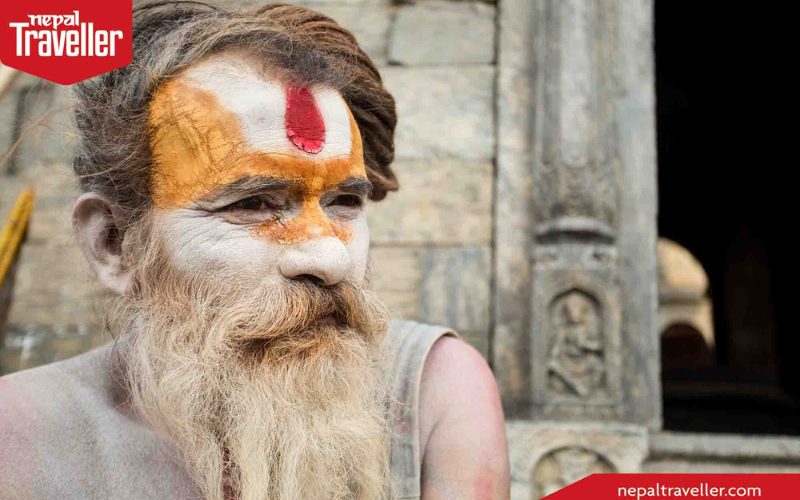
The Rule: Chaturdashi Must Prevail During Nishita Kaal
Traditionally, Maha Shivaratri is observed on Krishna Paksha Chaturdashi, the fourteenth lunar day of the waning moon in the month of Falgun. However, the festival is not fixed simply by which tithi appears on a calendar date. The defining requirement is, Chaturdashi must prevail during Nishita Kaal: the sacred midnight period considered the most auspicious time for the worship of Lord Shiva.
Why Shivaratri Can Fall on Trayodashi in Nepal
Unlike the modern day, a tithi does not run from sunrise to sunrise. Instead, it begins and ends according to the angular distance between the Sun and Moon. This means a lunar day can start or conclude at any hour in the morning, afternoon, or late at night. If Chaturdashi does not sufficiently overlap with Nishita Kaal on the expected civil date, the observance shifts to the night when it does, even if that evening is popularly referred to as Trayodashi by calendar reckoning. This is precisely the calendrical situation for Maha Shivaratri 2082 BS (2026 AD) in Nepal.
The guiding principle remains unchanged: Maha Shivaratri is observed on the night when Chaturdashi prevails at midnight.

From Magh Purnima to Shivaratri: The Lunar Progression
In the broader lunar sequence, Maha Shivaratri arrives after the full moon of Magh (Magh Purnima), as the waning phase of the moon begins. From this point, the Krishna Paksha tithis progress steadily through the lunar fortnight, culminating in Chaturdashi: the sacred dark night associated with Shivaratri. This gradual descent into diminishing moonlight carries symbolic meaning, representing inward reflection, spiritual stillness, and awakening beyond outer light. In some years like this year, intermediate tithis such as Ashtami may extend across two civil dates due to the Moon’s variable motion, reflecting the fluid nature of the Hindu lunar calendar.
Maha Shivaratri at Pashupatinath Temple, Kathmandu
On Maha Shivaratri, Pashupatinath Temple becomes Nepal’s spiritual epicentre. Hundreds of thousands of devotees, pilgrims, and ascetics gather along the Bagmati River for:
The temple remains open throughout the night, with worship reaching its peak during Nishita Kaal: the very midnight window that determines the festival’s timing.

The Essence of Shivaratri
Whether the civil calendar labels the night as Trayodashi or Chaturdashi, the essence of Maha Shivaratri remains constant. It is a night of devotion, austerity, and cosmic balance: honouring Lord Shiva as the force of transformation and renewal.
And in understanding why the date shifts, we glimpse something deeper: Nepal’s lunar traditions remain a living blend of astronomy and spirituality, where time itself is sacred.
Friday Facts FAQ: Maha Shivaratri 2082 BS in Nepal
Is Maha Shivaratri really on Trayodashi in 2082 BS?
By civil date, the festival night may coincide with Trayodashi, but the observance is determined by Chaturdashi’s presence during Nishita Kaal.
Why is midnight so important for Shivaratri?
Nishita Kaal is considered the most spiritually potent period for Shiva worship, symbolising the still point between darkness and awakening.
Does the Shivaratri date change often?
Yes. Because tithis shift according to lunar motion, Shivaratri can occasionally fall on different civil dates depending on midnight overlap.
For travellers and cultural observers, Shivaratri at Pashupatinath is among the most powerful spiritual experiences in Nepal.
PC: Wikimedia Commons, Nepal Traveller, WordPress.org
Also Read