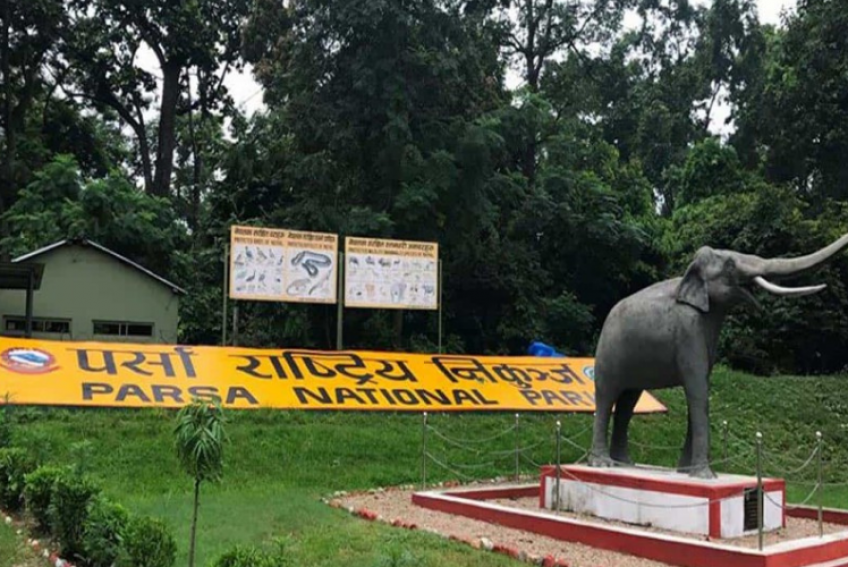
Parsa National Park is one of Nepal’s most significant protected areas, located in the south-central Terai across Parsa, Bara and Makwanpur districts. It spans 627.39 sq.km of core protected land with an additional 285.3 sq.km buffer zone and lies partly in Madhesh Province and Bagmati Province. Initially established as a wildlife reserve in 1984, it was expanded and redesignated as a national park in 2017 to strengthen conservation outcomes.
Parsa National Park lies east of Chitwan National Park and extends south to the Nepal–India border, where it connects with India’s Valmiki Tiger Reserve as part of the Chitwan-Parsa-Valmiki transboundary tiger conservation landscape.

Landscape and Ecology
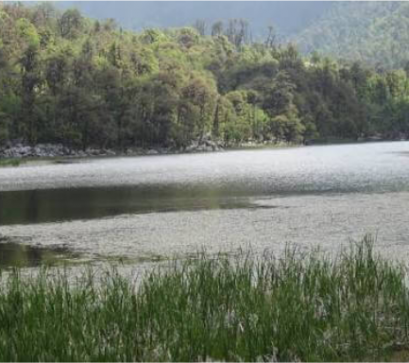
Set at elevations from approximately 435 m to 950 m along the Siwalik (Churia) Hills, Parsa’s terrain includes dry gullies, gravelly soils and seasonally moist valleys. The park’s forests are dominated by tropical and subtropical vegetation, with Sal (Shorea robusta) covering about 90% of the area. On the higher slopes, Chir pine thrives, while riverine habitats support khair (Acacia catechu), sissoo (Dalbergia sissoo) and silk-cotton trees.
Parsa’s plant diversity includes hundreds of floral species recorded across multiple plant groups. The park supports rich plant diversity typical of the Terai-Churia ecosystem.
Wildlife Highlights
Mammals
Parsa National Park sustains a remarkable array of mammalian fauna typical of the Terai lowlands. Key species include:
Royal Bengal tiger (Panthera tigris) - recent national tiger censuses indicate a growing tiger population within the park landscape.
Asian elephant (Elephas maximus) - resident populations regularly use forest and grassland habitats.
Sloth bear, leopard, gaur (Bos gaurus) and blue bull (nilgai).
Deer species such as sambar, chital, hog deer and barking deer, plus langurs, rhesus macaques and smaller carnivores like jungle cats and striped hyenas.

Birdlife
Parsa supports an impressive bird community; around 490-500 species including the endangered giant hornbill, paradise flycatcher, white-breasted kingfisher and numerous migratory species.
Reptiles and Others
The park’s reptilian fauna includes king cobra, common cobra, krait, python and other snake species, while wetlands and grasslands teem with amphibians and invertebrates.
Getting There and Best Time to Visit
Access:
By road: Parsa is approachable via the Kathmandu-Hetauda-Birgunj (Mahendra) Highway (about 6-7 hrs); buses run from Kathmandu, Hetauda and Birgunj to the park entrance, with onward local transport to Parsa’s headquarters at Adhabar.
By air: A short flight (about 15-20 minutes) from Kathmandu to Simara Airport is followed by a brief road transfer to the park.
Best seasons:
October to March: Mild, dry weather ideal for wildlife viewing.
Birdwatching can also peak around spring (February-April). Early morning and late afternoon visits improve wildlife encounters.
Top Tourist Activities
Jungle Safaris and Wildlife Drives
Guided jeep safaris, nature walks and elephant-back rides allow immersive wildlife viewing throughout the park.
Birdwatching and Photography
With varied habitats and abundant birdlife, the park is a premier location for birdwatchers and wildlife photographers alike.
View Towers (Machans)
Raised observation platforms near park headquarters offer excellent vantage points for spotting deer, birds and occasionally large mammals.
Elephant Camp at Amlekhgunj
This nearby elephant conservation centre provides insight into elephant ecology and management, and is often included as a side trip in safari packages.
Village and Cultural Walks
Experiences with nearby rural communities add a cultural dimension to nature-based travel.
Spiritual Sites
Kailas Bhata and Dugdeswor Mahadev Temples atop forested hills offer spiritual interest and panoramic views over the Terai landscape.

Conservation Success and Visitor Experience
Since its uplisting to national park status, Parsa has become an increasingly successful model of habitat restoration and species recovery. Tiger numbers have risen significantly in recent years, reflecting improved protection and water/resource management strategies.
Visitors to Parsa National Park can expect an accessible, rewarding experience suited to day trips, extended safaris and birdwatching tours, showcasing one of Nepal’s most vibrant lowland ecosystems.
PC: Wikimedia Commons, Tiger Encounter
Also Read
A Solo Traveller’s Guide to Rural Nepal - Tuesday Travel Tip