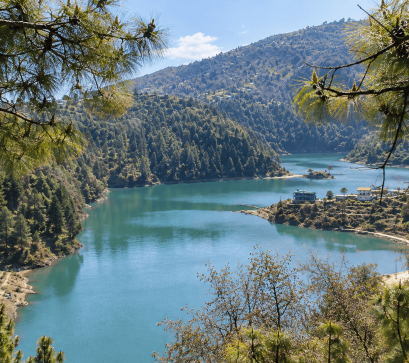
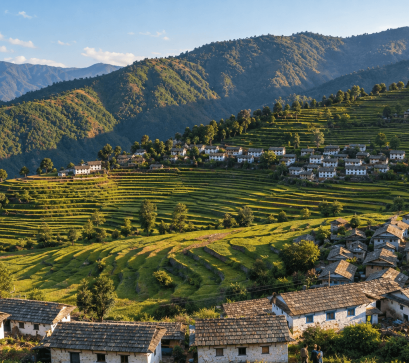
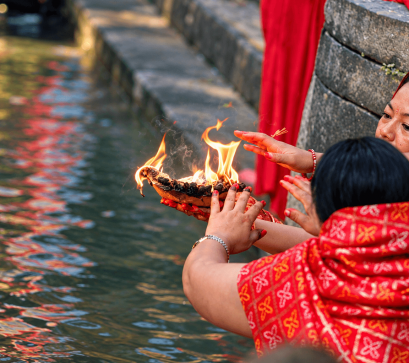
Nepal’s rural villages stand as enduring symbols of the country’s cultural and spiritual heritage. Far removed from urban centres and popular trekking corridors, these communities offer landscapes shaped by terraced agriculture, centuries-old traditions, and a way of life governed by patience and balance. For solo travellers, exploring these villages is both an enriching experience and a responsibility; one that calls for cultural sensitivity, preparedness, and respect.
1. Preparing for the Journey
Careful preparation forms the foundation of a successful solo journey into rural Nepal.
Route Planning:
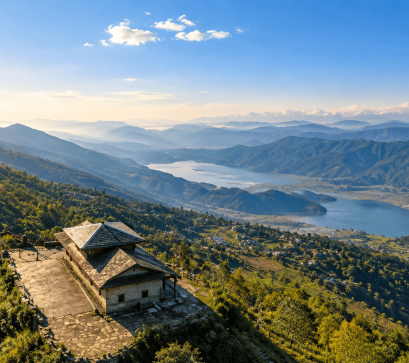
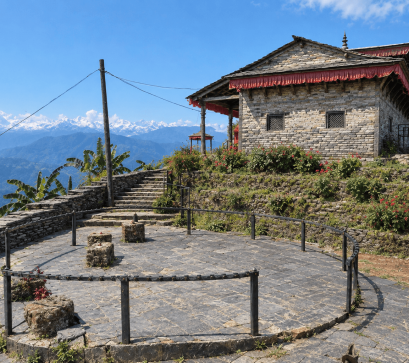
Select destinations that combine accessibility with cultural significance. Hill towns such as Bandipur, renowned for its preserved Newari heritage, and Ghale Gaun, noted for its Gurung traditions and Himalayan views, offer rewarding introductions to village travel. These locations provide essential infrastructure while maintaining a strong sense of place.
Travel Essentials:
Packing should be practical and efficient. Comfortable walking shoes, layered clothing suitable for fluctuating temperatures, and a reusable water bottle are essential. Additional items such as a headlamp, power bank, and lightweight rain jacket enhance self-sufficiency in remote settings.
Connectivity Considerations:
Mobile connectivity remains inconsistent across rural Nepal. A local SIM card, offline navigation tools, and downloaded documents ensure preparedness when network access is limited or unavailable.

2. Safety Considerations for Solo Travellers
While Nepal is widely regarded as a safe destination, solo travel in rural areas requires heightened awareness.
Informing Contacts:
Share travel plans, routes, and estimated timelines with trusted contacts prior to departure.
Seeking Local Advice:
Village elders, homestay hosts, and local shopkeepers are valuable sources of guidance. Their knowledge of trails, weather patterns, and local customs can significantly enhance safety and comfort.
Emergency Preparedness:
Carry a basic first-aid kit and identify the nearest health post upon arrival. Understanding local emergency procedures provides reassurance in unfamiliar environments.
3. Cultural Etiquette and Respect
Cultural awareness is central to meaningful rural travel.
Appropriate Attire:
Modest clothing that covers shoulders and knees is recommended, particularly in villages and religious spaces. Such consideration reflects respect for local values.
Traditional Greetings:
A respectful “Namaste,” accompanied by palms joined, remains a universally appreciated gesture across Nepal.
Observant Participation:
When invited to observe or take part in festivals, rituals, or household activities, travellers are encouraged to do so with sensitivity and respect. It is courteous to seek permission before photographing individuals or sacred spaces.

4. Supporting Local Economies
Responsible travel choices contribute directly to the sustainability of rural communities.
Community Homestays:
Choosing locally operated homestays enables cultural exchange while ensuring economic benefits remain within the village.
Local Cuisine:
Dining at village teashops and enjoying traditional meals such as dal bhat, millet roti, seasonal vegetables, and homemade yoghurt offers insight into regional food traditions while supporting local livelihoods.
Handcrafted Goods:
Purchasing locally made handicrafts such as woven baskets, pottery, or textiles not only helps preserve traditional skills and provides artisans with fair income, but also offers travellers meaningful and memorable souvenirs.
5. Embracing Slow Travel
Rural Nepal is best experienced without haste. Embracing a slower pace allows travellers to observe daily life without agenda,whether watching agricultural routines, schoolchildren along village paths, or artisans at work offering a deeper understanding of place and often creating the most memorable moments of a journey.
6. Eco-Friendly Travel Practices
Environmental stewardship is particularly important in rural regions.
Reducing Plastic Use:
Reusable bottles and bags help minimise waste in areas with limited disposal facilities.
Responsible Waste Management:
Travellers are encouraged to carry non-biodegradable waste with them when possible.
Respecting Natural Spaces:
Staying on designated trails, avoiding wildlife disturbance, and protecting water sources contribute to the preservation of fragile ecosystems.

7. The Tuesday Reflection Ritual
Tuesdays can serve as a structured moment for reflection during solo travel.
This reflective practice promotes intentional travel and enhances overall journey satisfaction.
Solo travel through Nepal’s rural villages offers more than scenic beauty, it provides access to human connection, cultural understanding, and thoughtful exploration. By approaching village travel with preparation, respect, and an appreciation for slower rhythms, travellers can experience Nepal in its most authentic form, while contributing positively to the communities they visit.
PC: Greg Willis, Wikimedia Commons
Also Read