May 15 - Two weeks before International Everest Day, the story of the women who climbed the world's highest peak without bottled oxygen remains one of mountaineering's most misunderstood chapters.
Above 8,000 metres, Mount Everest enters what climbers call the death zone, where oxygen levels are insufficient to sustain the human body for extended periods. At the summit (8,848 metres), atmospheric oxygen is roughly one-third of sea-level conditions, forcing the body into extreme hypoxia.
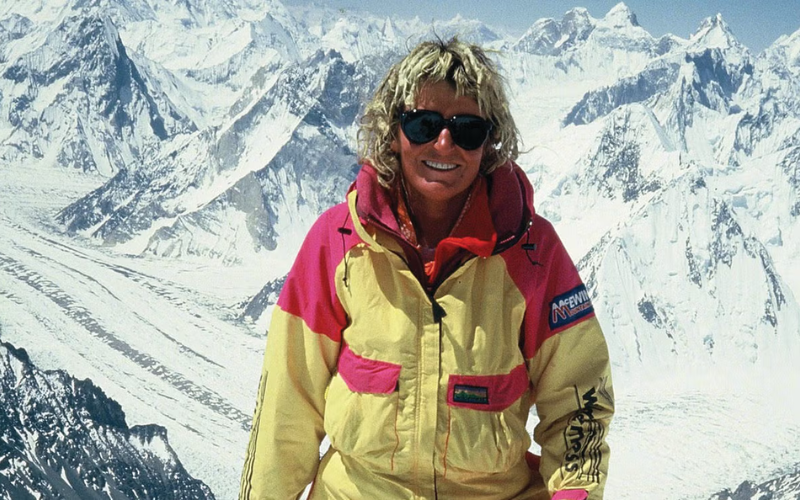
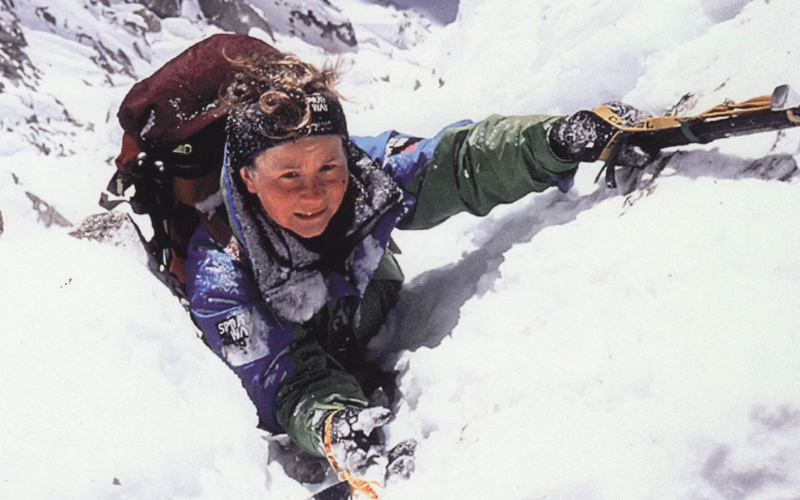
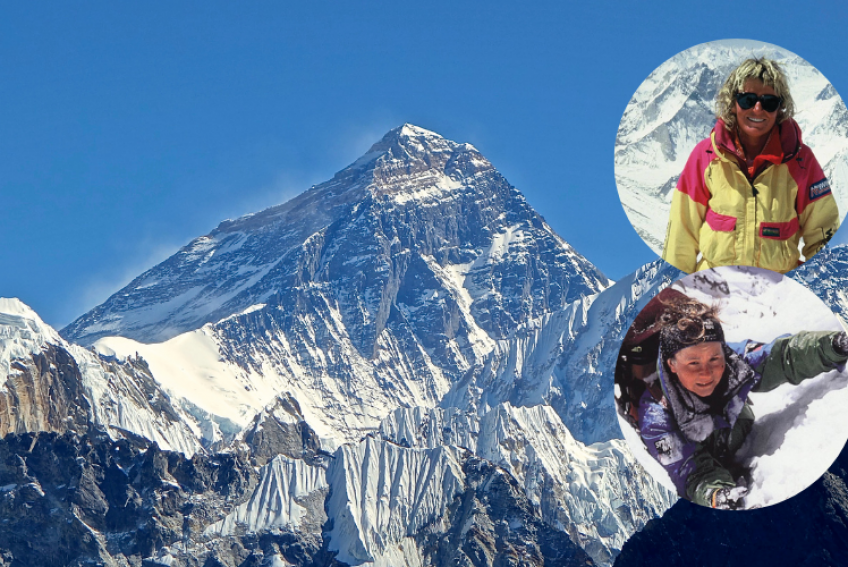
Despite this, a small number of climbers have reached the summit without supplemental oxygen. Among them, two women stand out for their pioneering ascents: Lydia Bradey (1988) and Alison Hargreaves (1995).
In October 1988, New Zealand climber Lydia Bradey reached the summit of Mount Everest without supplemental oxygen.
Her ascent was initially disputed due to expedition disagreements and lack of clear summit evidence, leading to years of controversy. However, her climb is now widely accepted by the international mountaineering community as the first confirmed female ascent of Everest without supplemental oxygen.
Bradey’s achievement occurred during a complex expedition season on Everest, where multiple teams were operating on different routes under challenging conditions. Despite the controversy, she went on to become one of New Zealand’s most experienced high-altitude climbers and later summited Everest multiple times.
On 13 May 1995, British climber Alison Hargreaves reached the summit of Everest without supplemental oxygen via the north side (Tibet route).
Her ascent is recognised as one of the most significant high-altitude climbs by a woman in mountaineering history. She climbed without bottled oxygen and without Sherpa assistance on the upper mountain, reflecting a highly independent style of ascent.
At the time, her achievement was widely reported as a major breakthrough for women in mountaineering, though it was also part of ongoing debate about what constitutes “solo” or “unsupported” climbing in the modern Everest context.
Later that year, Hargreaves died while descending K2 (8,611 metres) on 13 August 1995.
Public narratives frequently misattribute “firsts” in Everest history due to differences in climbing style and terminology.
To clarify based on verified records:
The confusion arises because mountaineering “style” classifications (solo, unsupported, oxygen-free) overlap but are not identical categories.
Climbing Everest without supplemental oxygen is extremely rare. Most climbers rely on bottled oxygen above 8,000 metres to reduce the effects of hypoxia.
These conditions place oxygen-free ascents among the most demanding achievements in high-altitude mountaineering.
The first woman to summit Everest was Junko Tabei (1975) of Japan, who used supplemental oxygen and expedition support. Since then, hundreds of women have reached the summit, with increasing participation in both guided and independent expeditions.
Oxygen-free ascents remain rare across all climbers, regardless of gender, and are regarded as a specialist discipline within high-altitude mountaineering.
Lydia Bradey and Alison Hargreaves represent two distinct but equally important chapters in Everest history.
Bradey’s 1988 ascent redefined what was possible for women in high-altitude climbing, despite initial controversy.
Hargreaves’ 1995 ascent demonstrated extreme independence at altitude, contributing to ongoing discussions about style, ethics and support systems in modern Himalayan mountaineering.
Together, their achievements highlight not only physical endurance, but also the evolving definitions of success on the world’s highest mountain.
As International Everest Day approaches on May 29, marking the anniversary of Hillary and Norgay's first ascent in 1953, the stories of these women offer a different perspective on what it means to conquer the world's highest mountain. Not the first to stand on top, but the first to stand there entirely on their own terms.
PC: The New York Times, climbing.com
Also Read