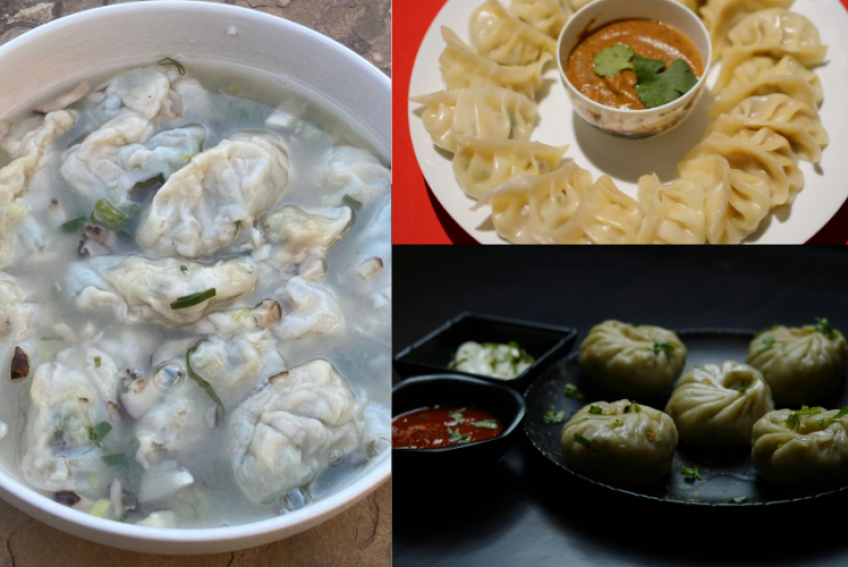
From roadside stalls in Kathmandu to high-altitude tea shops across the Himalayas, momo has become Nepal’s most iconic and widely consumed street food. These soft dumplings: filled, folded, and steamed or fried carry a layered history shaped by migration, trade, and local innovation.
The Nepali momo traces its roots to the Tibetan momo (or mog mog), a traditional dumpling typically filled with yak meat, seasoned simply with salt and wild garlic, and wrapped in unleavened barley or wheat dough before being boiled.
Tibetan traders and migrants are believed to have introduced this dish to the Kathmandu Valley between the 14th and 17th centuries through the historic Lhasa-Kathmandu salt-and-rice trade route.
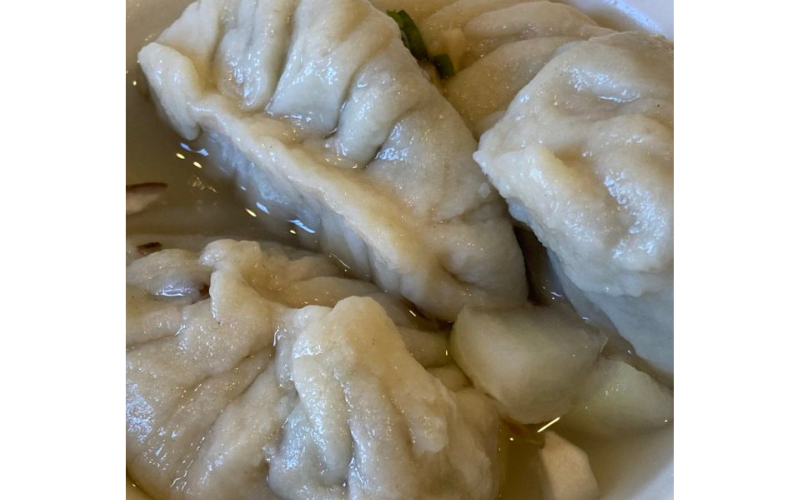
In Nepal, the dish was significantly transformed, particularly by the Newar community of the Kathmandu Valley, including Bhaktapur, Patan, and Kathmandu.
Key culinary adaptations included:
This transformation gave rise to what is now recognised as the distinctly Nepali momo.
Until the mid-20th century, momo remained largely confined to Newar households. However, after the 1959 Tibetan diaspora and increasing internal migration, momo spread rapidly to cities such as Pokhara, Birgunj, and beyond.
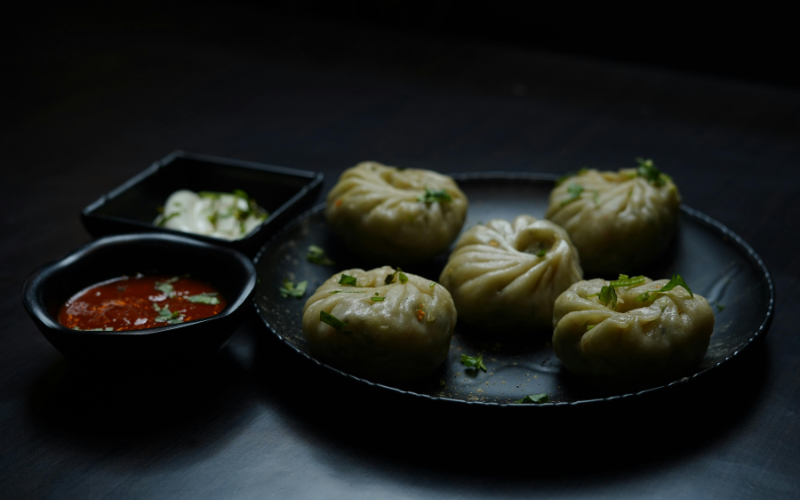
By the 1980s, pushcart vendors in Kathmandu’s tourist districts like Thamel helped popularise momo nationally. Today, it is estimated that Nepal has between 8,000-10,000 momo stalls and restaurants, making it the country’s most consumed street food.
Momo is made from simple flour dough rolled into thin wrappers, filled with minced meat or vegetables, sealed into pleated shapes, and then:
It is always served with achar, a spicy dipping sauce that defines its Nepali identity.
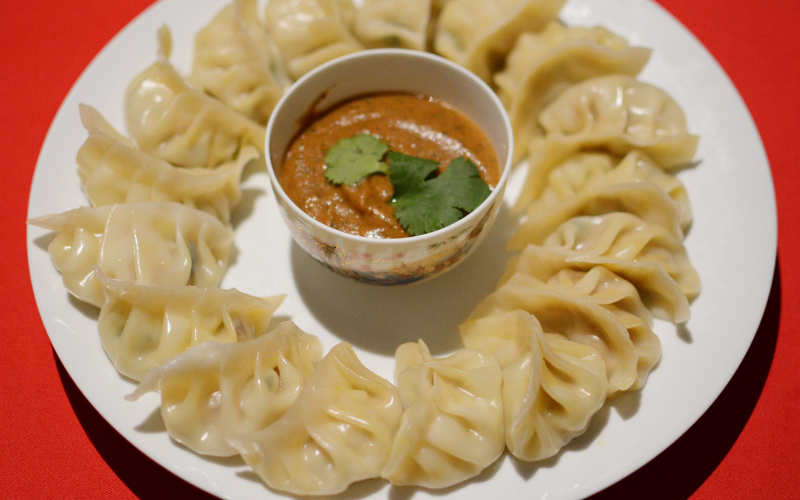
While momo originated from Tibetan culinary tradition, the Newar-refined version remains the dominant standard across Nepal today. Its evolution reflects centuries of cultural exchange, adaptation, and urbanisation.
From humble beginnings along Himalayan trade routes to its current status as a national obsession, momo is no longer just food, it is a shared cultural language across Nepal.
PC: Pexel, Wikimedia Commons, ShrineKitchen
Also Read


.png)