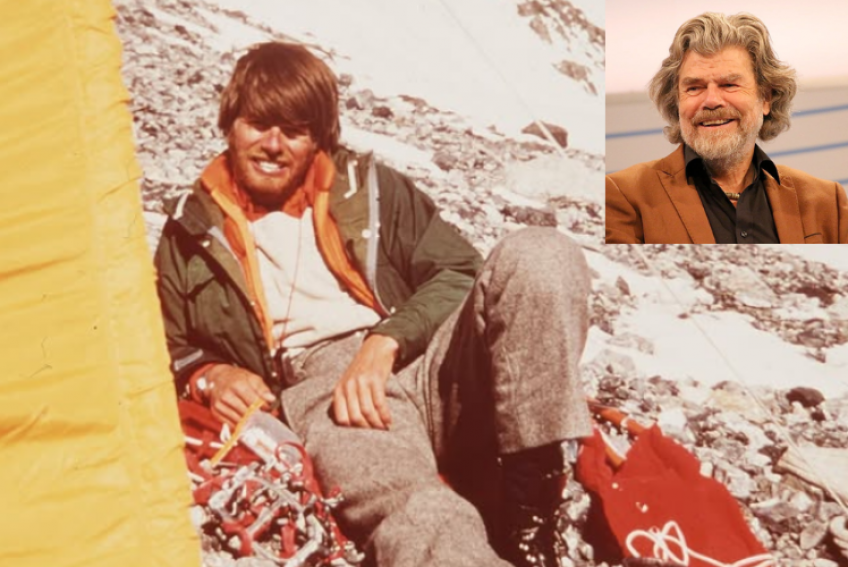
Every year on 29 May, International Everest Day commemorates the first ascent of Mount Everest by Sir Edmund Hillary and Tenzing Norgay in 1953, while honouring those who have pushed human limits in the “death zone” above 8,000 metres. Among these legendary figures, one name stands apart for redefining what is physically and philosophically possible in mountaineering, Reinhold Messner.
By the 1970s, climbing Mount Everest was still heavily dependent on supplemental oxygen, with many experts believing survival above extreme altitudes without it was impossible.
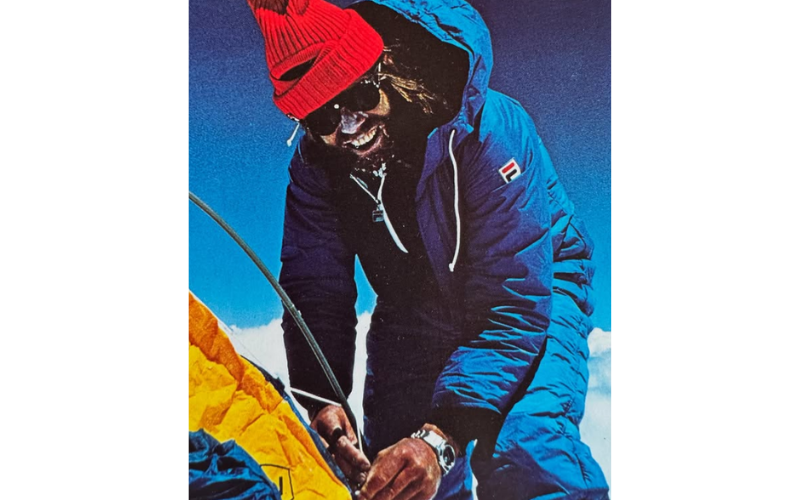
That belief was shattered on 8 May 1978, when Reinhold Messner (Italy) and Peter Habeler (Austria) reached the summit of Everest via the southeast ridge without supplemental oxygen. This ascent marked a historic turning point in high-altitude climbing, proving that the human body could adapt further than previously imagined.
Two years later, Messner pushed the limits even further.
On 20 August 1980, he completed a solo ascent of Everest via the north side, again without oxygen, without support, and largely alone. This made him the first person to climb Everest solo and without supplemental oxygen.
This achievement is widely regarded as one of the greatest feats in mountaineering history.
While International Everest Day celebrates the collective spirit of Himalayan climbing, Messner’s story represents a deeper shift in how Everest is perceived.
His climbs challenged three major beliefs:
Instead, Messner introduced a new philosophy: lightweight, self-reliant, and ethically pure alpinism.
His 1980 solo ascent is often described as transforming mountaineering from conquest to introspection where the journey mattered as much as the summit.
Above 8,000 metres lies the “death zone”, where oxygen levels are so low that the human body begins to deteriorate rapidly. Most climbers rely on bottled oxygen to survive even short durations at this altitude.
Messner’s ascents proved that survival without oxygen was not only possible but could be sustained, if approached with extreme efficiency, adaptation, and mental resilience.
This redefined high-altitude physiology and inspired decades of research into human endurance.
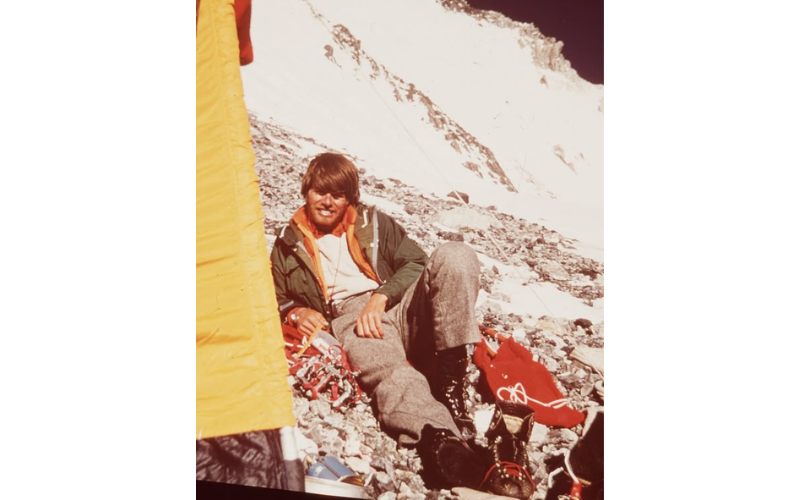
Messner’s achievements also sparked a cultural shift in Himalayan expeditions:
Even today, climbers debate his philosophy, especially in an era of highly commercialised Everest expeditions.
Modern Everest expeditions are vastly different from Messner’s era. Fixed ropes, guided Sherpa support, and supplemental oxygen are now standard for most climbers.
Yet Messner’s legacy continues to shape elite alpinism. His vision is echoed in rare modern attempts to climb Everest without oxygen; a feat still achieved by only a small number of climbers.
As records continue to evolve, his climbs remain a benchmark against which all “pure ascents” are measured.
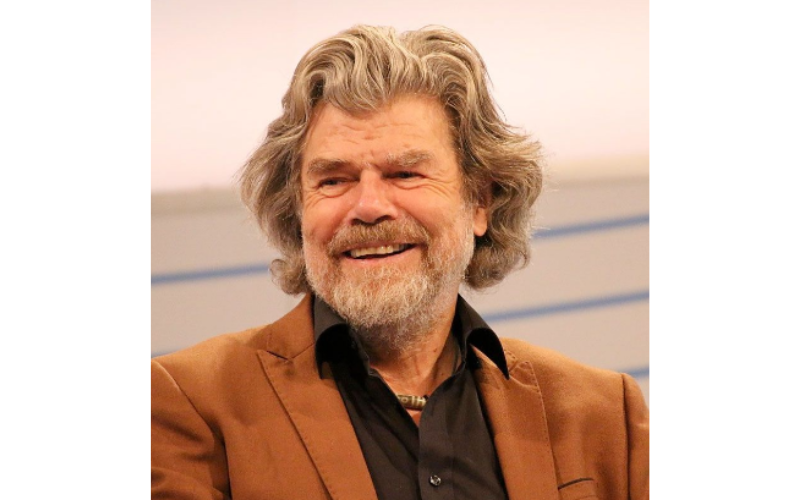
On International Everest Day, the story of Everest is not only about who first stood on its summit, but also about those who redefined how humans engage with the mountain.
Reinhold Messner’s oxygen-less ascents stand as a reminder that Everest is not just a peak to conquer, but a limit to question.
And perhaps, a limit that is never truly fixed.
Also Read