Nepal’s mountains are often associated with extremes: thin air, towering giants, and elite expeditions pushing human limits. But beyond the iconic summits of Mount Everest lies another, quieter story: one of first steps, learning curves, and accessible climbs that introduce aspiring mountaineers to the Himalaya.
For those ready to move beyond trekking and into the world of ropes, ice, and altitude, Nepal offers a selection of entry-level mountaineering peaks, each combining challenge, beauty, and a gateway into high-altitude climbing.
Island Peak (Imja Tse): The Classic First Ascent
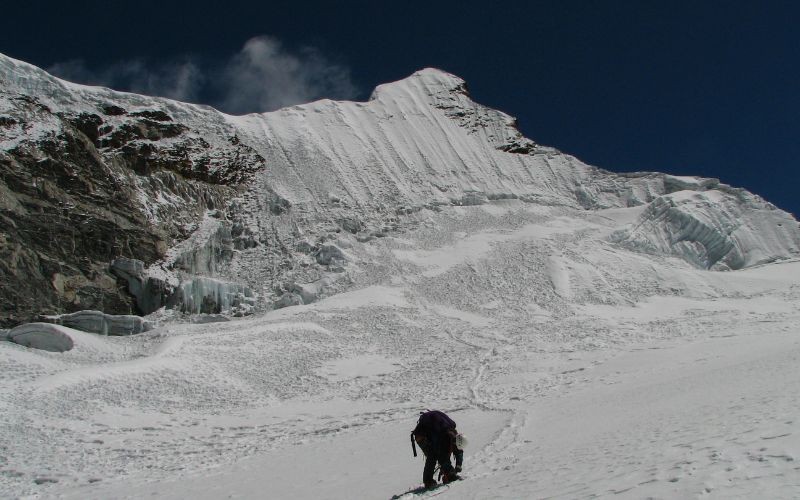
Rising to 6,189 metres in the heart of the Khumbu, Island Peak is often the first true Himalayan climb for many.
Set against the dramatic backdrop of Lhotse and Ama Dablam, the mountain introduces climbers to glacier travel, crevasse navigation, and fixed rope ascents.
Located within Sagarmatha National Park, the journey passes through alpine terrain shaped by both natural forces and deep-rooted Sherpa culture.
Tuesday Tip: This is where theory meets practice: prior training in rope handling and glacier movement is essential.
Mera Peak: Altitude Over Technique
At 6,476 metres, Mera Peak stands as Nepal’s highest trekking peak, and one of its most deceptive.
The climb itself is technically straightforward, with gradual slopes and expansive glaciers. But the real test lies in endurance and acclimatisation. The summit rewards climbers with sweeping views of five 8,000-metre giants, including a distant but unmistakable Everest.
Far removed from the busier Khumbu trails, the Hinku Valley offers a more remote experience, with pristine forests and untouched landscapes.
Tuesday Tip: Train your lungs, not just your legs: altitude, not terrain, is the biggest challenge here.
Lobuche East: Stepping Into Technical Terrain
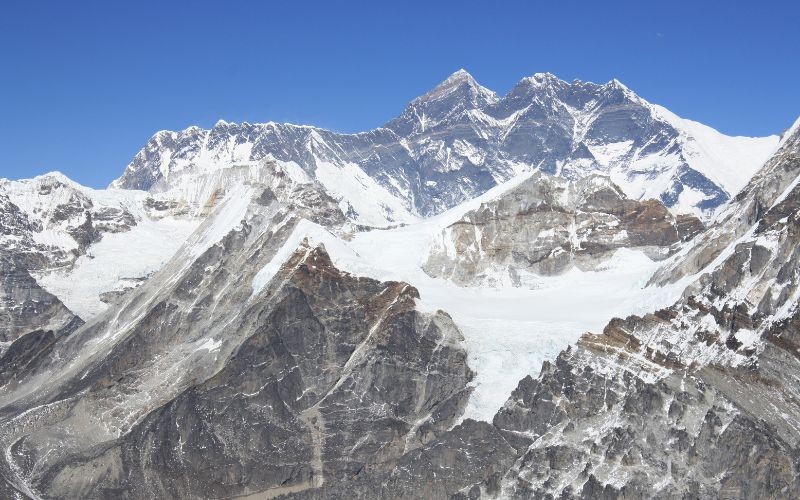
For those looking to push further, Lobuche East (6,119 m) represents a clear progression. Positioned near the Khumbu Glacier and within reach of Everest Base Camp, this peak introduces steeper ice slopes, exposed ridgelines, and more sustained use of mountaineering techniques.
Unlike Island Peak, Lobuche East demands greater confidence with crampons, ice axes, and rope systems making it a true transition from beginner to intermediate climbing.
Tuesday Tip: Treat this as a skills-based climb: technical preparation matters as much as fitness.
Yala Peak: Where It All Begins
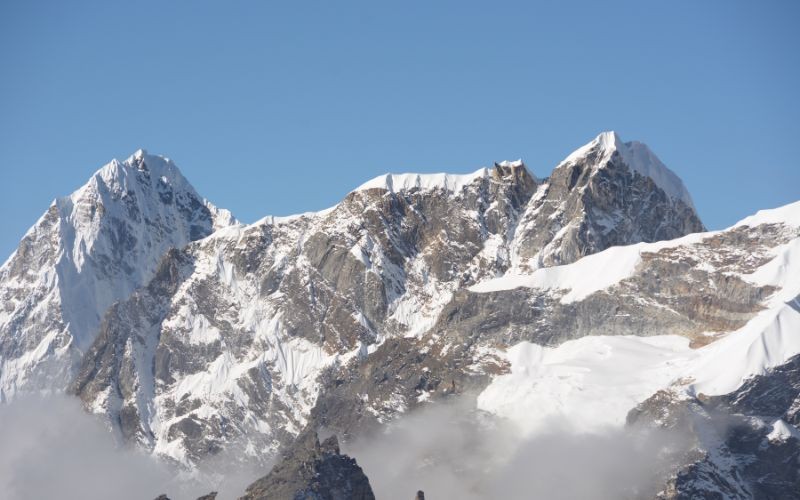
In the quieter trails of Langtang, Yala Peak (5,732 m) offers one of the most accessible introductions to Himalayan climbing.
With non-technical terrain and a relatively shorter itinerary, Yala is ideal for those testing their limits for the first time. The climb unfolds within Langtang National Park, where rhododendron forests, bamboo groves, and highland wildlife shape the journey.
From the summit, the view of Shishapangma, one of the world’s 8,000-metre peaks feels both distant and deeply personal.
Tuesday Tip: Use Yala as a learning ground, focus on acclimatisation and understanding your body at altitude.
Climbing with Responsibility
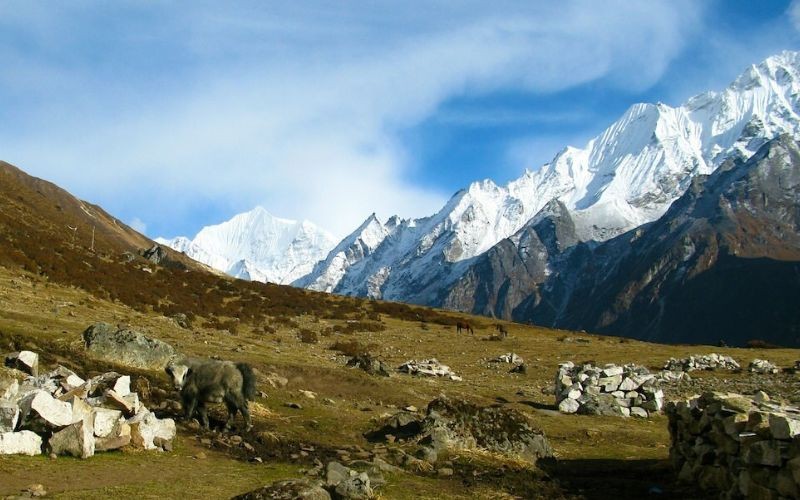
As more climbers take their first steps into the Himalaya, the responsibility to protect these fragile ecosystems becomes more urgent.
From glacial retreat to increasing expedition waste, the mountains are under visible strain. Nepal has already begun tightening regulations, reinforcing the importance of sustainable practices.
Climb consciously:
The First Step Matters
Mountaineering in Nepal doesn’t begin at the summit but with preparation, respect, and choosing the right mountain.
Whether it’s the glacier crossings of Island Peak, the high-altitude endurance of Mera, the technical edge of Lobuche, or the gentle introduction of Yala, each climb is less about conquest and more about initiation into the rhythm of the Himalaya.
Because in these mountains, every first summit is not an end but an invitation.
PC: Wikimedia Commons, Flickr
Also Read