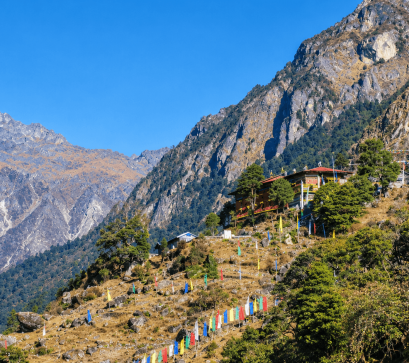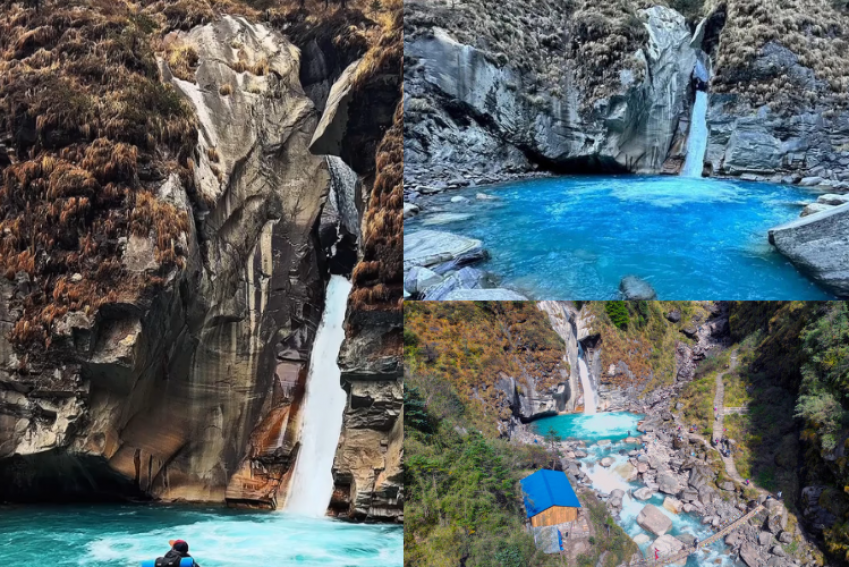
Tucked away in the rugged landscapes of western Nepal, Futfute Jharana is one of those rare Himalayan waterfalls that remains largely untouched by mass tourism. Located in Myagdi District, this natural cascade is gaining quiet recognition among trekkers journeying along the emerging Maurice Herzog Trail towards the Annapurna region.
Unlike easily accessible roadside waterfalls, Futfute Jharana demands effort, patience, and a sense of adventure rewarding trekkers with an unfiltered encounter with Himalayan wilderness within the Annapurna Conservation Area.
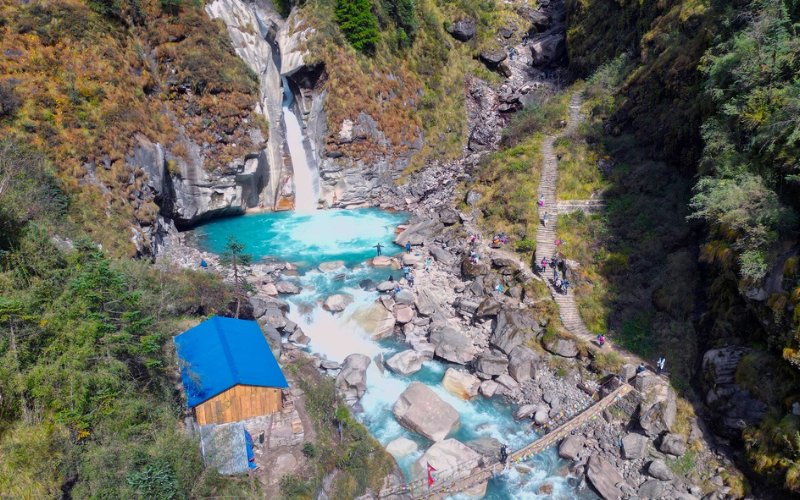
Futfute Jharana lies in Myagdi District, in the lower Himalayan foothills of western Nepal. The waterfall is accessed via Narchyang village, which serves as one of the key trailheads for the Maurice Herzog Trail leading towards the Annapurna Base Camp region.
The route typically involves trekking through forested ridgelines, river valleys, and traditional settlements before reaching the waterfall section. There is no direct road access, making the journey entirely trekking-based and preserving its remote character.
This isolation is precisely what defines Futfute Jharana, not as a quick sightseeing stop, but as part of a deeper Himalayan trekking experience.
The waterfall is formed by glacial and rain-fed streams originating from the Annapurna massif. As the water descends through steep cliffs and narrow gorges, it creates a powerful vertical drop, often accompanied by mist and echoing sound within the surrounding valley.
The landscape around Futfute Jharana is characterised by dense forests, moss-covered rocks, and steep limestone formations. Depending on the season, the area transforms dramatically from lush green monsoon vegetation to crisp, clear autumn vistas.
The microclimate around the waterfall is noticeably cooler, offering trekkers a refreshing pause along the trail.
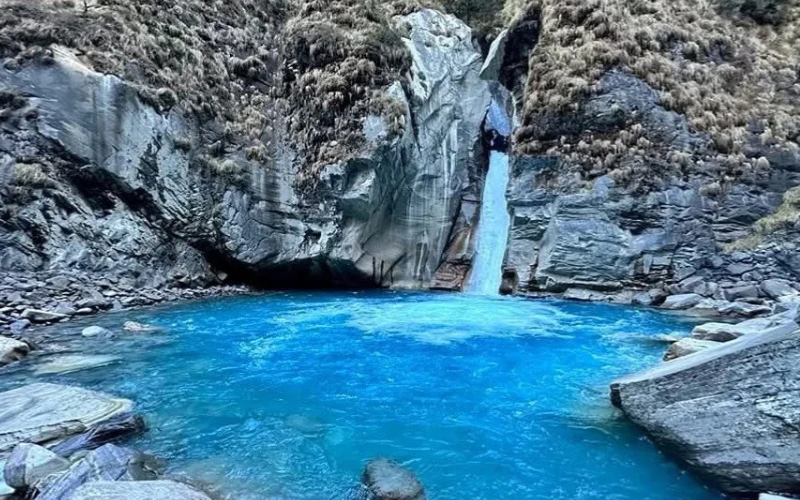
Futfute Jharana is not a standalone tourist attraction but part of a larger trekking journey through less-commercialised sections of the Annapurna region. The trail leading here is moderately challenging and best suited for trekkers comfortable with uneven terrain and natural pathways.
Along the route, trekkers may encounter:
The experience is defined not by infrastructure, but by immersion in nature and rural Himalayan life.
The experience of Futfute Jharana changes significantly with seasons:
For most trekkers, autumn and spring offer the most balanced and enjoyable conditions.
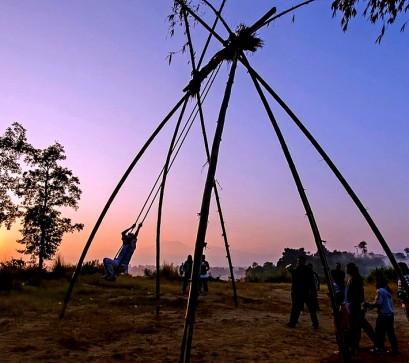
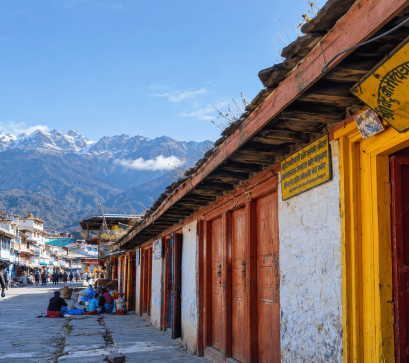
The surrounding villages of Myagdi reflect a strong blend of Himalayan cultural traditions. The region is home to communities whose livelihoods are shaped by agriculture, livestock rearing, and seasonal trekking tourism.
Travellers passing through this region often experience:
This cultural dimension adds depth to the journey, making the trek as enriching socially as it is naturally.
As interest grows in offbeat trekking destinations, Futfute Jharana represents both opportunity and responsibility. Its relatively untouched condition makes it an important site for responsible tourism practices.
Key considerations for trekkers and stakeholders include:
Sustainable practices are essential to preserve the authenticity and ecological balance of the area.
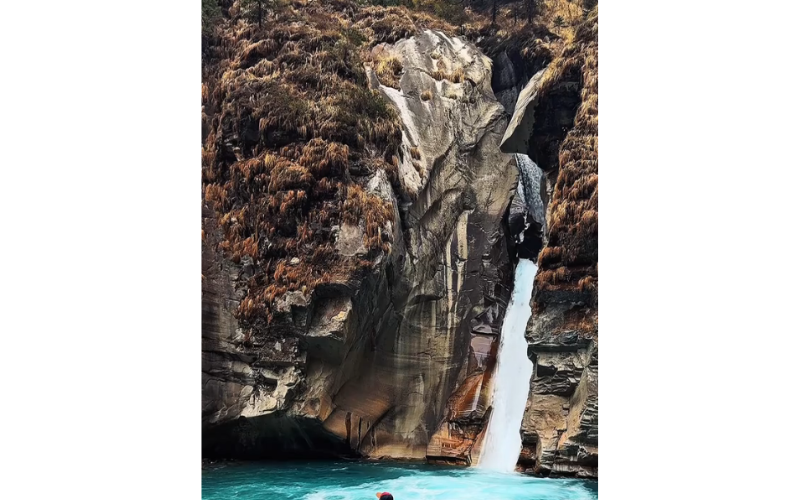
Futfute Jharana is more than a scenic waterfall, it is a quiet reward for those who choose Nepal’s lesser-travelled paths. Situated along the evolving Maurice Herzog Trail in Myagdi, it offers a rare combination of raw Himalayan nature, cultural authenticity, and trekking adventure.
For travellers seeking experiences beyond crowded routes, this hidden cascade stands as a reminder that some of Nepal’s most beautiful landscapes are still found off the map, waiting to be discovered step by step.
PC: Internet
Also Read
.png)