A practical, beginner-friendly roadmap for anyone visiting Nepal for the first time; covering visas, budgeting, the best season to go, safety, altitude, culture, and a sample itinerary.
Nepal sits at the crossroads of towering Himalayan peaks, ancient temple squares, and some of the warmest hospitality in Asia – but for a first-time visitor, it can also feel unpredictable. Kathmandu's traffic, the altitude, the visa process, the currency: none of it is complicated once you know what to expect.
Quick Answers Before You Book
- Best time to visit: October–November (peak season) or March–May
- Visa: Available on arrival for most nationalities at Tribhuvan International Airport
- Currency: Nepalese Rupee (NPR); carry cash – cards aren't widely accepted outside big hotels
- Ideal trip length for first-timers: 10–14 days
- Budget range: $25–30/day (budget) to $180+/day (luxury)
- Entry point: Tribhuvan International Airport, Kathmandu
1. When to Visit Nepal for the First Time
Nepal has four distinct seasons, and timing shapes your entire trip.
- Autumn (September–November): The gold standard. Clear skies, comfortable temperatures (15–25°C), and the best mountain visibility of the year. Expect the biggest crowds on popular trails.
- Spring (March–May): Nearly as good; rhododendrons bloom across the hillsides, and wildlife-viewing in parks like Chitwan is at its best.
- Winter (December–February): Pleasant in Kathmandu and Pokhara, but bitterly cold at higher elevations. Good for cultural travel, less ideal for high-altitude trekking.
- Monsoon (June–August): Heavy rain, muddy trails, and unpredictable travel delays. Generally best avoided for a first visit, though it's the quietest and cheapest season.
2. Visa and Entry Requirements
Most nationalities can get a visa on arrival at Kathmandu's airport. You'll need:
- A passport valid for at least six months beyond your arrival date
- Passport-sized photos
- Visa fee in cash (USD is widely accepted for this)
Visas are typically issued for 15, 30, or 90 days depending on your trip length. It's worth checking Nepal's official immigration website shortly before departure, as fees and requirements can shift.
3. How Much Does a Trip to Nepal Cost?
Nepal remains one of the most affordable adventure destinations in Asia, but costs vary widely by travel style:
- Budget travel: NPR 2,500–4,000 (~$20–30/day) – guesthouses, local dal bhat meals, public buses
- Mid-range travel: $400–600 per week – comfortable hotels, private transport, guided sightseeing
- Luxury travel: $180+ per day – private guides, premium lodges, domestic flights instead of road transport
Most international transactions require cash – only larger hotels and restaurants accept cards, so budget for regular ATM withdrawals or bring USD to exchange.
4. Where First-Timers Should Go
A first Nepal itinerary typically follows a well-worn but rewarding route:
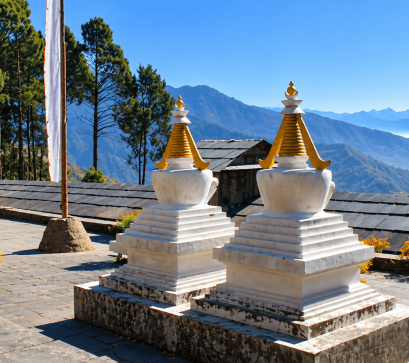
- Kathmandu Valley (3–4 days): The cultural heart of the country. Don't miss Boudhanath Stupa, Pashupatinath Temple, Swayambhunath (Monkey Temple), and the Durbar Squares of Kathmandu, Patan, and Bhaktapur.
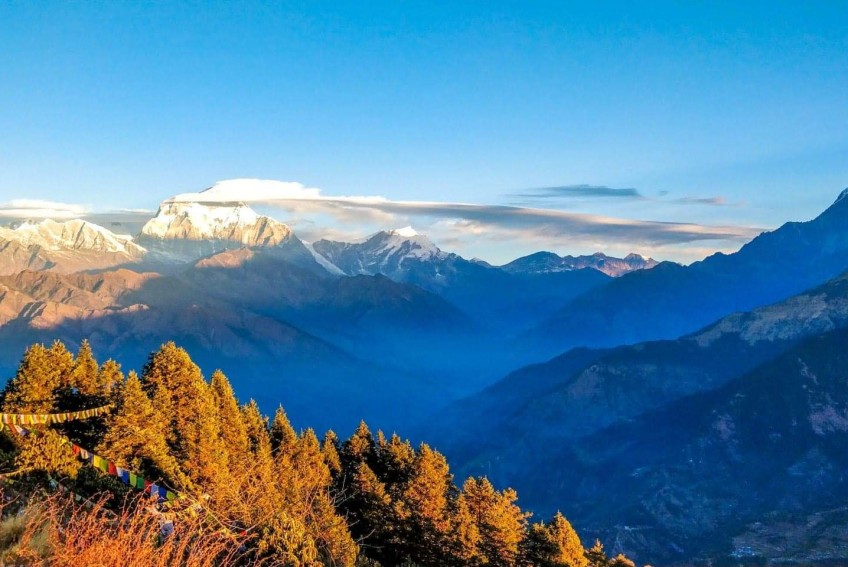
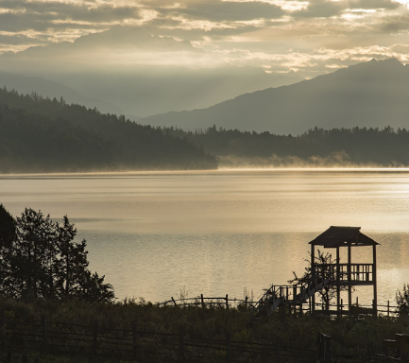
- Pokhara (2–3 days): Nepal's laid-back lakeside city and gateway to the Annapurna region. Boat on Phewa Lake, hike to the World Peace Pagoda, or catch sunrise over the Annapurna range from Sarangkot.
- A short trek: Beginner-friendly options include the Poon Hill Trek, Ghorepani, or an Everest View Trek – no technical climbing experience required.
- Chitwan National Park (2 days): For jungle safaris and wildlife spotting, a complete contrast to the mountain scenery.
For most first-time visitors, 10–14 days is enough to comfortably cover Kathmandu, Pokhara, a short trek, and a wildlife stop without rushing.
5. Getting Around Nepal
- Domestic flights connect Kathmandu to Pokhara, Lukla, and other remote hubs – book through a local travel agent rather than directly online, where scam sites are common.
- Tourist buses run reliably between major cities and are the budget-friendly choice for the Kathmandu–Pokhara route.
- Taxis are the easiest way from the airport into the city – always agree on a price before getting in, since meters are rarely used.
6. Altitude Sickness: What First-Time Trekkers Need to Know
If your trip includes any trekking above 2,500m, altitude is the single biggest health factor to plan around:
- Avoid climbing more than 500m in elevation per day once above 2,500m
- Stay hydrated and rest immediately if you feel headaches, nausea, or dizziness
- Never push through symptoms – descend if they worsen
- Confirm your travel insurance includes medical evacuation coverage; helicopter rescues can cost $5,000 or more
7. Culture and Etiquette Basics
- Dress modestly, especially at religious sites
- Remove shoes before entering homes and temples
- Ask permission before photographing people
- Nepal is home to over 100 ethnic groups and multiple religions coexisting closely – Hindu and Buddhist customs often overlap, so observe local cues rather than assuming
8. Health and Safety for First-Time Visitors
Nepal welcomes over a million international visitors a year and is considered safe for tourists, with low rates of serious crime. Still, a few precautions matter:
- Medical treatment for foreigners isn't covered by the Nepali government – travel insurance is essential, not optional
- Drink only bottled or filtered water, and carry hand sanitiser
- Hospitals in Kathmandu are better equipped than those in rural areas; factor this into remote trekking plans
- Keep a copy of your passport and enrol in your embassy's traveller notification programme if available
9. Connectivity
SIM cards are cheap and easy to get at the airport (under $10 for most tourist plans), or you can activate an eSIM like Airalo before you land to skip the queue entirely.
Sample First-Timer Itinerary (10 Days)
| Day |
Activity |
| 1–2 |
Arrive Kathmandu, explore Thamel, Durbar Square |
| 3 |
Boudhanath, Pashupatinath, Swayambhunath |
| 4 |
Travel to Pokhara |
| 5–6 |
Phewa Lake, Sarangkot sunrise, World Peace Pagoda |
| 7–8 |
Short trek (Poon Hill or Ghorepani) |
| 9 |
Return to Kathmandu |
| 10 |
Departure |
Final Tip
Nepal rewards travellers with built-in flexibility. Roads, weather, and flight schedules can shift quickly here, so treat your itinerary as a strong outline rather than a fixed plan – and leave room to say yes to the unexpected.
Also Read