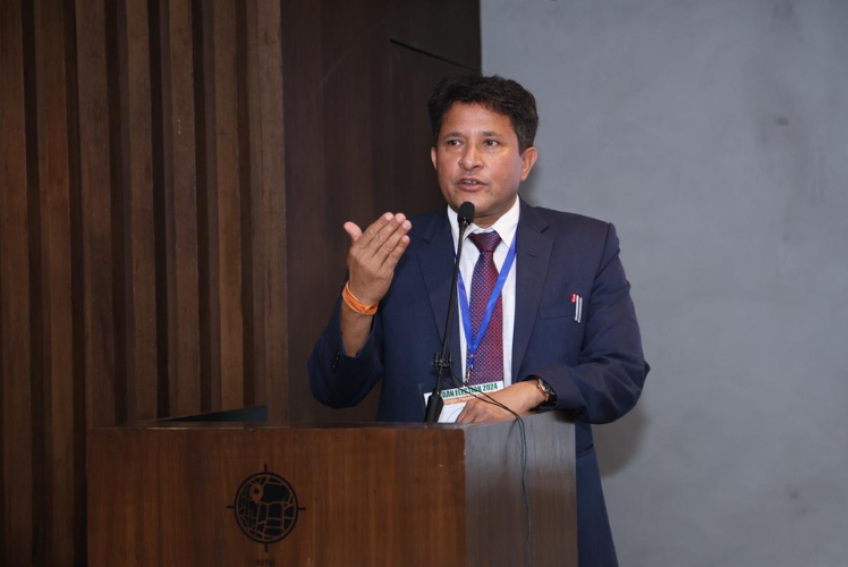
Mr Sagar Pandey is an entrepreneurial leader, an industry motivator, and a builder of legacies. Over nearly three decades in the tourism sector, his purpose has evolved beyond running a successful enterprise; it is now about mentoring the next generation of leadership. By sharing the structural blueprints, challenges, and successes of his legacy, he aims to serve as a catalyst and motivator, helping new entrepreneurs build resilient, globally competitive travel brands that can elevate Nepal's economic landscape.
My entry into trekking tourism was completely unexpected – its "just happened." I'm the first-generation entrepreneur in my family; my original path was as a Geologist studying mining engineering. That background gave me a deep understanding of the Himalayas' terrain and untapped potential, and I realized I could showcase the mountains' beauty through sustainable adventure tourism instead of mining them.
Since starting in 1998 with just a table and chair, the industry has transformed from basic, isolated teahouse trekking into a sophisticated, multi-million-dollar global adventure sector, demanding strict safety regulations, high-end hospitality, digital presence, and a strong commitment to eco-tourism.
My administration is focused on five core pillars: aggressive policy reform to cut bureaucratic red tape and boost local operators; exploring and developing new trails to decentralize tourism from East to West and reach remote communities; preserving iconic routes like Everest Base Camp and Annapurna through frameworks that manage over-tourism and environmental degradation; building a balanced ecosystem that fairly benefits agencies, guides, porters, lodge owners, and local authorities; and embedding climate-conscious, responsible travel practices into every registered trekking agency, given climate change's impact on our glaciers and peaks.
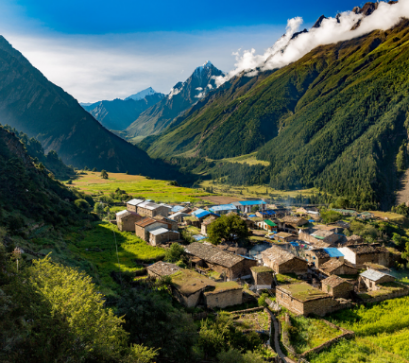
Iconic destinations like Everest Base Camp and Annapurna continue to see strong, steady growth thanks to their unmatched global name recognition. But secondary circuits are surging too: Mardi Himal is booming as a short, accessible trek out of Pokhara offering close-up views of Machapuchare without a multi-week commitment, while Manaslu is thriving as a "virgin trail" alternative for travelers seeking cultural authenticity and fewer crowds – helped by new road links from Kathmandu that make it easier to reach.
Trekkers are critical partners in preserving our mountains, not just consumers. They drive Fair Trade practices by supporting agencies that pay guides, porters, and kitchen crews fairly and treat them with dignity and proper gear.
They also play a role in climate action – we encourage travelers to adopt carbon-offset practices like supporting reforestation, minimizing plastic waste, and choosing eco-certified lodges, all of which help protect these fragile alpine environments long-term.
Look beyond the famous icons and discover the untouched depths of the Himalayas. For second-time visitors who've already done Everest or Annapurna, I recommend diversifying with trails like Manaslu to Muktinath and Jomsom, or the Kanchenjunga Base Camp Trek – equally dramatic landscapes with far fewer crowds. Choosing these alternative routes gives you a more authentic adventure while directing vital economic benefit to remote communities that mainstream tourism hasn't reached yet.
For me, the mountains are a sanctuary, not a workplace – my personal connection to the Himalayas comes from a deep need for peace, mindfulness, and meditation. High altitude strips away the noise of modern life, pushes me out of my comfort zone, and rewards me with mental clarity and stillness. That contrast between challenge and inner peace is what keeps calling me back.