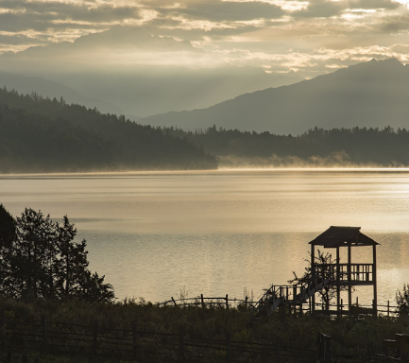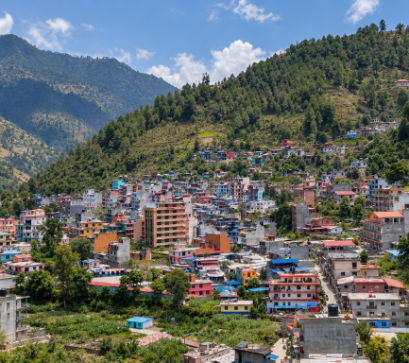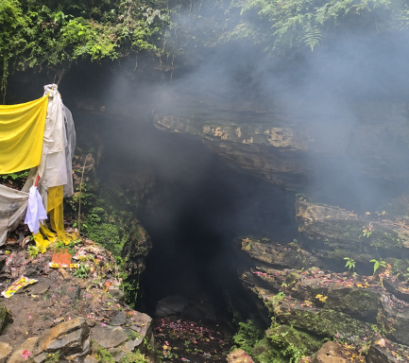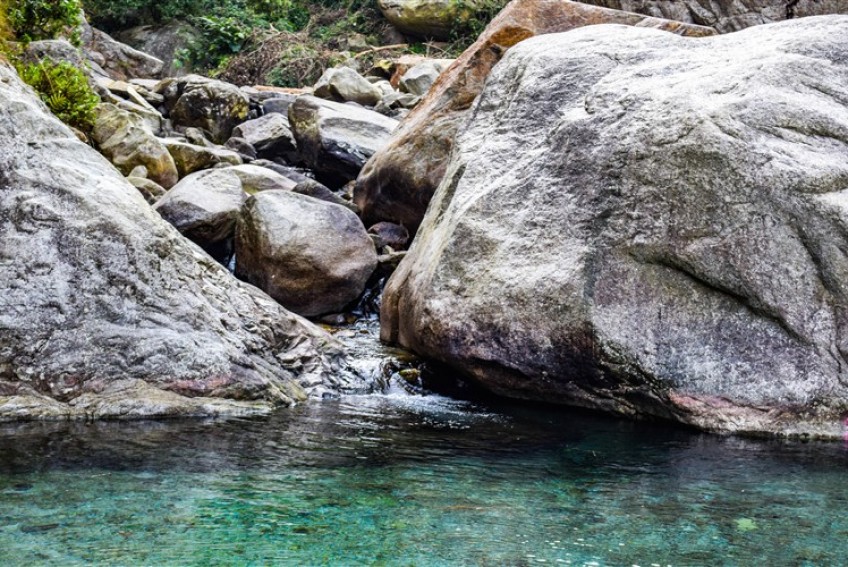
Just 15 kilometers northeast of the city, Sundarijal sits at the point where mountain streams gather to form the Bagmati River. The waterfall and the natural pools around it draw both hikers heading up toward Shivapuri National Park and day-trippers who just want a cold dip. It is the easiest option for anyone based in Kathmandu, reachable by taxi in under an hour. One caution worth flagging honestly: the reservoir area has seen fatal drowning incidents in past years, so stick to the shallower riverside pools rather than the dam catchment, and avoid swimming alone.
Roughly 11 kilometers from Phewa Lake, this tributary of the Seti Gandaki is one of Pokhara's better-kept natural pools. Locals call it Dovilla, and it is best reached via Bagmara Road and the Panchase Marga toward Pardi Bazaar. The water here is shallower and calmer than the main Seti channel, which makes it a safer bet for families and casual swimmers.
Harpan Khola feeds into Phewa Lake and offers a quieter alternative to the lake itself, which gets crowded with boats and tourists by midmorning. The setting is rural, running past paddy fields and small villages, and the water stays clean and cold even in peak summer. It is a solid pick for travelers who want the Pokhara scenery without the lakeside crowds.
The Trishuli is best known for rafting, but the calmer stretches near Kurintar and Charaudi, a few hours from Kathmandu on the way to Pokhara or Chitwan, have gentler pockets of water suited to swimming rather than white-water sport. Several riverside resorts here offer supervised access to the water, which is a reasonable option for those unfamiliar with reading river currents on their own.
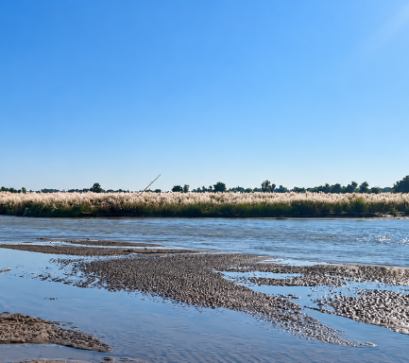
For a change of scenery, Chatara in eastern Nepal sits where the Saptakoshi opens into a wide, sandy river beach. It is a longer trip from Kathmandu, but the payoff is space: broad stretches of sand, warmer plains water compared to the glacier-fed rivers further west, and jet boat rides for those who want more than a swim.
None of these spots come with lifeguards, so a few basics matter more than they would at a resort pool. Water shoes help on the rocky riverbeds, a dry bag keeps phones and wallets safe on the banks, and it is worth checking with locals about that day's current before wading in, since levels can shift after rain even upstream. Swimming with at least one other person is a simple rule that is easy to skip.
August still counts as monsoon in Nepal, and that changes the calculation more than the heat does. Rivers are running high and cloudy with runoff, and currents are stronger than they look from the bank. This is exactly the stretch when smaller, calmer tributaries like Furse Khola or Harpan Khola are the safer call over a swollen main channel like the Trishuli or the Saptakoshi. September tends to ease things as the rains taper off, but water levels can still rise fast after a single heavy afternoon upstream, so check conditions on the day rather than assuming a spot is calm because it was calm last week. If a river looks brown, fast, or higher than usual against its banks, that is a clear signal to wait it out.