.png)
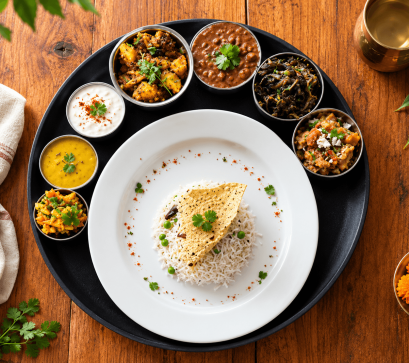
Ask most visitors what Nepal eats, and dal bhat is probably the first answer that comes to mind. It is a staple across the country, but there is much more to Nepali food than one familiar plate. From the high mountains to the southern plains, what people eat changes with the landscape, climate, culture, and traditions of more than a hundred ethnic communities. In Nepal, even a journey from one valley to the next can bring a completely different taste to the table.
Sherpa and Tibetan-influenced kitchens are built for survival at altitude. Thukpa noodle soup, momo, dhido and tsampa (roasted barley flour) provide long-lasting energy. Butter tea, made with butter, salt and tea leaves, keeps people warm and hydrated. Thakali cuisine, from Mustang and the Annapurna region, adds buckwheat dishes and timur, a numbing Himalayan pepper. Its Khana Set is a favourite with trekkers.
Newar cuisine is among the most elaborate in the country. Samay baji (a beaten-rice platter), bara lentil cakes, spiced grilled choila and crepe-like chatamari appear at festivals and family gatherings. Yomari, a sweet steamed rice-flour dumpling filled with molasses and sesame, is made for Yomari Punhi. Juju Dhau, the "king of yoghurt" from Bhaktapur, is set in clay pots.
In eastern Nepal, Rai and Limbu communities cook with kinema (fermented soybeans), yangben (an edible lichen) and bamboo shoots. They also drink tongba, hot millet beer sipped through a bamboo straw. In the southern Terai, Tharu cooking draws on rivers and ponds, with ghonghi (snails), taro-based sidhara and rice-lentil dumplings called bagiya.
Fermentation runs through all these regions. Gundruk and sinki, made from fermented leafy greens and radish, carry families through winter. Tama (bamboo shoot), kinema and chhurpi cheese are other staples. These foods are preserved, tangy and rich in probiotics. They are also threatened, as migration, urban living and the loss of wild ingredients erode traditional methods.
Food marks the calendar:
In Kathmandu, Thamel House Restaurant and Dwarika's Hotel serve traditional dishes. For deeper immersion, stay in a homestay in villages such as Ghandruk or Sikles, where meals are cooked over open fires and you can join in the cooking.
Traditional meals are eaten by hand, using only the right hand, since the left is considered impolite for eating. Wash your hands before and after the meal. At family gatherings and festivals, the eldest person is usually served first, and meals are often shared from a common plate as a sign of respect and goodwill.