In Nepal, tea isn't really a drink you order – it's a rhythm you live by. Ask how someone's day started and the honest answer, almost every time, involves a glass of chiya. Understanding Nepali tea culture means understanding how deeply this one drink is woven into daily life, hospitality, and even the country's export economy.
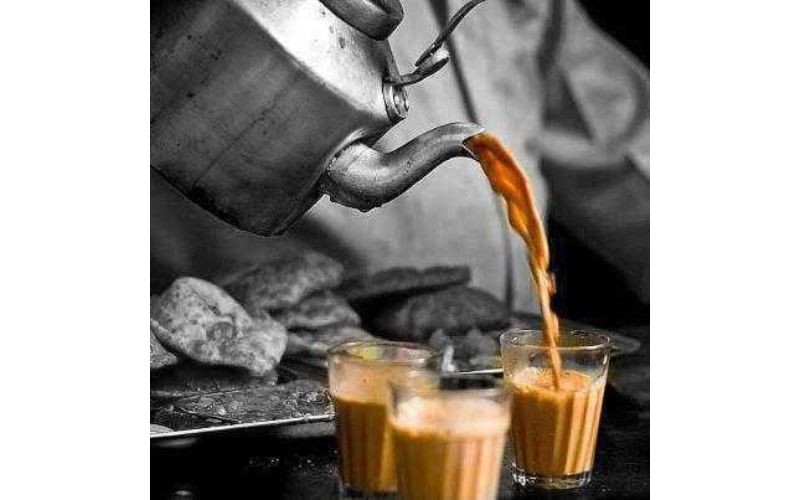
Nepali milk tea, or chiya, is brewed by boiling tea leaves directly with milk, water, and sugar – closer in style to Indian masala chai than to Western tea service, though often lighter on spice. It's made fresh, in small batches, throughout the day. Offering a guest chiya isn't optional politeness in Nepal; it's close to a social requirement. Walk into almost any home, shop, or office and a glass will appear within minutes of sitting down.

Street-side chiya pasal (tea stalls) are where this culture is most visible. These small stands, often just a bench and a kettle, function as informal community hubs – a place to catch up on news, settle small disputes, or simply pause between errands. The price is low, the pours are frequent, and the conversation is usually the real point.
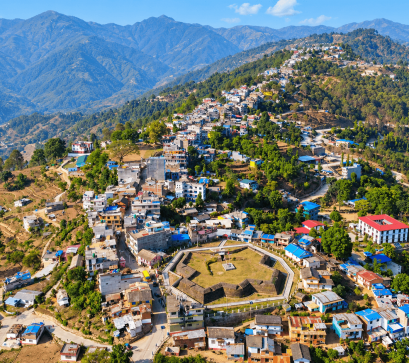
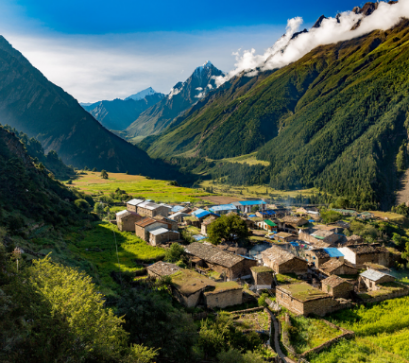
Beyond the roadside stall, Nepal's tea house culture extends into trekking regions and small towns, where tea houses double as guesthouses, meeting points, and informal information exchanges for travelers. In the hills, a tea house might be the only public gathering space in a village — the location for everything from local news to trekking route advice.
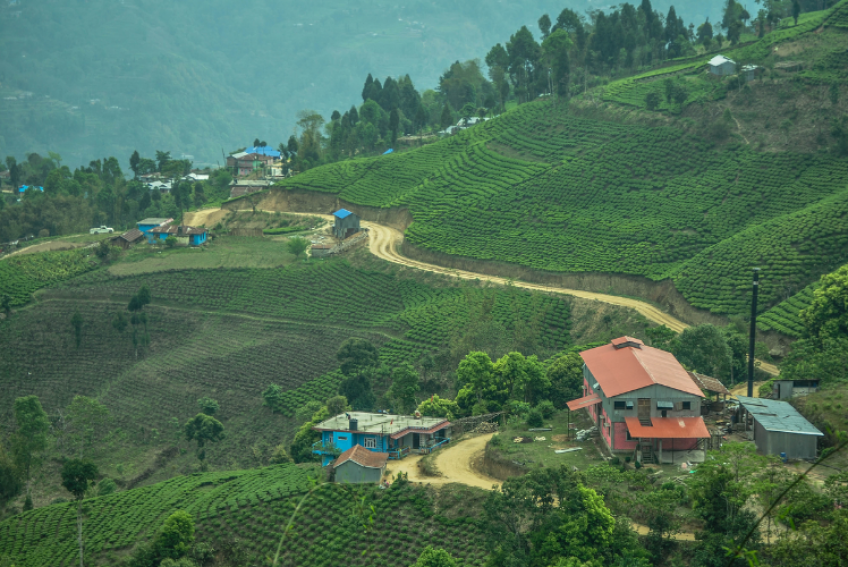
While chiya is a household ritual, Nepal is also a serious tea-producing country, and its growing regions tell their own story:
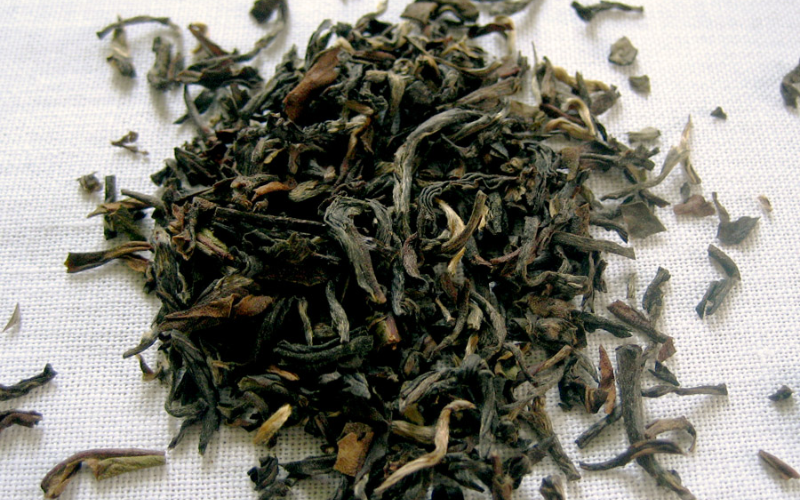
Orthodox Nepali tea – hand-processed, whole-leaf, and slower to produce than CTC – has become something of a quiet point of national pride, gaining traction with specialty tea buyers who prize its delicate, sometimes muscatel-like flavor.
What makes Nepali tea culture distinct is the coexistence of these two worlds: the daily, communal glass of milky chiya poured at every corner stall, and the increasingly refined, export-grade orthodox teas coming out of the eastern hills. One is about ritual and hospitality; the other is about craft and quality. Both come from the same plant, and both say something true about how Nepal relates to tea – as something to be shared first, and appreciated second.
Next time you're handed a glass of chiya in Nepal, know that you're holding both ends of that story at once.


.png)