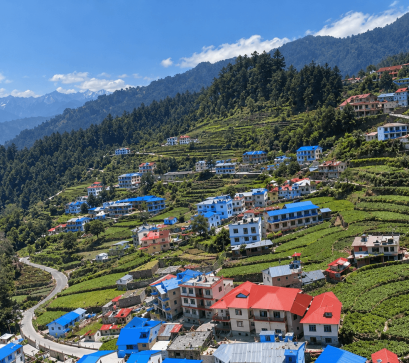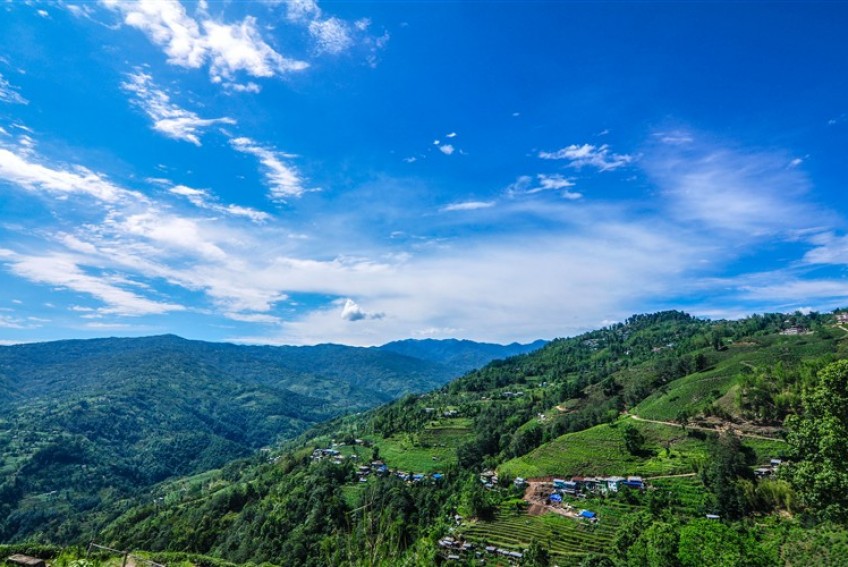
Tea season in Ilam runs March through November, but it comes in flushes, not one continuous stretch. The first flush, from March to May, produces the most delicate and prized leaves and coincides with the most visible plucking activity in the gardens. A second flush follows through May and June, known locally for its honey-toned muscatel character. Then comes the monsoon flush from July into September, when the gardens are at their greenest but also their wettest. The autumn flush, September through November, rounds things out with fuller-bodied tea and drier trails.
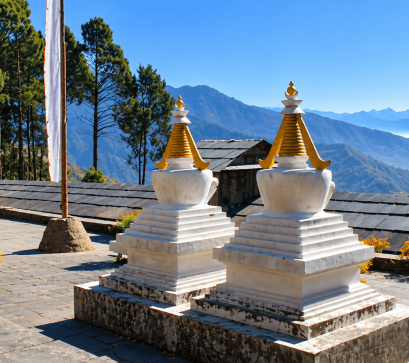
Clear skies for Pathibhara follow a different rhythm. The pre-monsoon window, roughly March to early June, and the post-monsoon window, September to November, are when Kanchenjunga and the Jannu Himal actually show themselves. Once the monsoon sets in around mid-June, cloud cover on the ridge routinely blocks the view, and it often stays that way until the rains clear in late September. Winter technically offers dry air, but snow on the upper trail toward the temple makes the walk harder and colder than most travelers want.
Line the two up and you get two genuine sweet spots: April and October. Both months sit inside a tea flush, both fall within the clear-sky windows, and both avoid the worst of the monsoon and winter cold. April edges out for tea, since it is deep in the first flush and the gardens are actively being picked. October edges out for reliability of mountain views, since the monsoon has just cleared and the air holds less haze than spring can carry in.
A few practical notes worth building into the plan. Ilam to Taplejung is roughly six hours by road, so the two destinations are not a single-day pairing. The temple itself is reached by trekking from Phedi, about four hours uphill, since the long-discussed cable car project remains stalled amid an ongoing legal and indigenous rights dispute and is not something to plan a trip around. Pack layers regardless of season. Even in April, temperatures at altitude near Pathibhara can sit close to freezing before sunrise, which happens to be the best time to catch the mountains before clouds build later in the day.