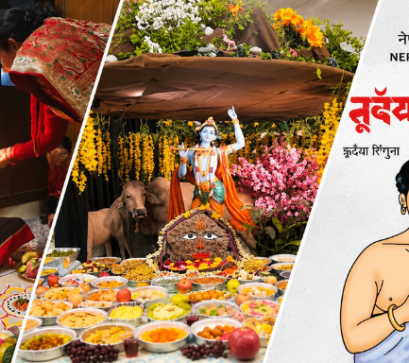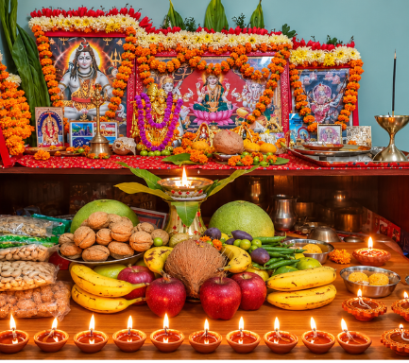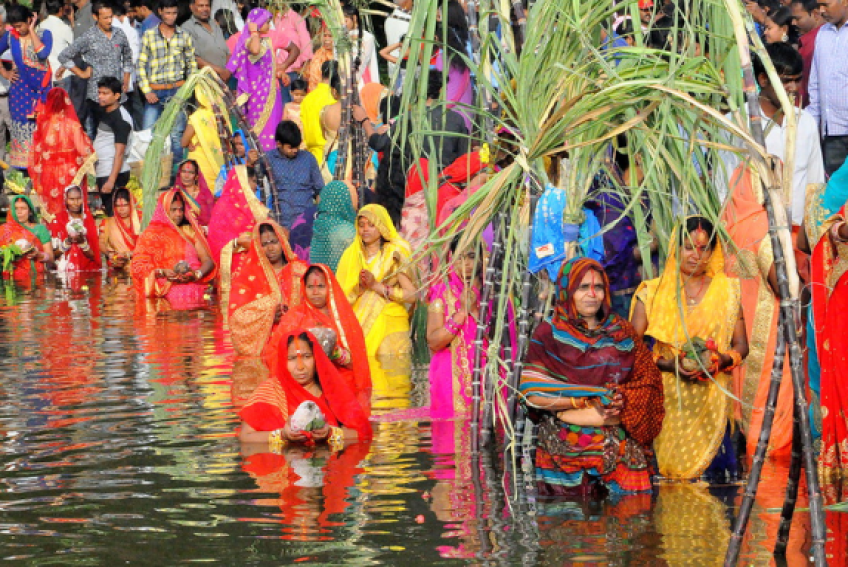
Chhath Puja, one of Nepal's most significant Hindu festivals, is being celebrated from November 13 to 16, 2026. Dedicated to Surya, the Sun God, and Chhathi Maiya, the festival honours nature, family well-being and the life-sustaining power of sunlight.
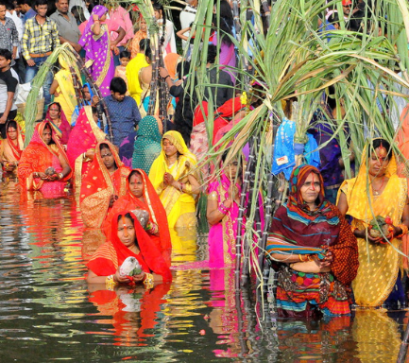
Deeply rooted in the cultural traditions of Nepal's Madhesh and Terai regions, Chhath has become an increasingly visible celebration in Kathmandu and other parts of the country. Its distinctive rituals involve offering prayers to both the setting and rising sun.
The festival follows four days of traditional observances, each carrying its own religious significance.
The main Chhath observance falls on November 15, which is also a public holiday in Nepal.
Chhath represents gratitude for sunlight, agricultural prosperity and the natural resources sustaining human life. Devotees pray to Chhathi Maiya for their children's protection, family happiness and good health.
Hindu traditions associate the festival with stories of Sita, Karna and Draupadi. These connections belong to religious belief and folklore rather than independently established historical events.
For many worshippers, Chhath also involves an approximately 36-hour fast without food or water, reflecting personal devotion and religious discipline.
Janakpur and other communities across Madhesh remain important centres of Chhath celebrations, where families gather at decorated ponds and riverbanks.
In Kathmandu Valley, preparations were reported at 17 locations in 2026, including Gaurighat, Kamal Pokhari, Guheshwari and the Bagmati riverbanks. These arrangements reflect the festival's growing visibility beyond its traditional strongholds.
Chhath Puja is more than a religious observance. Through traditional offerings, family gatherings and prayers to the sun, it preserves a living cultural heritage shared across generations.
As devotees welcome the rising sun on November 16, the festival concludes with a message of gratitude, renewal and togetherness.