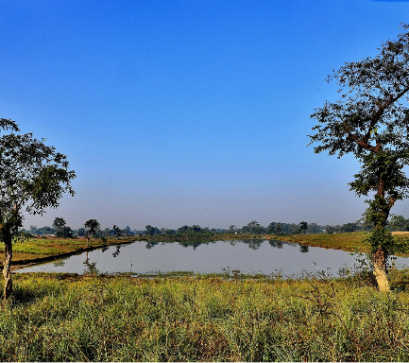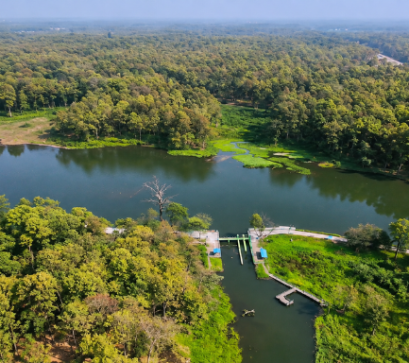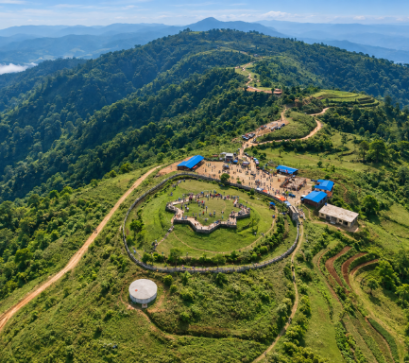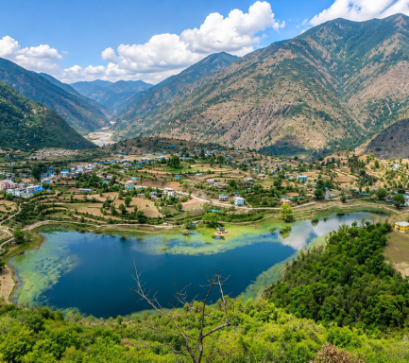
Hidden within the history of Rara Lake in Mugu District, Karnali Province, lies the story of Chhapru (छाप्रु), a former lakeside settlement that once stood near Nepal’s largest lake. Today, the village no longer exists as an inhabited settlement at its original location, but its history survives through government records, former residents' memories and religious heritage.
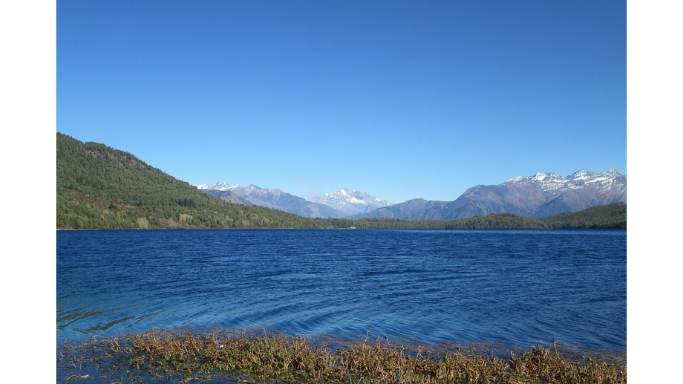
Chhapru was one of three historical settlements associated with Rara Lake, alongside Rara and Murma. According to a 2020 Kantipur report based on former residents' recollections, Chhapru was home to Chhetri families who depended on farming, livestock and surrounding natural resources.
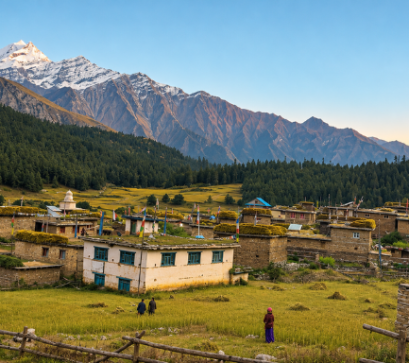
Life followed the mountain seasons. Residents cultivated potatoes, beans and buckwheat, raised livestock and moved to lower settlements during harsh winters. Their houses were constructed using locally available wood, stone and mud to withstand the cold Himalayan climate.
Chhapru's history changed when Rara National Park was established in 1976 (2032 BS) to protect the lake and its surrounding ecosystem.
According to the Government of Nepal's Rara National Park Management Plan, residents of Chhapru and neighbouring Rara village were relocated to the lowlands of Banke and Bardiya districts to protect the lake's environmentally sensitive catchment area.
The displacement occurred primarily during 1978–1979. Families left behind their ancestral homes, farmland and familiar surroundings. Former residents interviewed by Kantipur described difficult journeys and hardships after reaching the Terai, including unfamiliar heat, inadequate shelter and illness.
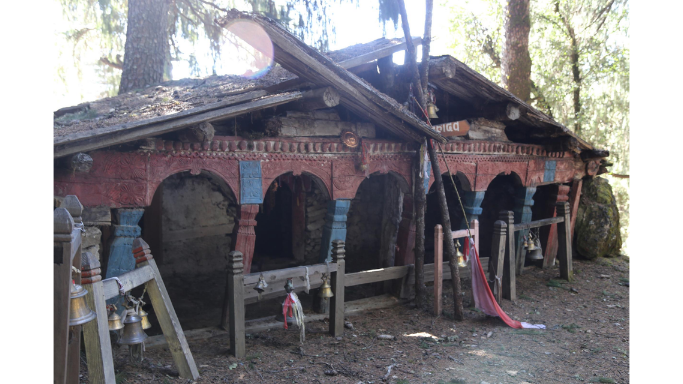
Although the village disappeared, its religious identity remains historically significant.
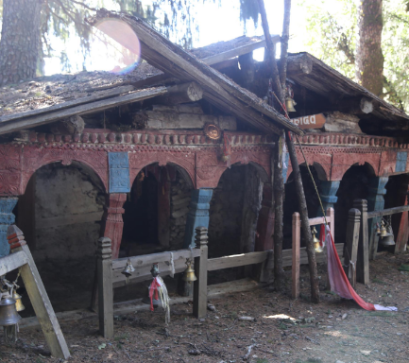
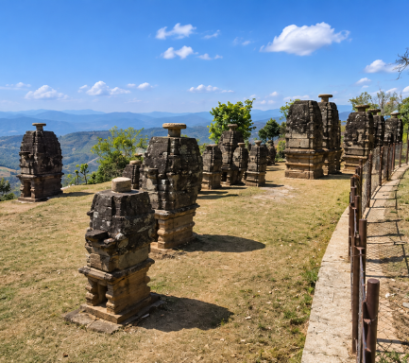
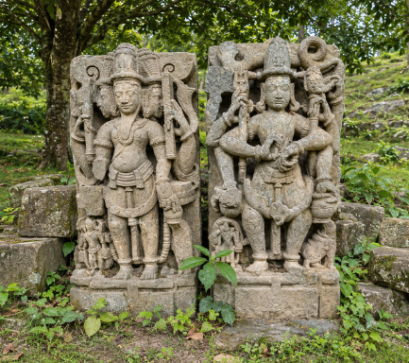
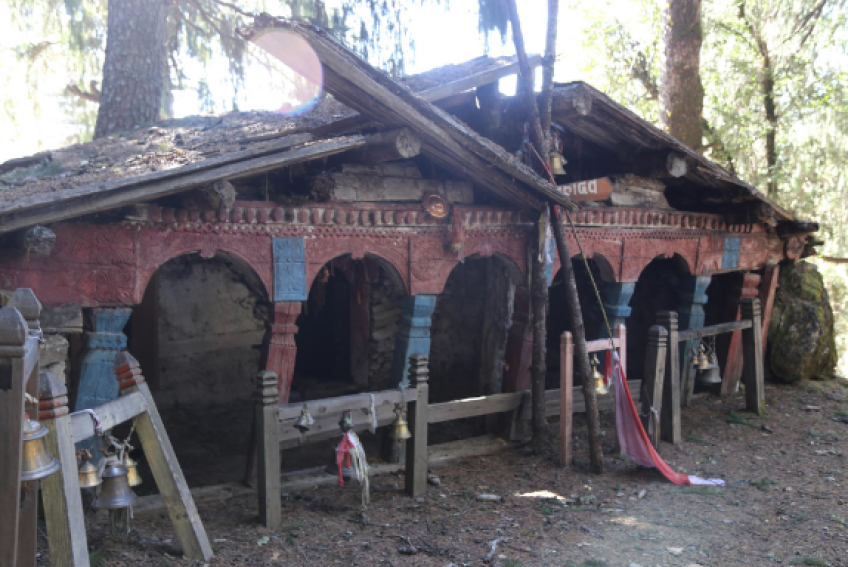
Chhapru Mahadev, a shrine associated with the former settlement, is officially recognised among the religious sites of Rara National Park.
Historical accounts describe the shrine's spiritual importance to villagers and the emotional impact of leaving their ancestral places of worship. The park's management plan also records the construction of a viewpoint structure near Chhapru Temple.
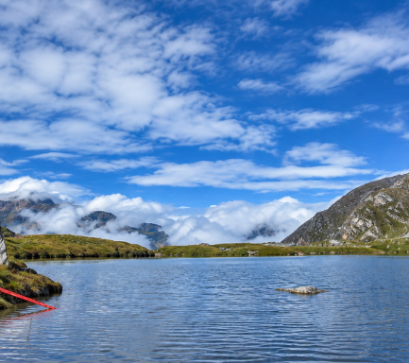
Rara National Park now covers 106 square kilometres, while Rara Lake received international recognition as a Ramsar wetland in 2007. The region attracts visitors for its forests, mountain scenery and remarkable natural beauty.
Yet Chhapru offers another perspective on this landscape. Its history reveals the human consequences of conservation and the experiences of communities displaced from their ancestral homeland.
Chhapru may have disappeared from Rara Lake's shores, but its story remains an important part of the region's cultural and historical identity.