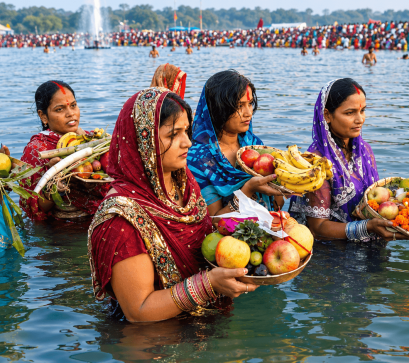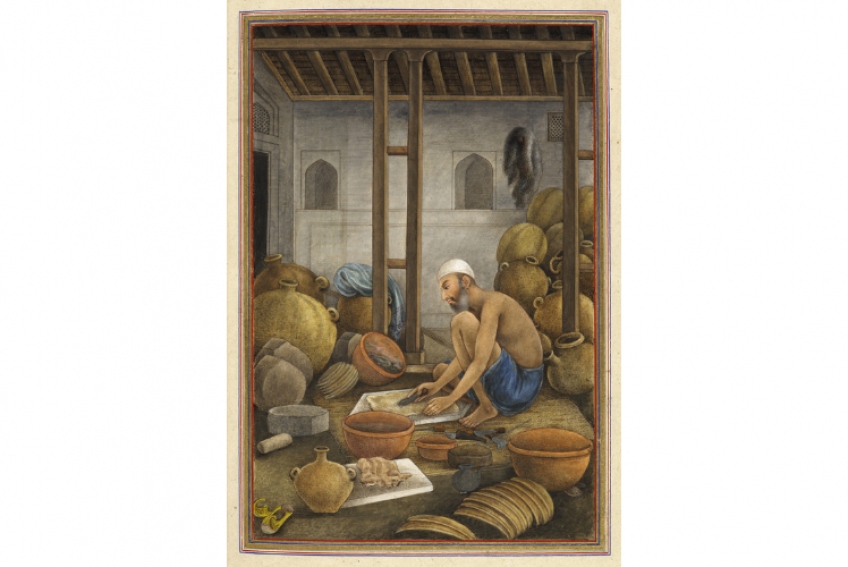
Long before "sustainable craftsmanship" became a marketing phrase, the Chamar community of Nepal's Terai were already living it – turning raw hide into shoes, harnesses, drums, and tools using nothing but hand skill, natural tanning agents, and knowledge inherited across generations. Scattered across the plains districts of Province 1, Madhesh Province, and Lumbini Province, this community represents one of South Asia's oldest continuous craft traditions, and one that rarely gets the recognition it deserves.
This is their story – not just as a caste group listed in a census, but as custodians of a skill that predates modern industry and continues to define rural economies across the Terai belt.
The Chamar are a Terai-origin community counted among Nepal's Madhesi Dalit groups, with roots tracing back to the broader Chamar community found across the northern Indian plains, Bihar, Uttar Pradesh, and the Nepal border districts. Nepal's 2011 census recorded over 335,000 Chamars, concentrated overwhelmingly in the Terai lowlands where seasonal flooding, alluvial soil, and proximity to livestock-rearing communities historically shaped their craft.
Their name is drawn from the Sanskrit carmakāra, meaning "worker in hide" – a direct nod to the trade that has defined the community's identity, economy, and cultural pride for centuries.
In villages across the Terai, leatherwork was never an isolated trade – it was woven into the agricultural calendar itself. Bullocks needed harnesses. Farmers needed footwear that could survive monsoon mud. Households needed ropes, drum skins, and storage containers. The Chamar artisan was the person who made rural life functional, turning a by-product of animal husbandry into tools that entire villages depended on.
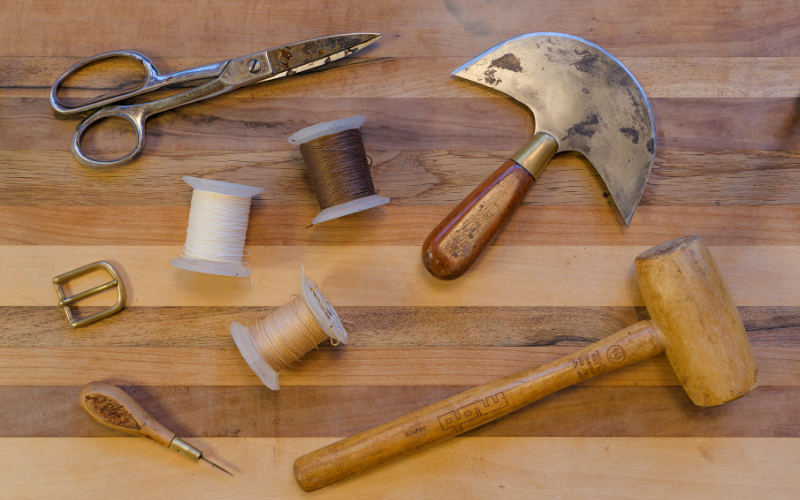
Traditional techniques include:
This is artisanal chemistry, mechanical engineering, and design sensibility rolled into one – refined over generations without a single manual or training institute.
Across the wider Chamar community of the Indian subcontinent, no figure looms larger than Guru Ravidas, the 15th-century bhakti poet-saint born into a Chamar family whose teachings on equality, devotion, and human dignity remain a spiritual and cultural anchor.
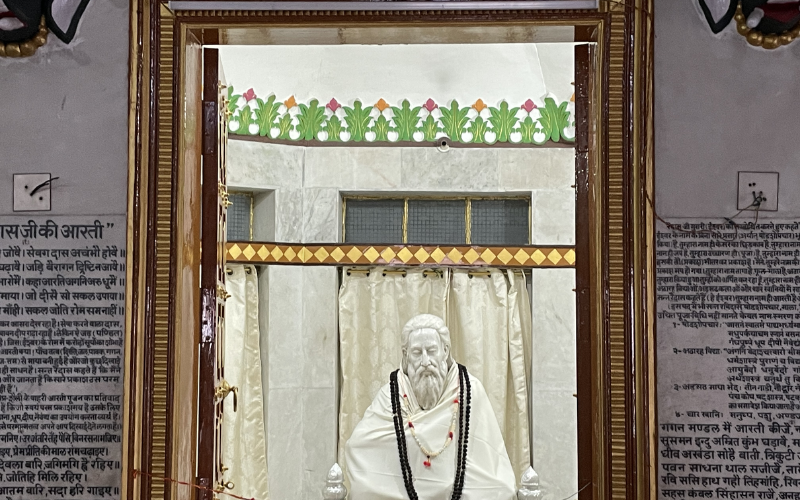
Ravidas Jayanti is observed with deep reverence by Chamar communities across Nepal and India alike, and his verses continue to inform a proud counter-narrative to centuries of social marginalization – one that frames leatherwork not as a mark of lesser status, but as a skilled, essential craft deserving of respect.
The living heritage of Chamar leatherwork exists alongside real economic hardship. Many Chamar households in the Terai hold less than half a hectare of land, limiting agricultural income and pushing families toward seasonal wage labor or cross-border migration for leather-related work in India. Access to formal credit remains limited, and market demand for hand-tanned leather has been squeezed by cheaper factory alternatives.
Yet this is precisely why the craft matters as heritage: it survives not because it is commercially easy, but because it is culturally irreplaceable. Constitutional protections under Nepal's 2015 Constitution recognize Dalit communities' right to be free from caste-based discrimination, and slowly, cooperative and NGO-led initiatives are working to connect traditional leatherworkers with fairer markets, design support, and training – echoing similar revival efforts among Nepal's Sarki leatherworking community in the hills.
Unlike museum artifacts, Chamar leatherwork is not preserved behind glass – it is used every day, in every Terai village, by farmers, families, and traders who rely on hand-tanned goods for daily life. That continuity, unbroken across generations, is what separates a "living heritage" from a historical relic.
As Nepal's handicraft sector looks outward for export potential and cultural tourism grows around the Terai's plains culture, there is a genuine opportunity: to bring visibility, fair pricing, and dignity to the artisans who have quietly kept this craft alive since long before it had a name worth marketing.
The story of the Chamar leather workers is not a footnote in Nepal's cultural history – it is a central thread of it. Their skill turned raw material into the tools of rural survival, their resilience carried a trade through centuries of social exclusion, and their continued practice today keeps a genuinely ancient craft breathing in the modern world. Recognizing that is the first step toward ensuring it doesn't disappear.