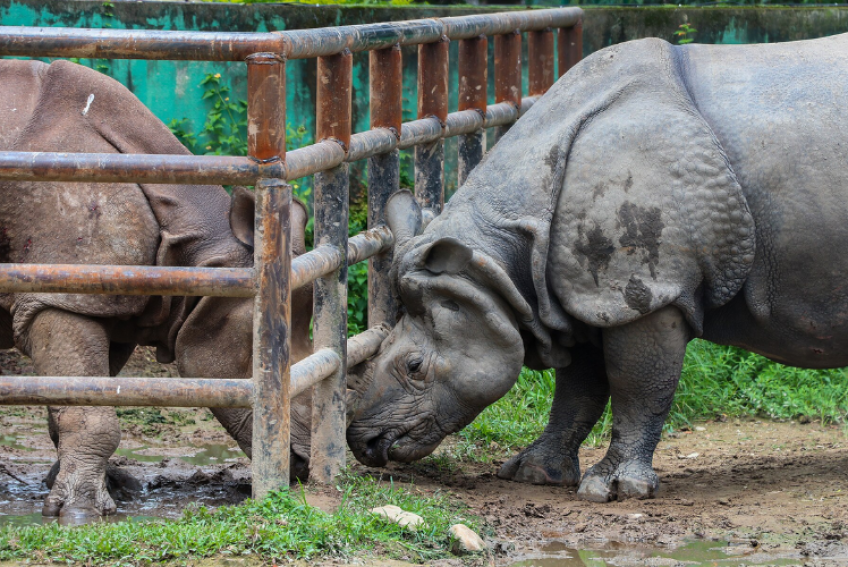
Nepal’s rhino recovery is one of the most powerful conservation success stories in Asia. In the 1960s, the country’s greater one-horned rhino population had fallen to fewer than 100, placing the species at serious risk. By the 2021 national census, Nepal’s rhino population had climbed to 752, showing how sustained protection and conservation planning can reverse decline when action is persistent and coordinated.
The 2021 census reported 752 rhinos across Nepal, compared with 645 in 2015. Of the 752, 694 were in Chitwan National Park and surrounding forests, 38 in Bardiya, 17 in Shuklaphanta, and 3 in Parsa. The total marked a 107-rhino increase, or roughly 16.6 percent, over the previous census, which made the result a major milestone for wildlife protection in the country.
One major reason for this rebound is strict anti-poaching action. Nepal has used strong patrol systems, protected-area management, and wildlife law enforcement to reduce illegal hunting pressure on rhinos. Conservation organizations have also pointed to community-based protection as a key factor, because local participation helps reduce poaching risks and improves long-term habitat stewardship.
Habitat protection has mattered just as much as policing. Rhinos need safe grasslands, wetlands, and connected protected zones to survive and reproduce, and Nepal has invested in managing those landscapes through national parks and buffer-zone approaches. The country’s conservation model also benefits from regular census work, which helps authorities track population trends and adjust strategies over time.
Another important factor is that conservation in Nepal has become a shared responsibility rather than a single-agency effort. National parks, local communities, conservation groups, and government bodies have all contributed to the recovery effort. That broader partnership helps create resilience, because wildlife protection is strongest when local people have a stake in the outcome.
What makes Nepal’s case especially compelling is that it is not just a rescue story; it is a model for conservation. The country proved that when law enforcement, habitat protection, and community engagement work together, a species can recover even after a severe collapse. That is why Nepal’s rhino population is often cited as one of the region’s most encouraging wildlife success stories.
Picture Credits: Wikimedia Commons