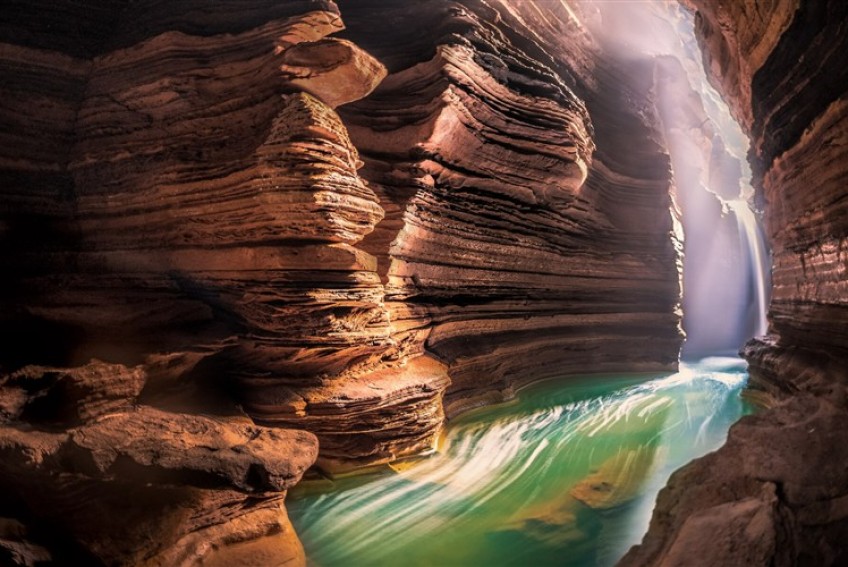
Located in Batulechaur, about 30 minutes by taxi from Lakeside, Mahendra Cave is Pokhara's most accessible cave and its most visited. Local shepherds discovered it in the early 1950s under the name "Adhero Bhawan" (Dark House); it was renamed after King Mahendra visited in 1959 following a write-up by culture scholar Satya Mohan Joshi. At around 200 metres long, it's a short, well-lit walk past limestone formations that genuinely glitter under torchlight, ending at a small Shiva shrine. Entry runs roughly Rs 50 for Nepali citizens, Rs 80 for SAARC nationals, and Rs 150 for other foreign visitors, though it's worth checking current signage since park fees are revised periodically. This is the cave to pick if you're short on time, travelling with kids, or not especially keen on tight spaces.
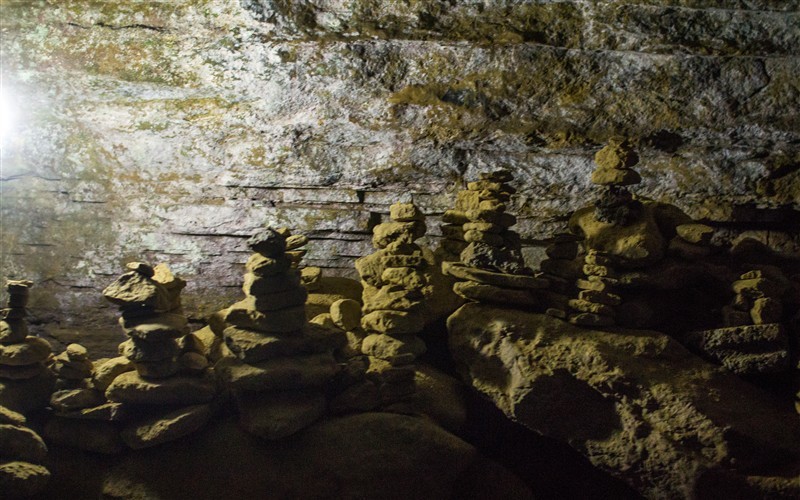
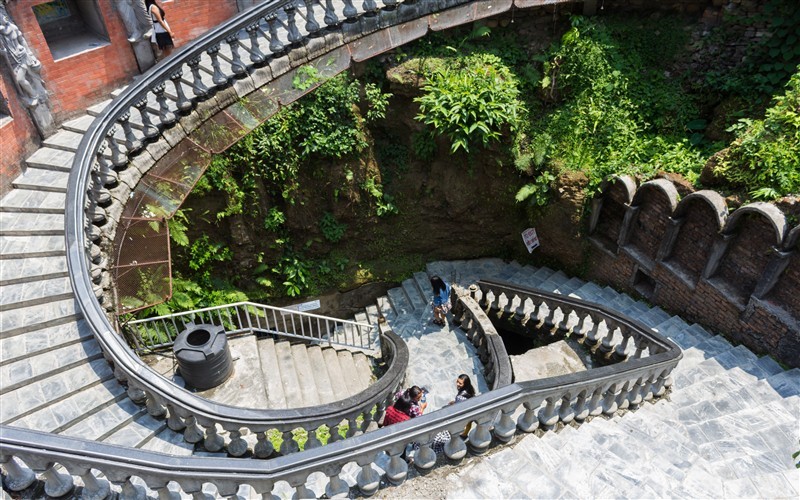
Directly across from Devi's Falls in Chhorepatan, Gupteshwor Mahadev is both a cave and an active pilgrimage site — one of the longest cave systems in the area, with passages stretching past 2,000 metres, though only a portion is open to visitors. Inside, a naturally formed Shiva lingam has drawn devotees since locals reportedly discovered and consecrated it decades ago, and the cave holds a further attraction the others don't: it's where the water from Devi's Falls disappears underground before resurfacing, so you can actually stand where "Patale Chango" — the underground waterfall — thunders through the rock. Some sections require crouching and there are damp, slippery patches, so proper shoes matter here more than at Mahendra. This is the pick if you want atmosphere and a genuine sense of discovery alongside the geology.
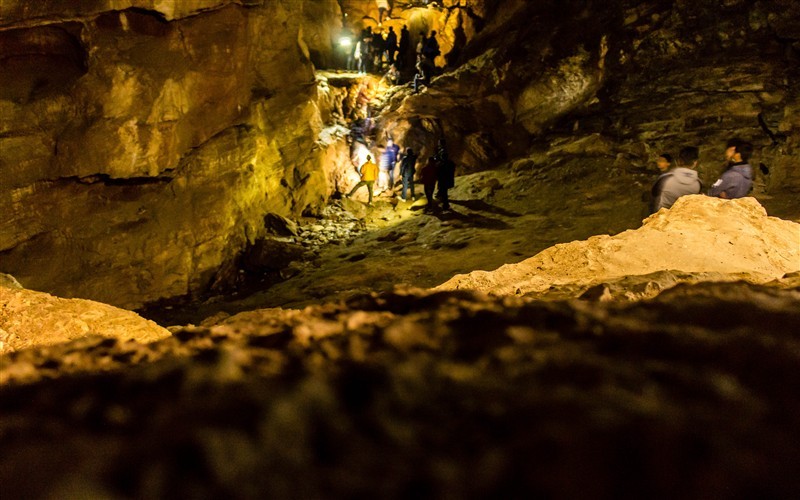
A ten-minute walk from Mahendra Cave, Chamero Gufa is unlit, narrow in places, and home to thousands of bats — mostly horseshoe and roundleaf species, among the eleven bat species recorded in Pokhara Valley. Discovered by locals in 1986 and now managed by a nearby school, it has a single narrow exit that requires a bit of climbing, which locals half-jokingly say only a "pure soul" can pass through cleanly. Expect to carry or rent a flashlight; entry fees run close to Mahendra Cave's foreigner rate. Skip this one if you're claustrophobic or squeamish about bats overhead — otherwise it's the most memorable half hour of the three.

Two lesser-visited caves, Harihar and Kumari, round out Pokhara's cave count for travellers who've already done the big three and want something quieter, though they're less developed for tourism and best approached with a local guide. And if the scale of a cave matters more to you than convenience, Nepal's actual largest cave — Siddha Gufa, at roughly 437 metres deep and 50 metres high, big enough to hold around 2,500 people — isn't technically in Pokhara at all. It's near Bandipur in Tanahun district, about halfway between Kathmandu and Pokhara, reachable by a scenic 45- to 90-minute hike depending on your starting point. Many travellers based in Pokhara treat it as a worthwhile day trip rather than a same-city stop.
If you only have time for one: Gupteshwor Mahadev, for the combination of spiritual weight and the waterfall connection. If you're building a half-day cave circuit: pair Mahendra Cave with Chamero Gufa, since they're a short walk apart and offer contrasting experiences — one polished and lit, one raw and dark. And if you're passing through Bandipur en route to or from Pokhara, Siddha Gufa deserves the detour.