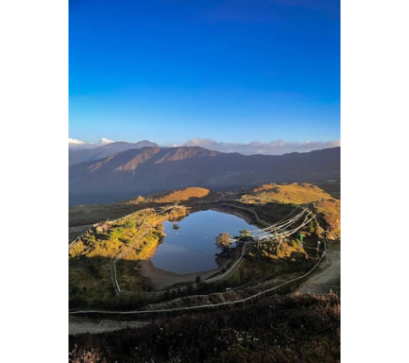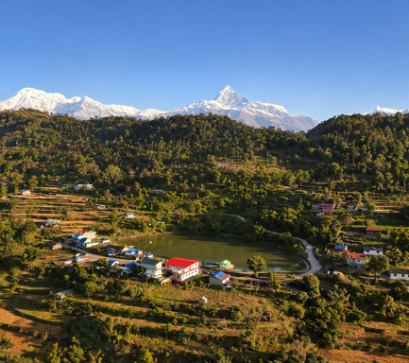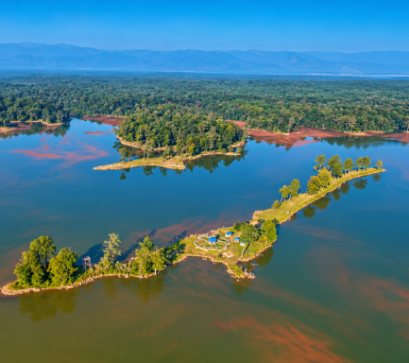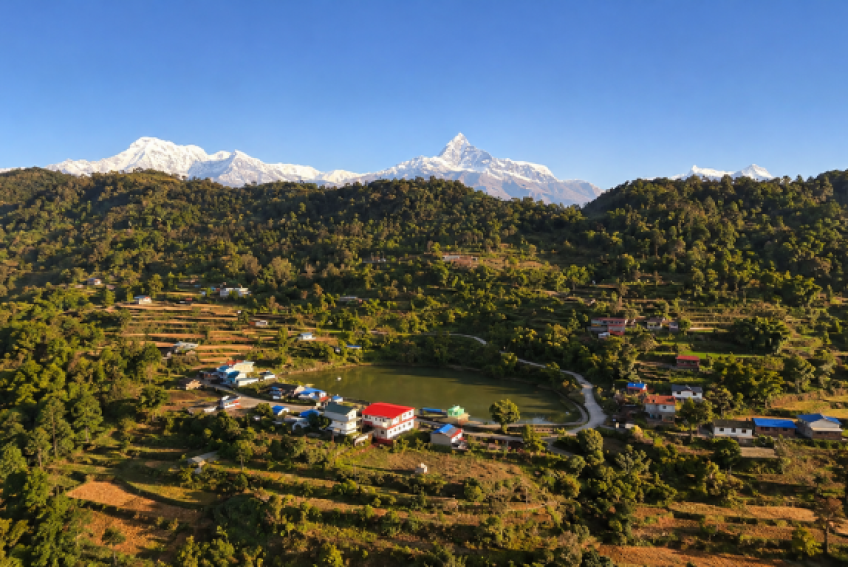
Kashyap Lake, locally known as Thuli Pokhari or Kashyap Tal, lies in Kaskikot, Ward No. 24 of Pokhara Metropolitan City, Kaski District. Covering approximately 30 ropani (1.5 hectares), this historic pond is closely connected to local farming, religious traditions and the cultural landscape of the Kaskikot hills.
Kashyap Lake has long been part of Kaskikot's traditional water system. According to local social worker Thakur Prasad Tripathi, the pond dates back to the Sen dynasty, although its precise construction date has not been independently established.
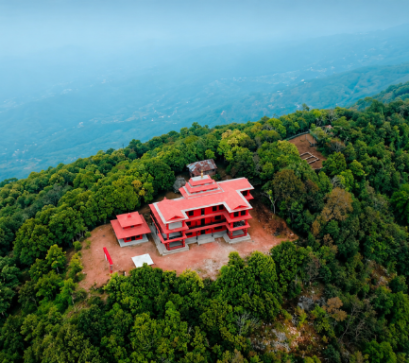
The lake's name also carries religious significance. Local Hindu tradition associates the area with Sage Kashyap, who is believed to have meditated in Kaskikot. Pokhara Metropolitan City's tourism listings recognise this association and connect it with beliefs surrounding the Yajurveda.
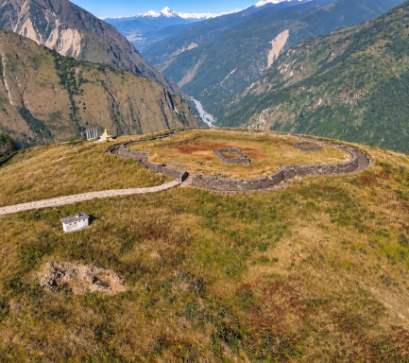
Kaskikot itself holds an important place in the history of the Kaski kingdom and the Shah rulers, adding another layer of heritage to the lake's surroundings.
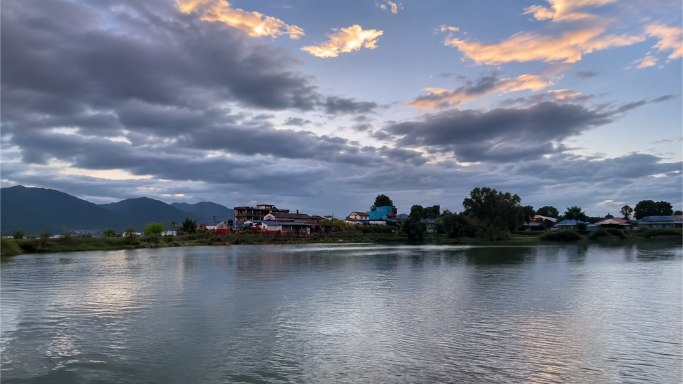
Unlike Pokhara's larger recreational lakes, Kashyap Lake has traditionally served a practical purpose for nearby farming communities.
Together with Maula Pokhari, Khadgam Pokhari and Sani Pokhari, it has supplied water for agricultural activities in Kaskikot. Local farmer Indra Bahadur GC reported that these four ponds supported irrigation across approximately 2,000 ropani of paddy fields.
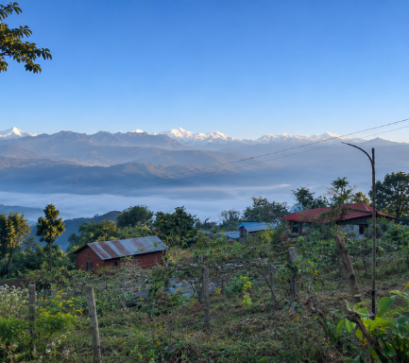
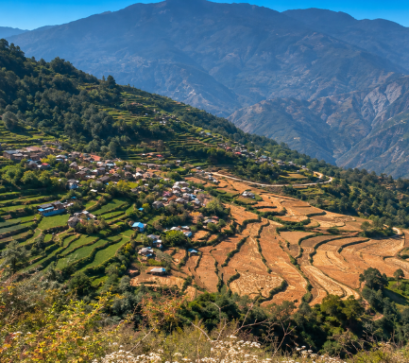
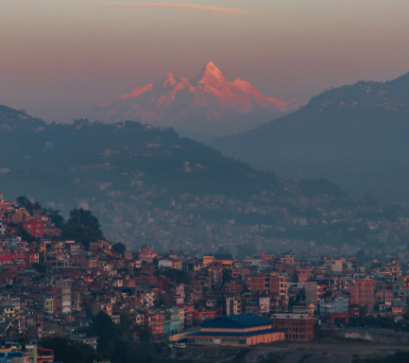
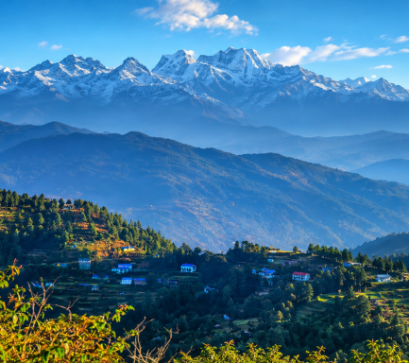
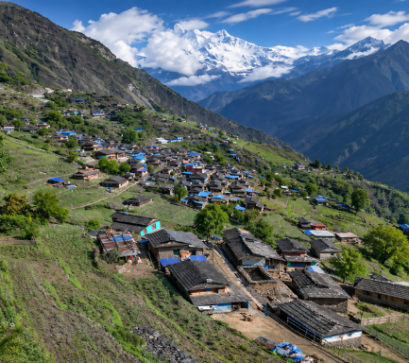
The surrounding Kaskikot hills also offer opportunities to explore rural settlements, agricultural landscapes and views towards the Annapurna and Dhaulagiri ranges.
Despite its historical importance, Kashyap Lake has faced growing environmental pressures.
A report published by The Annapurna Express documented concerns about declining water levels, with residents linking the problem to road expansion, construction activities and damage to natural water sources.
Pokhara Metropolitan City allocated NPR 2.5 million for the pond's conservation in fiscal year 2022/23 and NPR 1.5 million in 2023/24.
These efforts reflect wider concerns about disappearing traditional ponds across Pokhara. Protecting such water bodies is essential for maintaining irrigation systems, local biodiversity and community heritage.
Kashyap Lake represents a quieter dimension of Pokhara's identity, where history, religious beliefs and everyday agricultural life meet.
Its importance extends beyond tourism. For generations, traditional ponds like Thuli Pokhari have supported rural livelihoods while remaining part of local cultural memory.
Preserving Kashyap Lake would help safeguard both an important community water resource and a meaningful part of Kaskikot's heritage.