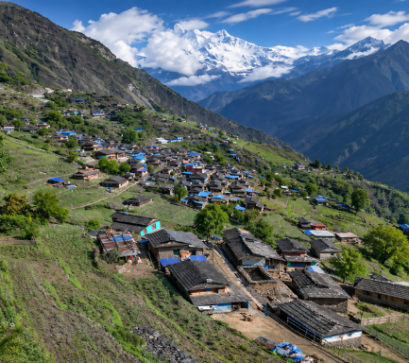
Jyamrung Village, located in Neelakantha Municipality of Dhading District, Bagmati Province, offers a refreshing alternative to Nepal’s popular trekking destinations. With its terraced farmland, traditional houses, Himalayan panoramas and family-run homestays, this rural destination brings together natural beauty, agricultural traditions and an important chapter of Nepal’s royal history.
Formerly a Village Development Committee, Jyamrung became part of Neelakantha Municipality following Nepal’s administrative restructuring in 2017.
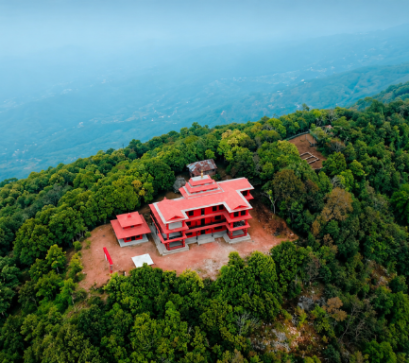
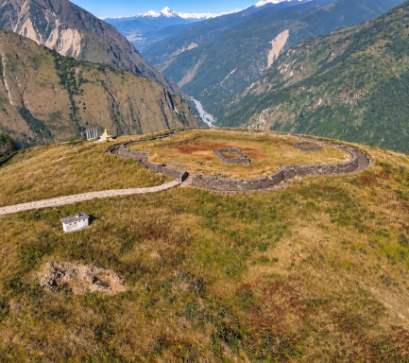
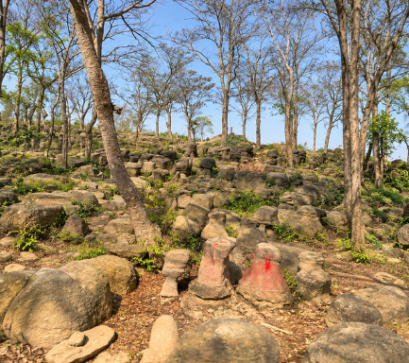
The village holds historical significance through Jyamrung Durbar, also known as Jyamarung Palace, located in Ward No. 11. The palace is associated with the Shah dynasty and is believed to have served as a centre for royal religious rituals and military training.
The palace suffered extensive damage during the Maoist insurgency in 2002. Its last surviving structure, a horse stable, was destroyed by another fire in July 2025. Despite the loss of its physical structures, the palace site remains an important part of Dhading’s historical identity.
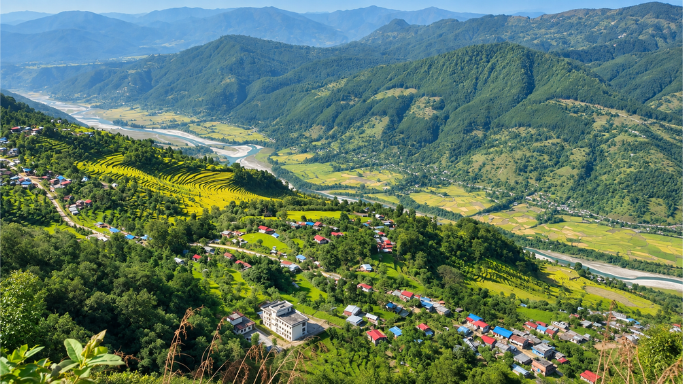
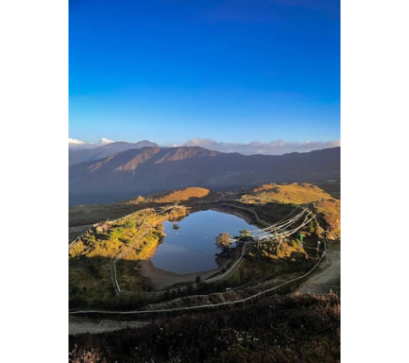
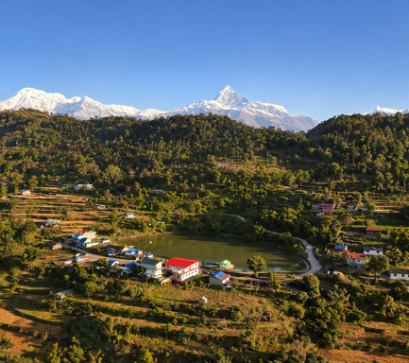
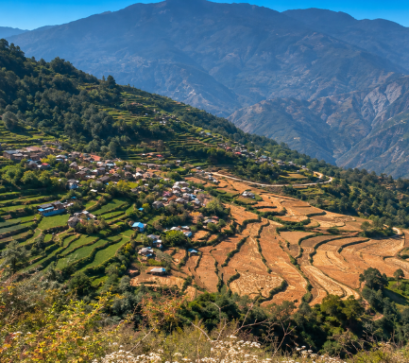
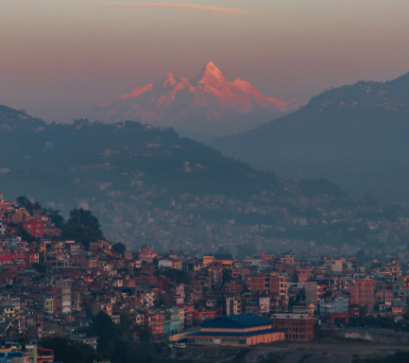
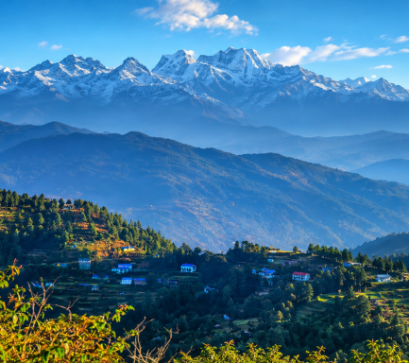
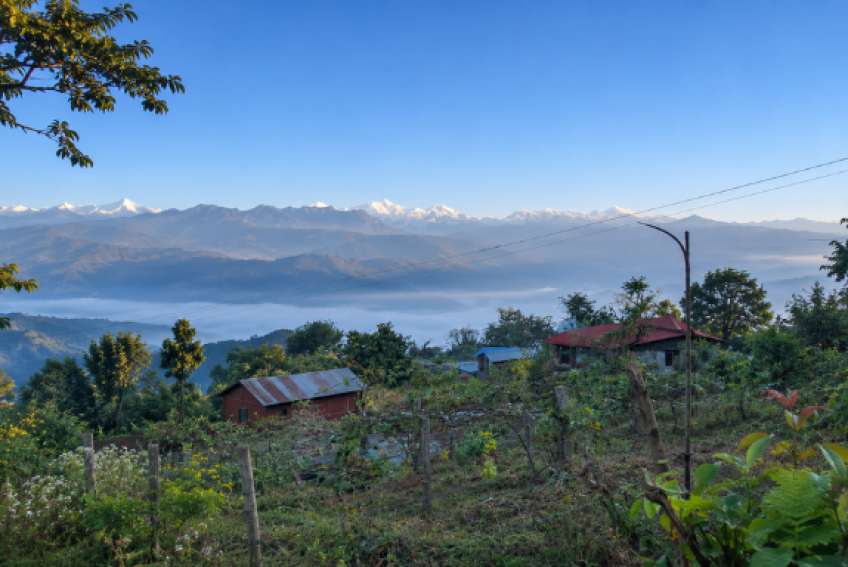
Jyamrung’s landscape is characterised by rolling hills, terraced agricultural fields, forested slopes and scattered rural settlements. On clear days, visitors can enjoy views of Ganesh Himal, Manaslu and the Langtang Himalayan range.
Agriculture and livestock farming form an important part of everyday village life. Traditional houses built using locally available materials reflect the architectural practices of Nepal’s mid-hill communities.
Family-run homestays allow visitors to experience rural hospitality, enjoy home-cooked dal bhat and learn about seasonal farming practices. Depending on their hosts and the agricultural season, guests may also participate in household activities and farm work.
The Jyamrung Trek offers an opportunity to explore Nepal’s countryside without undertaking a high-altitude Himalayan expedition.
Visitors can enjoy scenic village walks, sunrise photography, agricultural landscapes and cultural exchanges with local families. Short trekking itineraries typically combine Jyamrung with Dhading Besi and Gola Bhanjyang, while longer routes explore surrounding settlements.
Travellers can reach Jyamrung from Kathmandu via Dhading Besi, continuing by local transport or on foot, depending on their chosen route.
Spring (March to May) and autumn (September to November) are generally favourable periods for hiking and mountain photography. Monsoon rainfall can make rural roads and walking trails slippery.
Jyamrung represents a quieter side of Nepal’s tourism, where everyday village life is as meaningful as the surrounding scenery. Staying with local families and purchasing locally produced goods can help create additional income for rural households.
Its agricultural traditions, mountain landscapes and royal heritage make Jyamrung a rewarding destination for travellers interested in responsible tourism, cultural discovery and Nepal’s lesser-explored countryside.