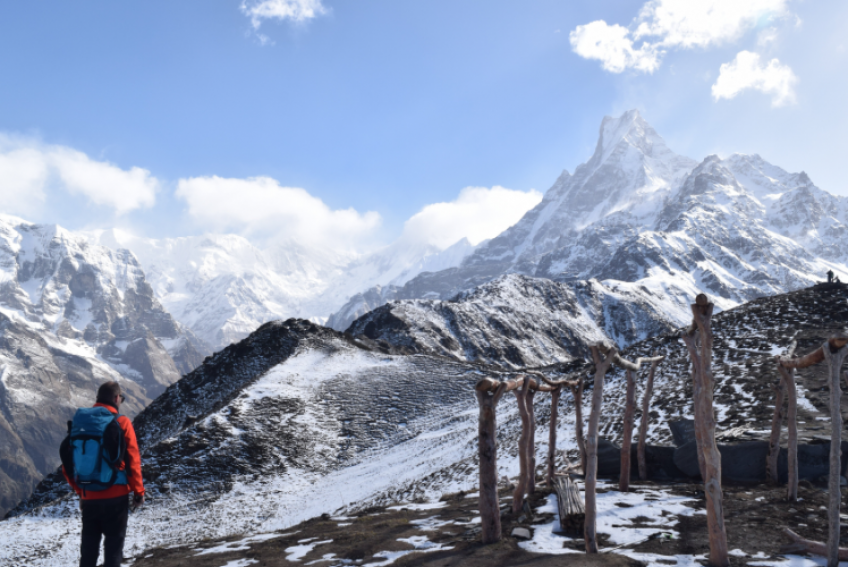
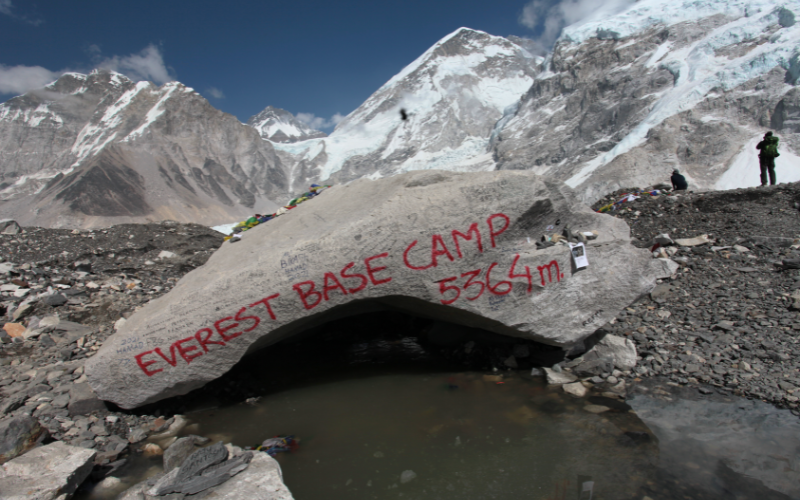
If you want to feel like you've done it – and you should – go to Everest Base Camp. There is no trail in Nepal with EBC's combination of iconic status and raw emotional payoff. Standing at 5,364 meters, looking up at the Khumbu Icefall, is one of those experiences that justifies the airfare, the altitude headache, and the weeks of preparation.
But here's what no one tells first-timers: EBC is not actually the hardest trek in Nepal. It's the most crowded. The teahouse infrastructure is the best in the country. The trail is extremely well-marked. What will break you isn't the terrain – it's the altitude, and the altitude only breaks you if you rush.
Ideal for: First-time high-altitude trekkers who are fit, patient, and willing to do two weeks properly (don't compress it to 10 days). People who want a clear goal and a defined endpoint.
Not for you if: You dislike crowds, you're on a tight budget, or you find the idea of walking the same trail as thousands of others each season a little deflating.
If you want to fall in love with Nepal – not just the mountains – do the Annapurna Circuit. This is the trek the locals recommend when you ask them, off the record, which one they'd choose. The Circuit isn't just a mountain trek – it's a cultural transect.
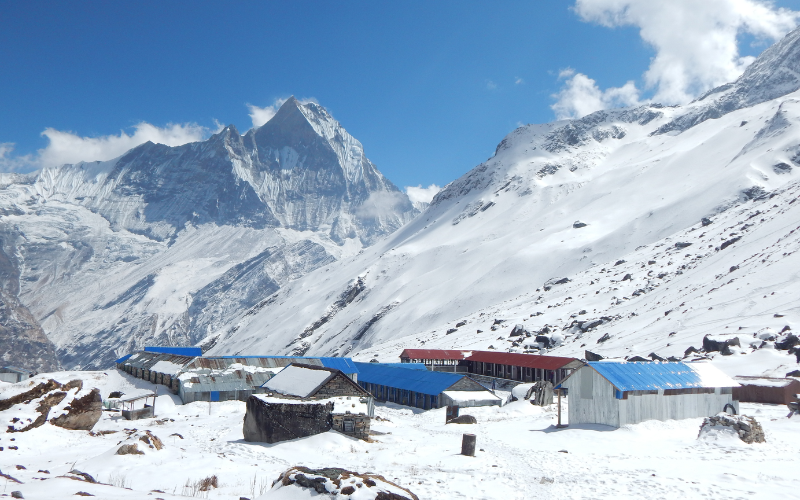
In 12 to 16 days, you pass through subtropical lowlands, terraced rice fields, high alpine desert, and over Thorong La Pass at 5,416 meters. You'll move through Hindu villages that become Buddhist as you climb. You'll eat differently in every valley. You'll watch the landscape change so dramatically it can feel like you've crossed several countries.
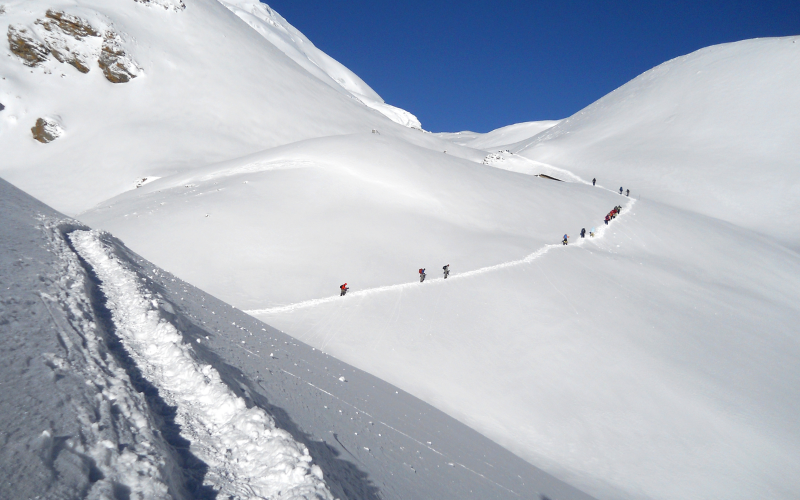
The Circuit has been altered by road construction over the past decade – some sections that were once remote trails now parallel a jeep track. It's a genuine loss. But the full circuit, walked in its entirety, still delivers more variety per step than any other trek in Nepal.
Ideal for: Trekkers who care about culture as much as altitude. People who've done at least one multi-day trek before and want something deeper. Anyone who can handle ambiguity and doesn't need everything to look like the Instagram version.
Not for you if: You have limited time (under 12 days), or you're set on a single iconic summit photo.
If you want Nepal before the crowds found it – and you don't mind earning it – go to Langtang. Langtang was devastated by the 2015 earthquake. The trail community has rebuilt, slowly and with heart, and the valley now receives visitors again. But the numbers are still modest compared to the Everest and Annapurna regions.
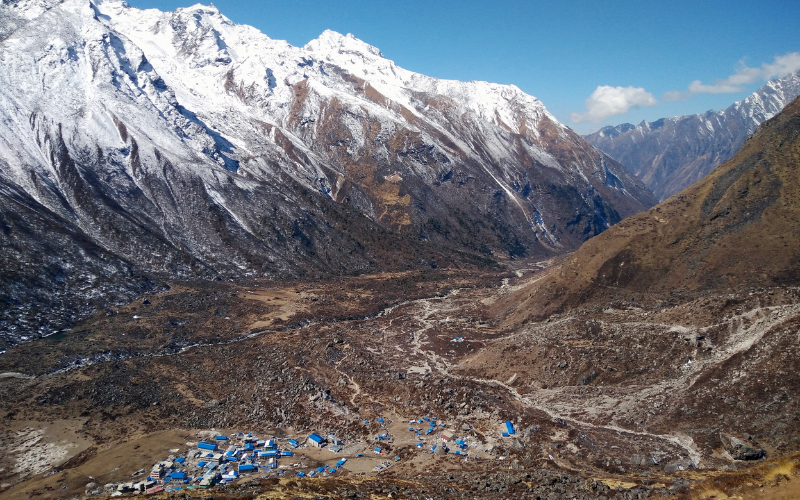
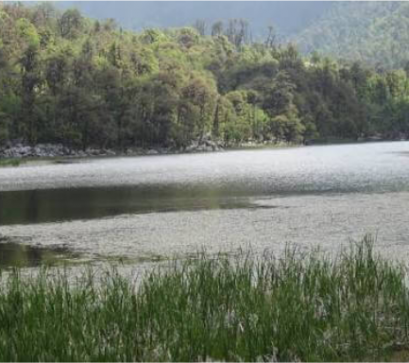
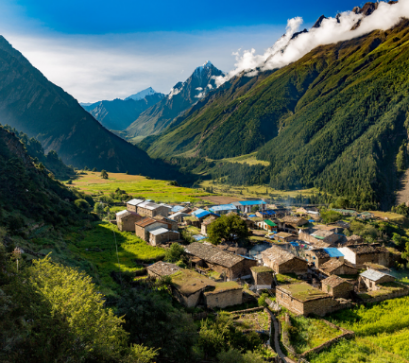
What you get for that: silence. Yak pastures without another group in sight. The Gosaikunda lakes at high altitude. A Tamang cultural experience that feels unperformed.
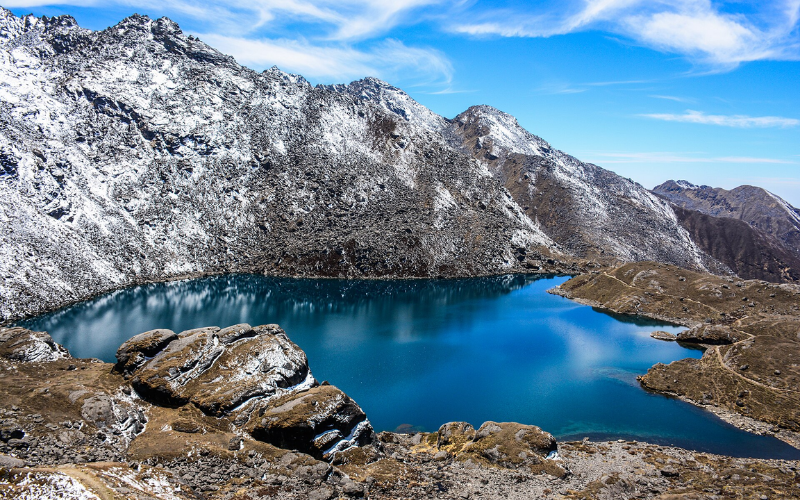
Langtang is also the most accessible high-altitude trek from Kathmandu – roughly 7 to 10 days, without a flight.
Ideal for: Experienced trekkers who want solitude. Travelers with limited time who still want real altitude and real wilderness. Anyone who wants to support a community that is still in the process of healing.
Not for you if: You're a first-time trekker looking for maximum infrastructure and guidance at every turn.
If you want something almost no one talks about – and you can handle a bit of the unknown – look at Dolpo, Mustang, or Kanchenjunga. These are permit-required, logistically complex, and genuinely remote.
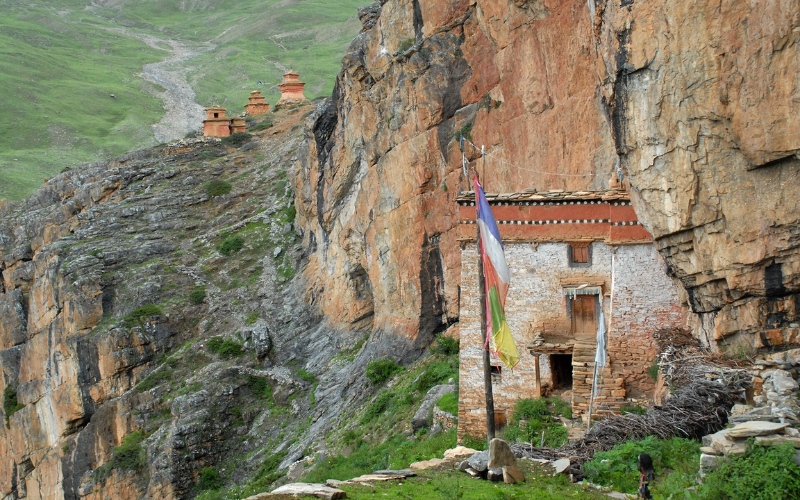
They are not for everyone. But if you're a repeat Nepal visitor who has already done the main trails, these regions will rewire your sense of what this country is.
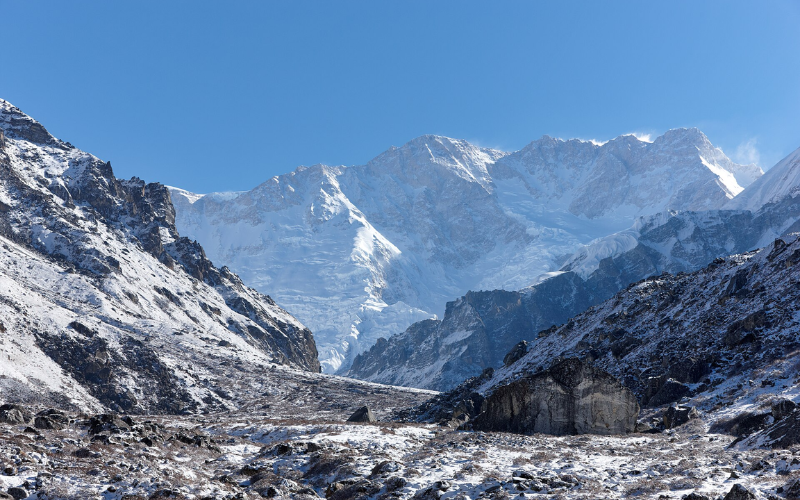
Upper Mustang is a walled medieval kingdom with ochre cliff faces and cave monasteries. Dolpo is the landscape that Matthiessen wrote about in his book, 'The Snow Leopard' – still largely unchanged. Kanchenjunga takes you to the base of the world's third-highest peak through one of the least-visited corridors in the Himalaya.
The honest answer. There is no objectively "best" trek. There's only the best match. Ask yourself: How many days do I actually have – not how many I want to have? Have I ever spent more than three consecutive nights above 3,500 meters? Do I need a summit moment, or am I okay with a journey? Do crowds energize me or deplete me? Answer those honestly, and the right trail usually becomes obvious.
Picture Credits: Wikimedia Commons