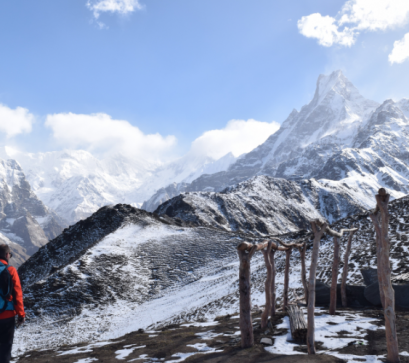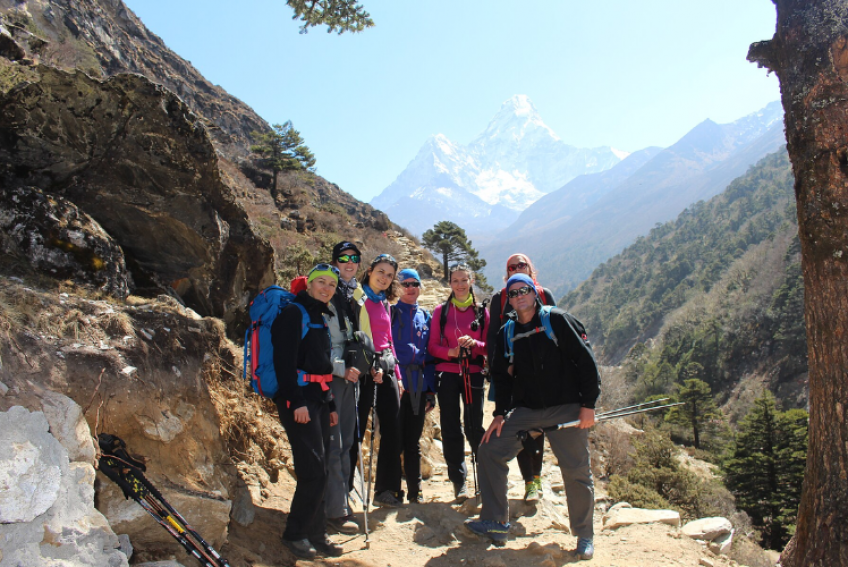
Trekking above 4,000 meters is an entirely different undertaking from a forest walk or a hill hike. The air thins, temperatures swing wildly between day and night, and the consequences of being under-prepared grow with every meter gained. Packing right isn't about luxury – it's about safety and survival.
At altitude, conditions can shift from warm sunshine to driving snow within an hour. The golden rule is to layer. Start with a moisture-wicking base layer – merino wool is ideal because it regulates temperature and resists odor even after several days of wear. Over that, pack a mid-layer fleece or down jacket for insulation. Your outermost shell should be a waterproof, windproof jacket with sealed seams; cheap rain ponchos are no substitute at this altitude. Bring two sets of base layers, one to wear and one to sleep in, always kept dry.
For your lower body, thermal leggings, trekking trousers, and waterproof over-trousers form the essential trio. Gloves are non-negotiable – pack a thin liner glove and a thicker outer mitt. A warm hat covering your ears, a buff or neck gaiter, and UV-blocking sunglasses complete what mountain veterans call the "system."
Your boots are your most important investment. They must be waterproof, ankle-supporting, and already broken in before you set foot on the trail. New boots at altitude mean blisters, and blisters at altitude mean misery. Pair them with moisture-wicking merino socks – bring at least three pairs – and pack lightweight camp shoes or sandals for rest days.
Seasoned high-altitude trekkers never leave without:
Cotton kills in the mountains – it holds moisture and dries slowly, making hypothermia a real risk. Leave the jeans, the casual hoodies, and anything that can't earn its weight. Every gram matters on a long ascent. A total pack weight of 10–12 kg for a multi-day high-altitude trek is a reasonable target.
Pack conservatively, acclimatize patiently, and remember the mountaineer's maxim: climb high, sleep low. No amount of gear replaces good judgment about your body's response to altitude.
Picture Credits: Wikimedia Commons