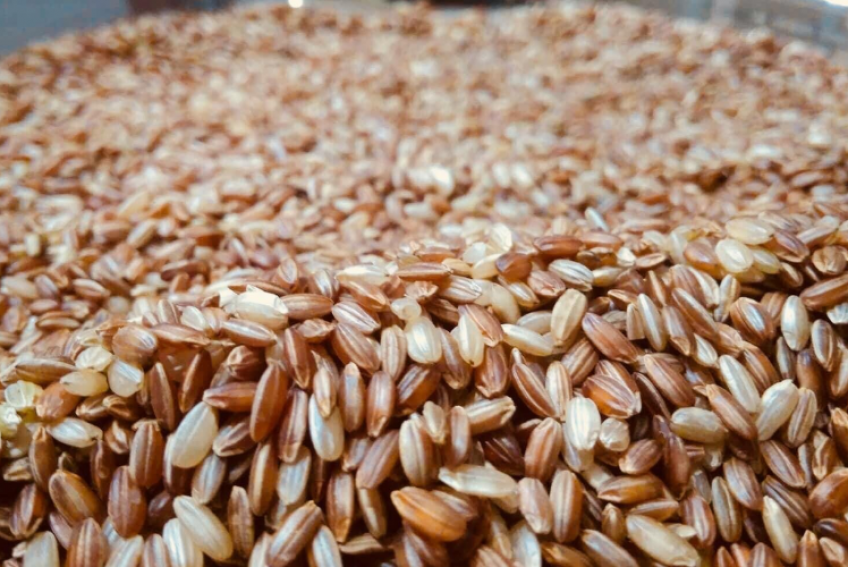
Rice is, by nature, a warm-weather crop, typically thriving in temperatures above 25 degrees Celsius. Marsi rice defies this rule entirely. It carries a rare cold-tolerant gene that allows it to survive temperatures as low as 4 degrees Celsius, making it possible to grow in the harsh, high-altitude climate of the Karnali region. This adaptation has earned Marsi the title of the highest-altitude rice in the world.
The crop demands patience. While most rice varieties mature within a few months, Marsi takes close to nine months from planting to harvest, surviving frost, thin air, and a short growing season that would destroy ordinary rice. Farmers plant it in the month of Jestha (May-June) and harvest it only by Kartik (October-November) – nursing it through the unpredictable mountain weather with little more than manure as fertilizer and snowmelt from glacial rivers for irrigation.
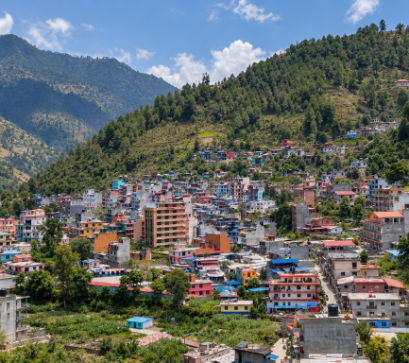
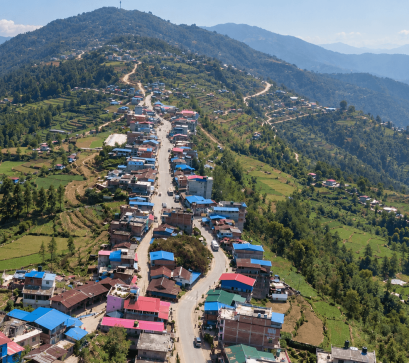
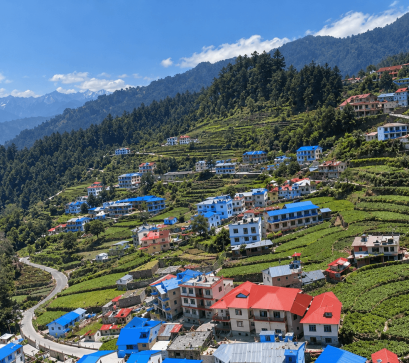
Marsi rice's heartland is Jumla district in Karnali Province, particularly the Sinja Valley and the area known as Chumchaur, where it is grown at elevations of around 3,050 meters above sea level – a height regarded as the world's highest rice-growing zone. Fields stretch along the banks of the Tila and Hima rivers, whose snowmelt provides natural irrigation without dependence on monsoon rains. Cultivation here generally takes place between roughly 2,300 and 3,050 meters, depending on the specific valley and microclimate.
While Jumla remains synonymous with Marsi, smaller pockets of cultivation exist in other high-hill districts of the Karnali and far-western regions, where similarly cold, dry conditions and traditional farming knowledge support the crop. Even so, the variety remains rare. According to agricultural data, Marsi is cultivated on roughly 1,400 hectares in Jumla, producing rice worth hundreds of millions of rupees each year – a modest figure compared to Nepal's major rice belts in the Terai plains, but one that carries outsized cultural weight.
Marsi rice is woven into the social and spiritual fabric of Jumla. Historical accounts describe how Chandannath Baba, during the victory of the Jumla state in the late 1450s of the Bikram Sambat calendar, welcomed King Baliraj Shahi by applying a tika of Kalimarshi rice, a gesture that still echoes in the reverence shown to the grain today. Marshi has been cultivated since prehistoric times and carries nutritional, religious, and cultural significance, with women playing a crucial role in its production.
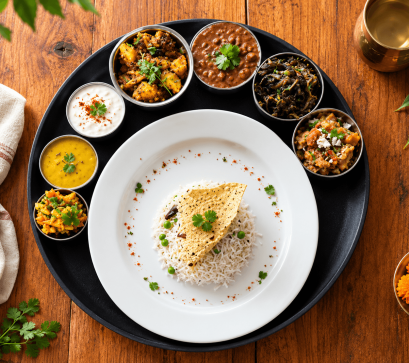
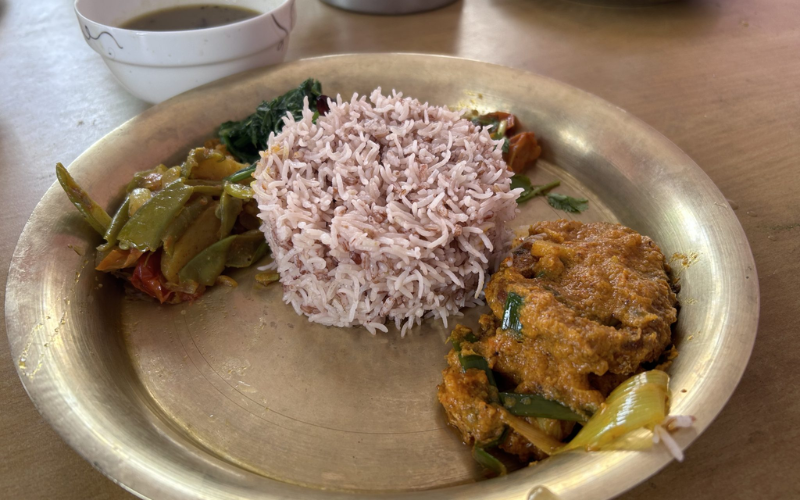
In everyday life, the rice is reserved for special occasions. It is the grain of hospitality, served to honored guests, prepared during weddings, and cooked for festivals. Dishes built around Marsi rice reflect this status. Dhedo, a thick porridge eaten with ghee and local vegetables, is a staple that sustains highland families through harsh winters. Jaulo, a softer, mildly spiced porridge often flavored with turmeric, is traditionally given to the sick because of how easily it is digested. Locals also ferment the grain into Chhyang, a rice beer that accompanies social gatherings and seasonal celebrations. Eating Jumli Marshi rice today is considered prestigious, and it is especially cooked while welcoming guests and during the festive season.
Beyond its cultural prestige, Marsi rice has drawn growing scientific interest for its nutritional profile. Studies show it is rich in fiber at around 2 percent, contains close to 9.7 to 9.9 percent protein – and carries notable amounts of iron, calcium, and phosphorous, while having comparatively low carbohydrate content, making it suitable for people managing diabetes. Its natural red color comes from anthocyanins, antioxidant compounds concentrated in the bran layer, which remains intact because the rice is eaten largely unhulled.
Recent laboratory research has gone further, examining the rice's bioactive compounds for antioxidant, antibacterial, and antidiabetic properties. Scientists studying Jumli Marshi have found it gaining popularity for its potential health benefits related to obesity, hypertension, and diabetes, and have begun building scientific evidence to support these traditional claims. Compounds such as gamma-oryzanol and chlorogenic acid found in the grain have shown promising interactions in laboratory models related to blood sugar regulation – lending early scientific credibility to what highland communities have long believed about the rice's healing qualities.
Despite its prestige, Marsi rice faces a genuine survival challenge. The variety is highly susceptible to blast fungus, a disease that has been damaging roughly a quarter of the crop every year and causing significant economic losses – prompting many farmers to shift toward higher-yielding. The plant's tall height and tendency for grains to shatter before harvest further discourage farmers seeking reliable yields, especially as younger generations migrate away from agriculture altogether.
Recognizing the risk of losing this genetic and cultural heritage, researchers at Nepal's agricultural stations have spent over a decade studying the crop, working toward disease-resistant varieties that preserve Marsi's cold tolerance and distinct character while improving yield and resilience. Conservationists argue that protecting Marsi is not simply about food production but about preserving a piece of living history unique to Nepal's highlands.
Marsi rice tells a story that goes beyond agriculture. It represents the resilience of communities who have, for centuries, coaxed a warm-weather crop into surviving some of the coldest, harshest farmland on the planet. It carries the labor of generations of Jumli women who have planted, harvested, and pounded the grain by hand. It marks celebration and recovery, hospitality and faith, and now, increasingly, a renewed sense of national pride and economic opportunity.
As Nepal looks toward promoting its organic and indigenous agricultural products on the global stage, Marsi rice stands as one of its most distinctive offerings: a rare red grain born from snowmelt and stubborn mountain soil, carrying within it the taste, history, and identity of the Nepali highlands.
Picture Credits: Wikimedia Commons, WordPress


.png)