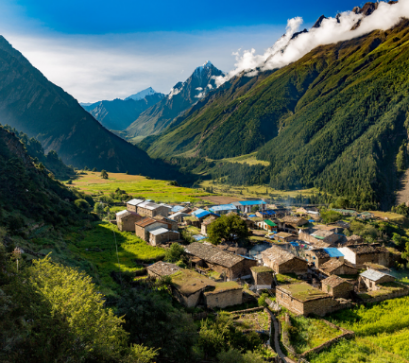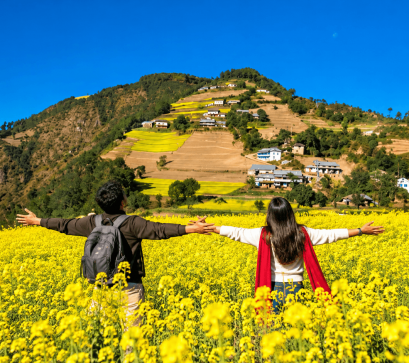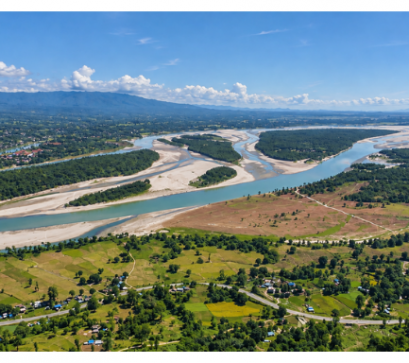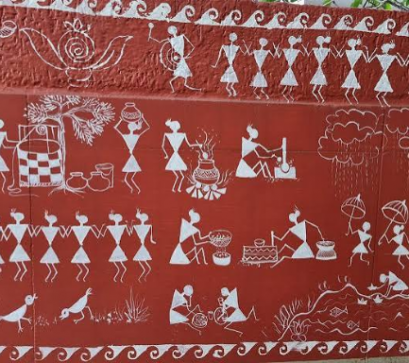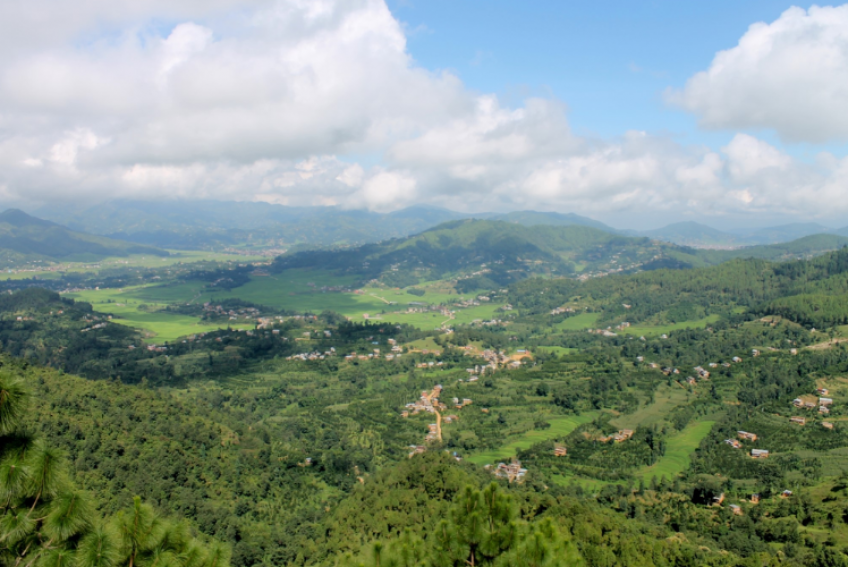
Every year, millions of travelers pass through the Kathmandu Valley chasing the same handful of landmarks: Durbar Square, Swayambhunath, Boudhanath, Pashupatinath. Meanwhile, tucked into the valley's northeastern corner, an entire town older than most of Europe's medieval cities sits almost entirely off the tourist map. That town is Sankhu, and it might be the single most underrated destination in the Kathmandu Valley.
Sankhu's history stretches back to the Lichchhavi period (2nd–9th century AD), making it one of the oldest continuously inhabited settlements in the valley. The oldest known inscription found in Sankhu dates to 538 CE, and local legend holds that the town was deliberately built in the shape of a conch shell on the instructions of the goddess Vajrayogini herself – hence the name Sankhu, derived from shankha, meaning conch.
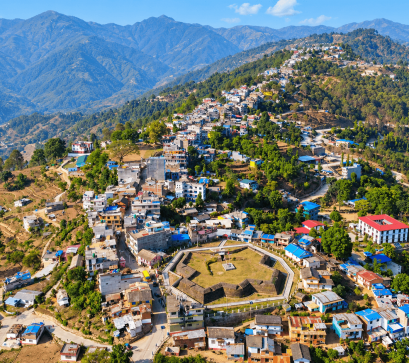
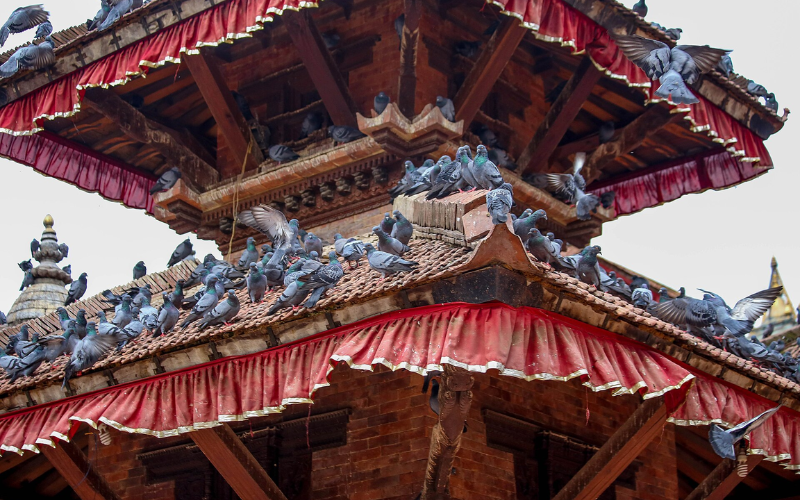
For centuries, Sankhu thrived as a critical stop on the ancient trade route between Kathmandu and Lhasa, Tibet, a position that brought wealth, cultural exchange, and religious significance long before modern roads existed. That trading legacy is still visible in the town's layout: narrow stone-paved lanes, tiered temples tucked into public squares, and traditional Newar rest houses (paatis) built for merchants and pilgrims passing through.
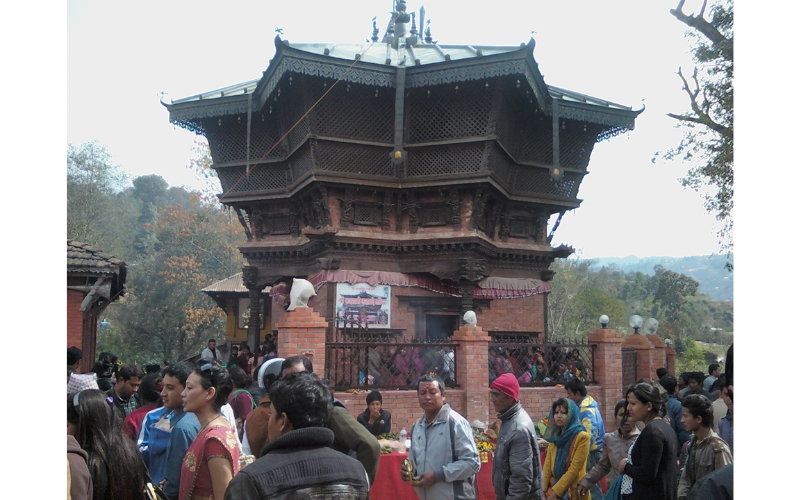
Perched on a forested hillside 1.5 kilometers north of town, the Vajrayogini Temple is Sankhu's crown jewel and one of the most significant tantric pilgrimage sites in the entire Kathmandu Valley. The current three-tiered temple structure is generally linked to reconstruction under King Pratap Malla in the 17th century, though the site's spiritual roots go back much further.
Vajrayogini – worshipped by both Hindus and Buddhists – is considered a Shakti Peetha, a seat of divine feminine power, and is closely tied to the valley's own creation mythology: legend says she drained the ancient lake that once filled the Kathmandu Valley, using her curved knife to cut open the gorge at Chobhar.
Reaching the temple means climbing a long, atmospheric stone stairway – a pilgrimage experience in itself, especially during the vibrant Bajrayogini Jatra, celebrated on the full moon of Chaitra (March–April), when the goddess's image is paraded through Sankhu in a centuries-old procession.
What sets Sankhu apart from more heavily-visited valley towns is that its heritage isn't curated for tourists – it's simply how the town still lives. Locals conduct daily rituals at neighborhood shrines, courtyards double as community gathering spaces, and festivals like the Salinadi Mela and Swasthani Brata Katha pilgrimage draw thousands of devotees each year with almost no international visibility.
The town's traditional Newar architecture – brick facades, carved wooden windows, and tiered pagoda roofs – has been damaged over the years, most severely by the 2015 Gorkha earthquake, but ongoing restoration work continues to protect a townscape recognized on UNESCO's tentative World Heritage list for its cultural and historical ties to the Kathmandu Valley's monument zones.
Most travellers cluster around the same three or four valley landmarks, leaving genuinely ancient sites like Sankhu quiet, uncrowded, and refreshingly authentic. A half-day trip from central Kathmandu (roughly 17–20 km northeast) delivers:
Sankhu is easily reached by private vehicle or local transport from Boudhanath via Jorpati, typically taking under an hour. Visitors should be respectful of active religious practices at the Vajrayogini Temple, dress modestly, and consider visiting during the Bajrayogini Jatra for the fullest cultural experience – though the town rewards a quiet, unhurried walk on any day of the year.
Sankhu is proof that the Kathmandu Valley still has secrets left to give up. Beneath its quiet, earthquake-scarred lanes lies 1,500 years of continuous history, mythology, and living tradition – a town that shaped the valley's ancient trade and spiritual life, and yet remains almost entirely absent from mainstream travel itineraries. For anyone chasing something beyond the well-trodden Kathmandu circuit, Sankhu isn't just worth a visit – it might be the valley's best-kept cultural secret.