In Nepal, a drink is more than just that. It is a greeting, an invitation to belong—even if it’s only for a few moments. Nepal’s traditional drinks are layered as the mountains themselves—each one a story, waiting to be sipped.
Every culture has its own liquid rituals, and Nepal’s just so happens to be among the most diverse on earth. Nepal’s traditional beverage landscape stretches from the terraced rice-wine villages of the Terai to the wind-scoured plateau of Mustang. It is shaped by season, altitude, ethnicity, and centuries of trade routes threading through the mountains.
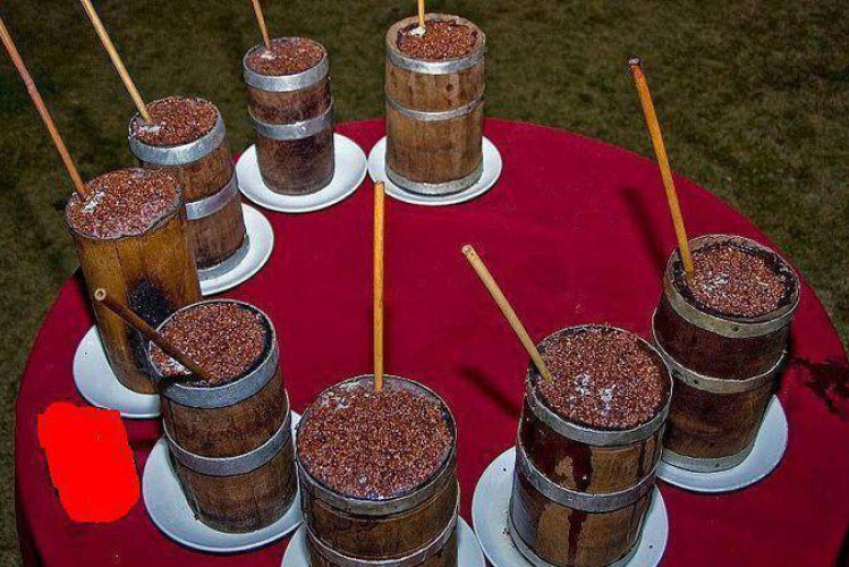
If you’re in the eastern hills—in Taplejung, Ilam, or the mountain villages around Kanchenjunga, you’re definitely going to spot someone leaning over a tall wooden or bamboo vessel, sipping through a long strainer straw. That is Tongba, hot emblematic drink of the Limbu and the Rai community.
Tongba is made by fermenting finger millet (Kodo) for several weeks with a natural yeast starter known as marcha. The fermented grain is then packed into a serving vessel, and boiling water is poured over it. The drinker sips the warm, mildly alcoholic liquid through a bamboo straw fitted with a sieve at the tip to filter out the grains. The vessel can be refilled with hot water for three to four times before the grain is fully spent.
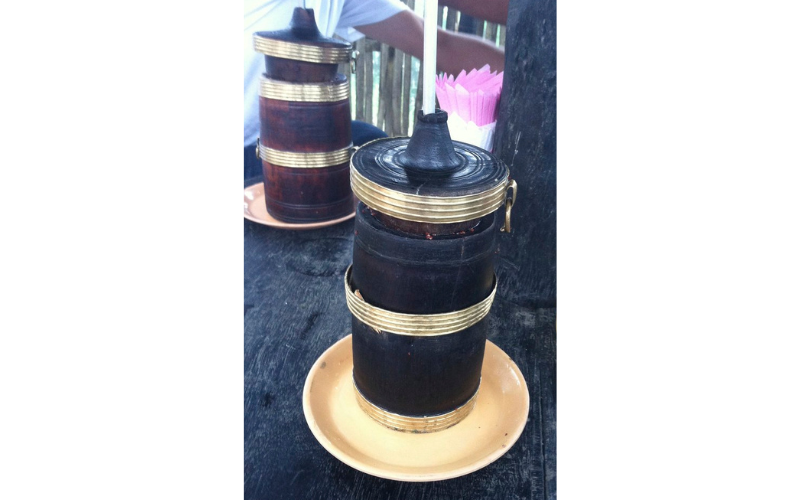
The flavour is earthy, slightly sour, and mildly sweet, and it is unlike anything you’ve tasted before. The alcohol percentage is low to moderate, ranging from 3% to 5% ABV. Tongba is mostly authentically found in Eastern Nepal, and is best experienced between October and February.
A Tip for the Traveller: Hold the vessel with both hands when Tongba is offered—it may seem like a small gesture, but the locals are sure to notice and appreciate. Avoid tipping the straw, as touching the grain inside is considered impolite.
In the northern high-altitude regions favoured by the Sherpa, Tamang, and Tibetan communities, Chhyang becomes your constant companion. In the Solukhumbu valley, Langtang, or the Annapurna circuit above 3000 meters, Chhyang is the Himalayan equivalent of ale. It is a fermented grain beer made most commonly from barley, millet, or rice grains, depending on what the local harvest yields.
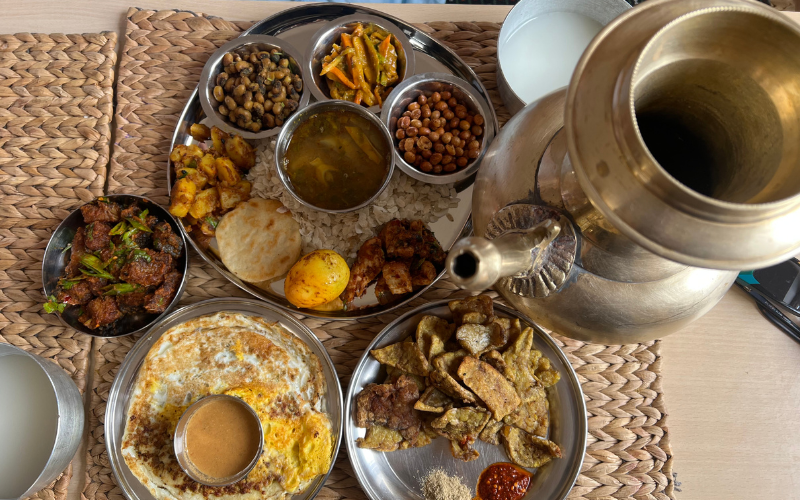
The name of the drink varies from community to community: Jaarh, Thee:, Thwon— as does the flavour from household to household. Some versions are cloudy, fizzy, with an almost yoghurt like tang, while others are clearer, milder, and reminiscent of a very young wheat beer. Whatever the name, you are sure to enjoy this drink served at room temperature, or slightly warm.
It is the drink of festivals, weddings, and long evenings after hard days on the trails. The alcohol percentage is relatively low, with only about 2% of alcohol. You can find the best, most authentic Chhyang in Himalayan teahouses year-round.
A Tip for the Traveller: Accept the first cup offered, even if you only take a small sip. Refusing the drink without reason can seem ungracious to a host who has made the drink themselves.
The Newari people of the Kathmandu valley have one of the most intricate food cultures in South Asia, and their homemade libation, Aila, is central to it. Aila is distilled from fermented rice, millet, or wheat—and is the soul of Newari celebrations, as well as the warm heart of samay baji, the traditional Newari feast served at festivals and ceremonies.
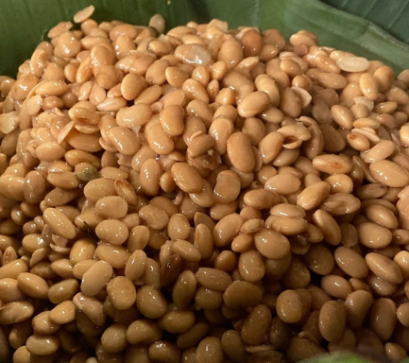
Unlike commercially produced booze, Aila is almost always made at home or in small community batches, and carries the distinct personality of its maker. It is typically served in a small brass or clay cup and is paired with dried buff meat (Sukuti), soybeans, beaten rice, and a range of intensely flavoured side dishes.
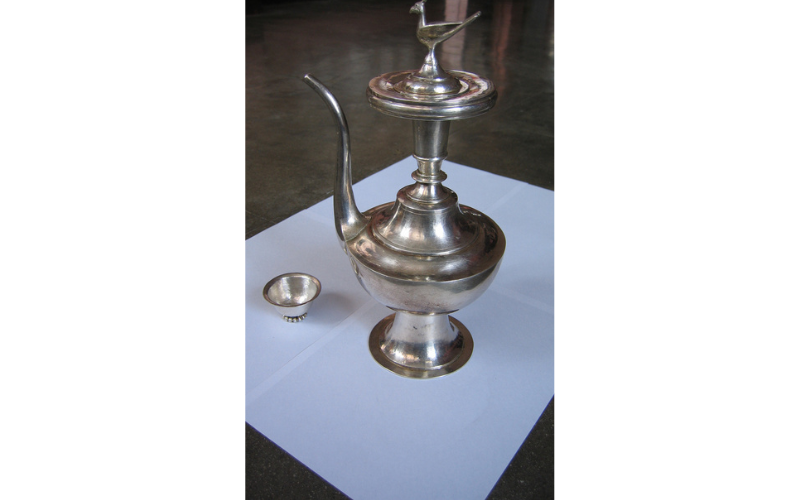
In the narrow streets of Patan and Bhaktapur, a few old city restaurants still serve proper Newari feasts with Aila poured freely—these meals are among the most authentic experiences Nepal offers any visitor.
Aila’s flavour is clean, slightly sweet, and warming. The alcohol percentage is moderate to high with 25% to 40% ABV. You can find the most genuine of Aila in the narrow alleys of Patan and Bhaktapur.
A Tip for the Traveller: Look for restaurants in Patan’s Durbar Square area that offer a full samaybaji set, Aila included. It is the most culturally illuminating way to experience Newari drink culture properly.
Raksi is the ritual drink of Nepali festivals—you’ll encounter it during Dashain, Tihar, and countless local celebrations, being poured into small copper cups called lota. This clear, potent distilled spirit is found across many hill communities and carries a reputation somewhere between reverence and warning.
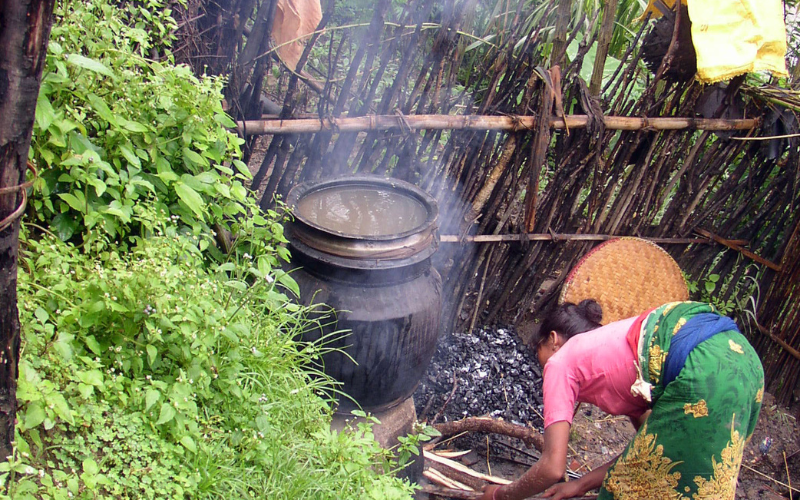
Made by distilling fermented grain, typically millet or rice, through a rudimentary copper still, Raksi emerges as a sharp, fiery liquid that can range from roughly 30% to 50% ABV ,depending on the distiller. It is served with a platter of dried meats and spiced snacks in the Newari community of the Kathmandu valley.
The flavour is sharp, clean, and faintly grainy. You will find Raksi in the Newari districts of Kathmandu, as well as festivals.
A Tip for the Traveller: Pace yourself. Raksi does go down smoothly, but it’s deceptively strong. If someone offers you a second cup before you’ve decided you want one, simply holding your cup with a hand over the top politely signals you’re done.
And finally, drink with curiosity. These traditional drinks were not curated for the tourists—they have grown from the land, the climate, and the needs of the people and the communities over hundreds of years. When you are tasting these drinks, you are participating in something far older and more meaningful than a simple tasting experience. Approach each drink with an open mind, a genuine question or two, and a willingness to accept that your palate might need a moment to catch up with your curiosity. At the end of the day, that’s what travel is for.
Picture credits: Wikimedia Commons
Also Read


.png)