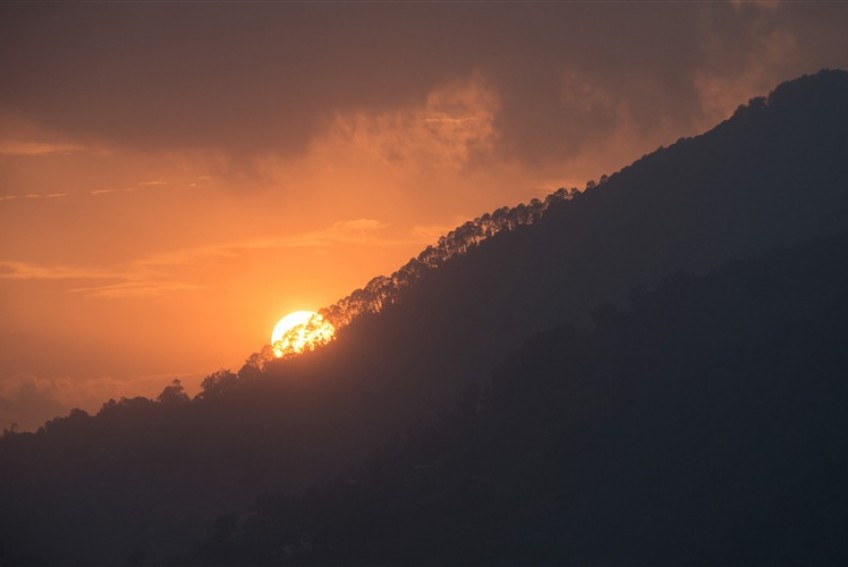
Swayambhunath, Kathmandu's most iconic sunset spot: the stupa's golden spire catches the last light while the valley spreads out below. Climb the steep eastern steps well before golden hour to claim a spot, and keep a respectful distance from the monkeys.
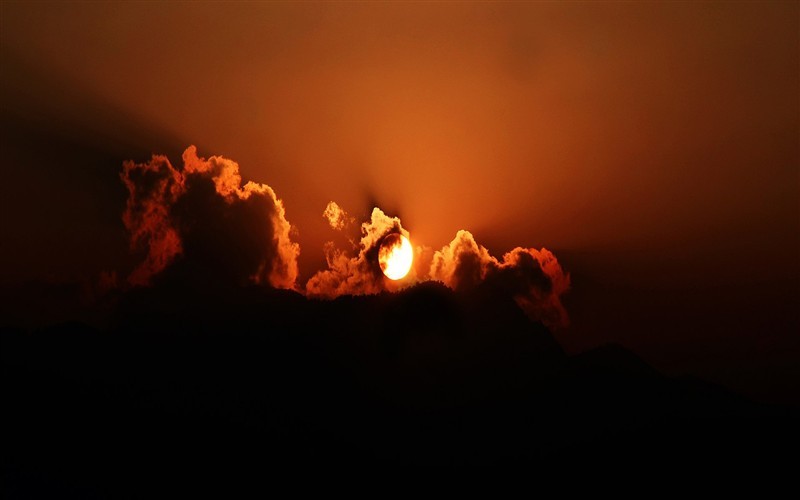
A quieter option in the city center – a 1920s neoclassical garden with pavilions and a pond. No panoramic view, but the light through the trees at dusk has its own charm, and it's one of the few spots here where you can just sit down with a coffee.
.jpg)
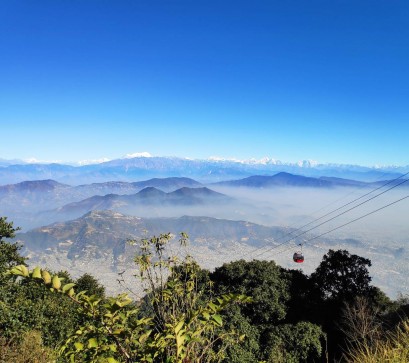
A cable car ride up the valley's southwestern rim delivers a 360-degree view – the valley on one side, Himalayan peaks like Manaslu, Ganesh Himal, and Langtang on the other, on a clear evening. At roughly 2,540 meters, bring a layer for after dark.
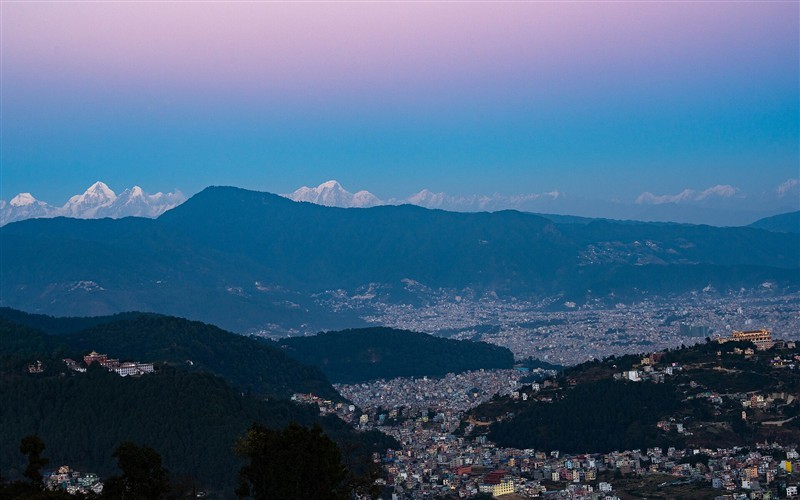
One of the world's largest stupas offers a flatter, more intimate sunset than Swayambhunath. The white dome and gold spire glow as light fades, and the evening butter-lamp lighting and kora walk give the scene a quiet, ritual rhythm worth experiencing even without a camera.
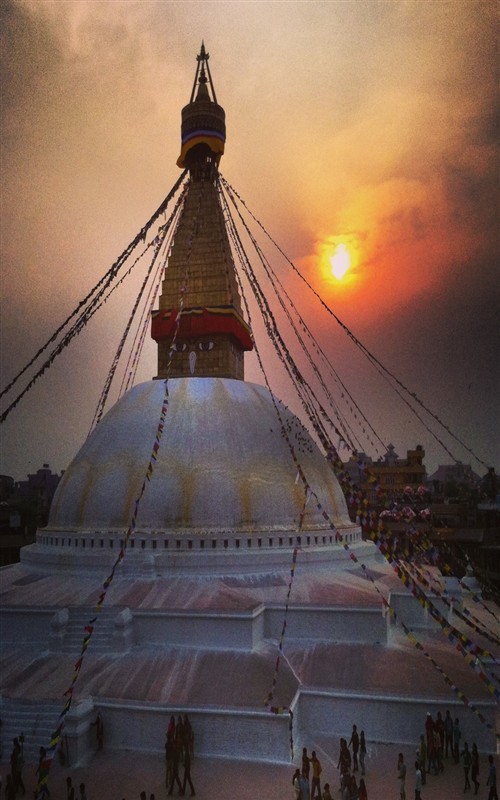
A short drive southwest of the city, this hilltop Newar-era town offers valley views without Swayambhunath's crowds. Good for wandering between viewpoints rather than staking out one spot.
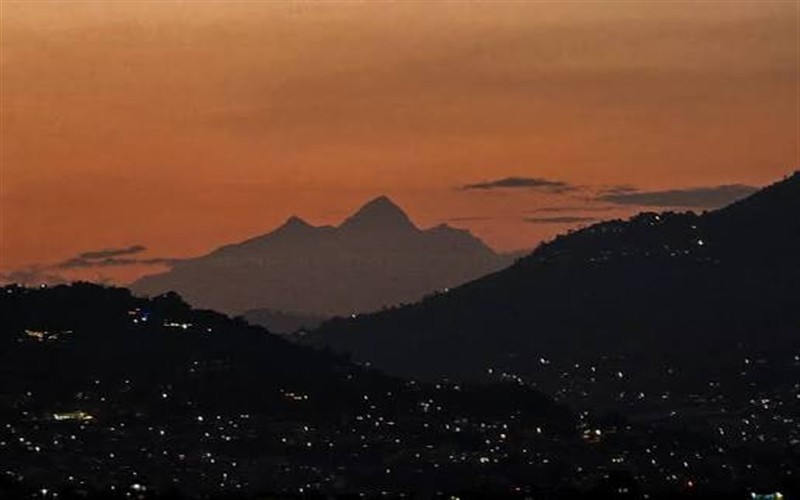
6. Nagarkot (For a Longer Trip)
Better known for sunrise, but its sunset panorama is just as capable, especially if staying overnight. At about 2,175 meters and 32 kilometers east of the city, Nagarkot is more of a half-day or overnight commitment: worth it if mountain silhouettes matter more than city lights.
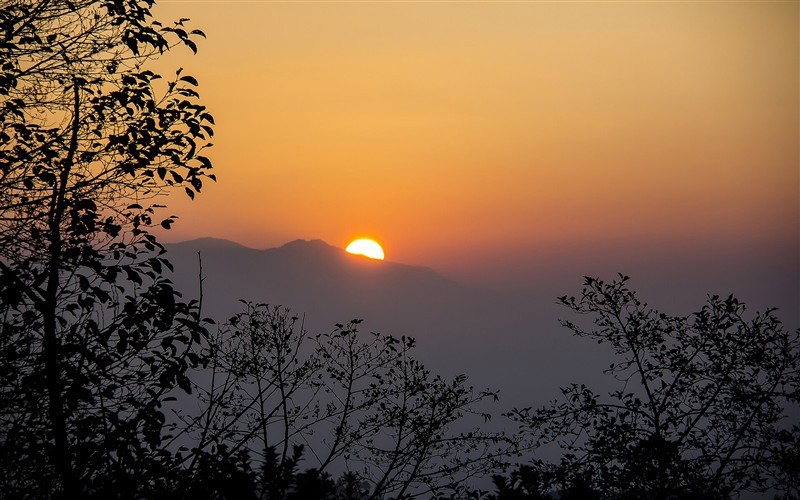
Haze is heaviest in the pre-monsoon months (March–May), which can mute the mountain-backed views at Chandragiri and Nagarkot; autumn and winter skies are clearer. For in-city spots, arrive 30–45 minutes before sunset to get settled before the light really shifts, and don't pack up the camera the moment the sun disappears – the valley's elevation tends to stretch the color show a while longer.