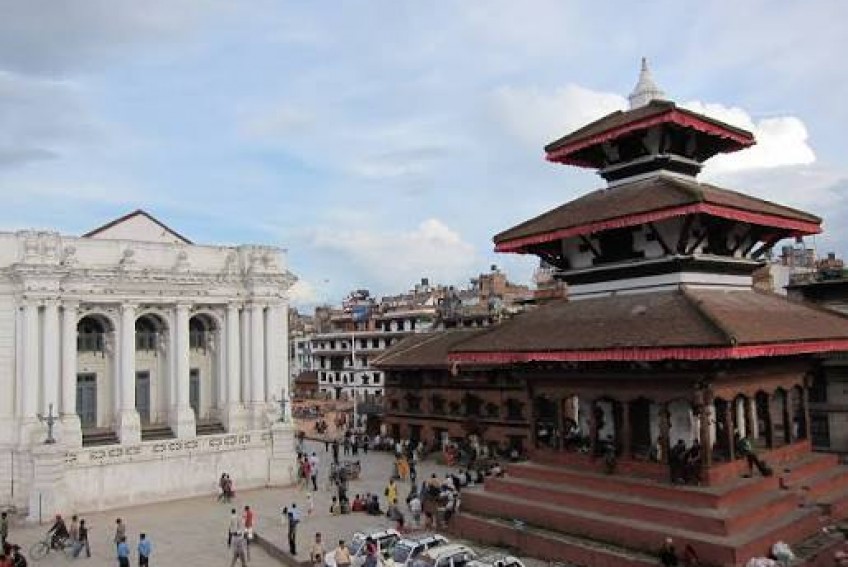
Basantapur Durbar Square sits at the heart of old Kathmandu, and for most travelers it's the first serious dose of the city's history; carved wooden palaces, temple courtyards, and the residence of a living goddess, all packed into a few hundred metres you can cover on foot. It's also one of those places people walk into without knowing quite what they're paying for, when it's actually open, or how much time to set aside.
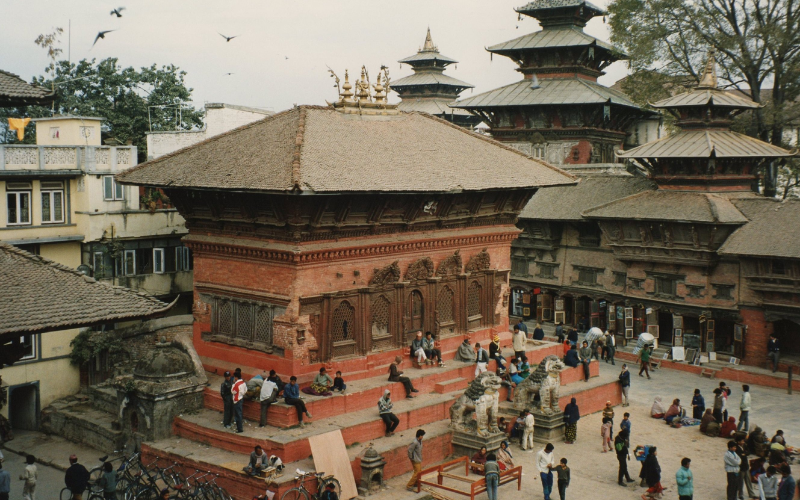
Basantapur Durbar Square – also called Kathmandu Durbar Square or Hanuman Dhoka – is the former royal palace complex of the Malla and Shah kings, and a UNESCO World Heritage Site within the Kathmandu Valley. It was the site of royal coronations, including as recently as the 20th century, and remains an active religious and cultural space today, not a roped-off museum piece. Locals still pass through it daily, festivals still fill it several times a year, and the Kumari – Kathmandu's living goddess – still resides in the Kumari Ghar at its edge.
The square was badly damaged in the 2015 Gorkha earthquake, and reconstruction work; some of it internationally funded – has been ongoing for years since. Most of the major structures have now been restored, though you may still see scaffolding or active restoration around a handful of monuments depending on when you visit.
Entry fees follow tiered pricing based on nationality, which is standard practice at heritage sites across Nepal. According to the Nepal Tourism Board's official fee schedule:
This ticket covers the main Durbar Square complex, including the Tribhuvan Museum inside the palace grounds. Keep the ticket on you; you may be asked to show it again if you re-enter or move between sections of the complex. Note that fees are set by the relevant government departments and do occasionally change, so it's worth treating the numbers above as a strong estimate rather than gospel on the day you visit.
The square itself, being a public space with active temples and through-roads, is accessible at most hours. The ticketed sections – the palace museum areas in particular – generally operate during standard daytime visiting hours, roughly morning through late afternoon. If a specific museum or courtyard is your priority, it's worth confirming that day's hours at the ticket counter when you arrive, since museum sections can have their own schedules separate from the square itself.
Early morning is the strongest choice if you want the square closer to how locals actually experience it – vendors setting up, pigeons gathering, soft light on the wood carvings, and noticeably fewer tour groups. It's also the most forgiving time for photography, since the temple architecture is oriented in a way that catches good early light.
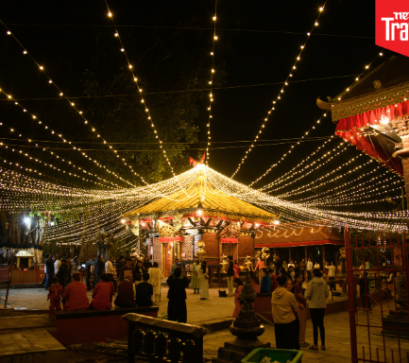
Late afternoon is the second-best window, particularly if you want to watch the square shift from daytime sightseeing into its evening rhythm, when locals use it more as a gathering space than tourists do.
Midday is the least ideal stretch – the busiest with tour groups, the least flattering light, and the warmest part of the day if you're visiting in the pre-monsoon months.
If your schedule allows it, visiting around a festival is worth planning for deliberately. Indra Jatra in particular transforms the square completely, with masked dances and processions that don't happen the rest of the year.
You don't need a guide to get the essentials, though one can add real depth if you want the mythology and history explained on the spot. A reasonable self-guided route:
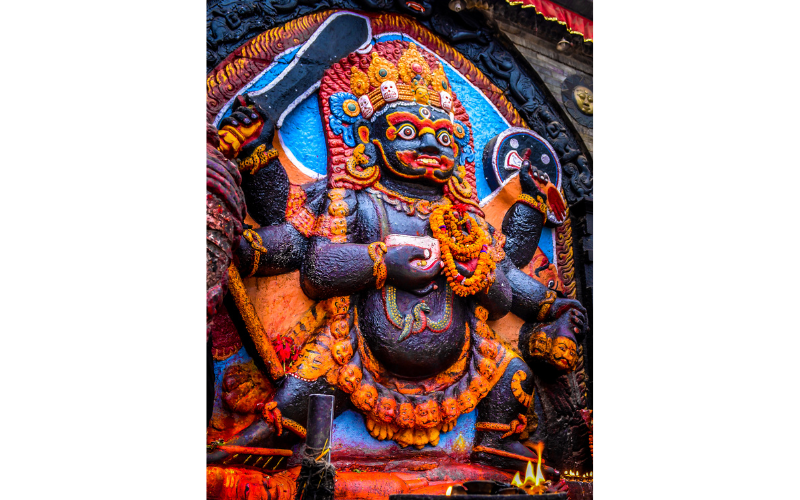
Set aside at least ninety minutes for this route without rushing, and closer to half a day if you plan to sit with the architecture, visit the museum sections properly, or combine it with a wider old-town walk.
Yes.The ticket covers a genuinely significant cluster of palaces, temples, and museum space that would otherwise take separate visits to see individually.
Budget ninety minutes at a minimum; two to three hours if you want to take the museum sections seriously.
Yes. It's a living part of the city, not a preserved-in-amber monument, with regular worship, festivals, and the residence of the Kumari still functioning within it.
Most major structures have been reconstructed, though restoration on a smaller number of monuments has continued for years, so isolated scaffolding is still possible depending on when you visit.