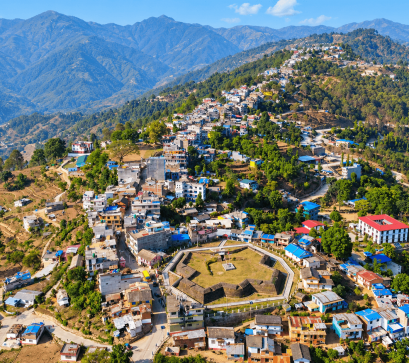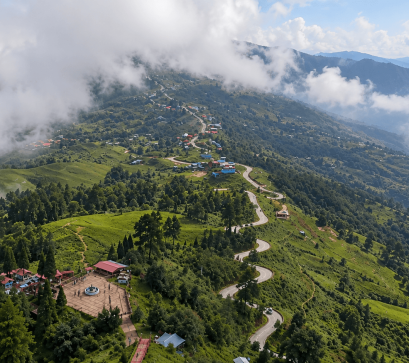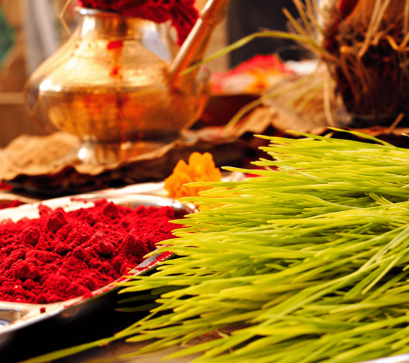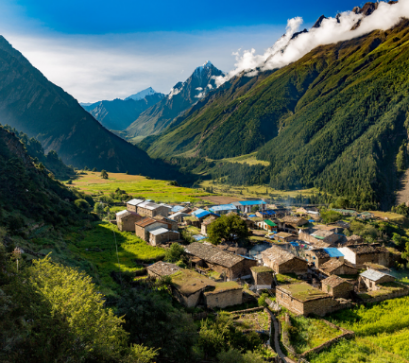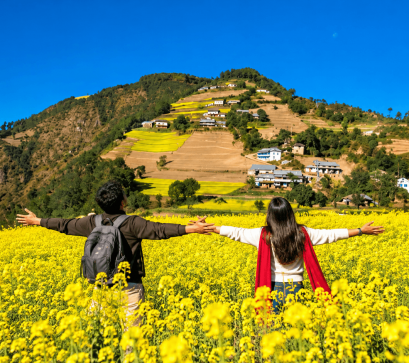
Tucked into the heart of Nepal’s Gandaki Province, Myagdi is a district that captivates with its majestic Himalayan backdrop, ancient ethnic cultures, and natural hot springs. Though often overshadowed by more touristic districts like Pokhara or Mustang, Myagdi offers a blend of adventure and authenticity that appeals to trekkers, pilgrims, and cultural explorers alike.
Geography and Setting
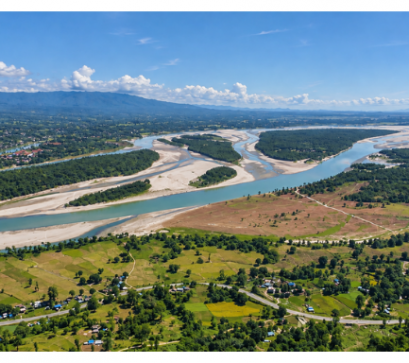
Covering 2,297 square kilometers, Myagdi lies in western Nepal and shares borders with Mustang to the north, Baglung to the south, and Parbat to the east. Its administrative center, Beni, sits at the scenic junction of the Myagdi and Kali Gandaki Rivers and serves as the main gateway to the district’s natural and cultural treasures.
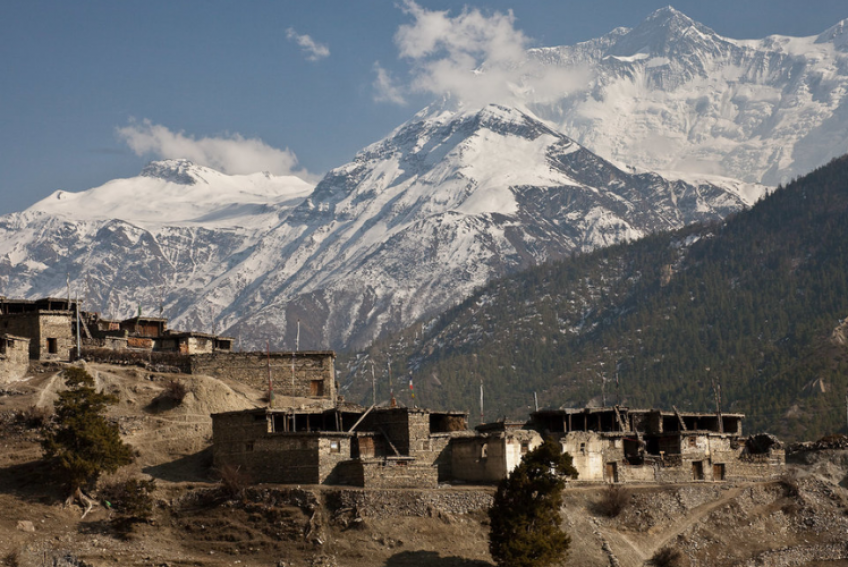
Towering above the district is Mount Dhaulagiri (8,167 meters)—the seventh-highest mountain in the world—part of the Dhaulagiri Himalaya range that dominates Myagdi’s northern horizon.
Natural Wonders and Trekking
Dhaulagiri Circuit Trek
Regarded as one of Nepal’s most challenging and remote high-altitude treks, the Dhaulagiri Circuit Trek begins near Beni and takes 13 to 20 days to complete. Trekkers traverse isolated villages like Muri and reach landmarks such as the Italian Base Camp, Dhaulagiri Base Camp (4,750 m), French Pass (5,360 m), and Dhampus Pass (5,240–5,250 m). The circuit offers panoramic views of Dhaulagiri and neighboring peaks, requiring prior trekking experience and the use of technical equipment in some sections.
Kali Gandaki Gorge
Flowing through Myagdi is the Kali Gandaki River, which carves one of the world’s deepest gorges between the Annapurna and Dhaulagiri ranges. Though the “deepest gorge” label is unofficial, it adds mystique to a river that once formed part of the ancient salt trade route to Tibet.
Healing Waters: Tatopani Hot Springs
Just 9 kilometers from Beni and about 297 kilometers from Kathmandu by road, the village of Tatopani is famed for its geothermal hot springs. The most popular site, Singha Tatopani Kunda, contains three bathing pools that maintain a temperature of around 50°C.
During peak seasons (September to April), the site attracts 500–1,000 visitors per day, including both local and international travellers.
Local tradition holds that soaking in these mineral-rich waters over a 7–10 day period can alleviate ailments such as joint pain, skin diseases, and gastric issues—though these health claims remain based on folk belief.
People and Culture
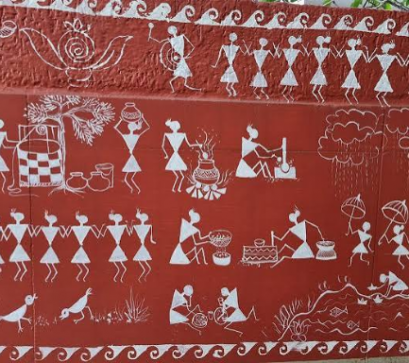
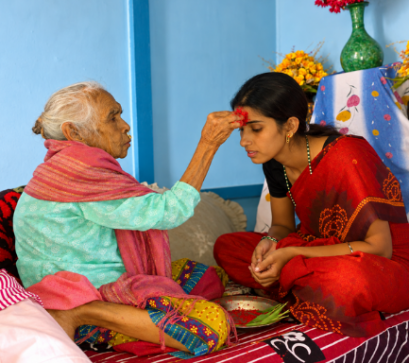
Myagdi is home to a rich mosaic of ethnic groups, with the Magar community (especially the Pun Magar subgroup) forming the largest demographic. Other prominent groups include Chhetri, Brahmin, Gurung, and Dalit communities.
The district celebrates major Nepali festivals like Dashain, Tihar, and Maghe Sankranti, alongside local cultural events featuring traditional music, dances, and rituals. The Magar culture, with its distinct language, attire, and oral traditions, is especially vibrant and visible during these celebrations.
Economy and Livelihood
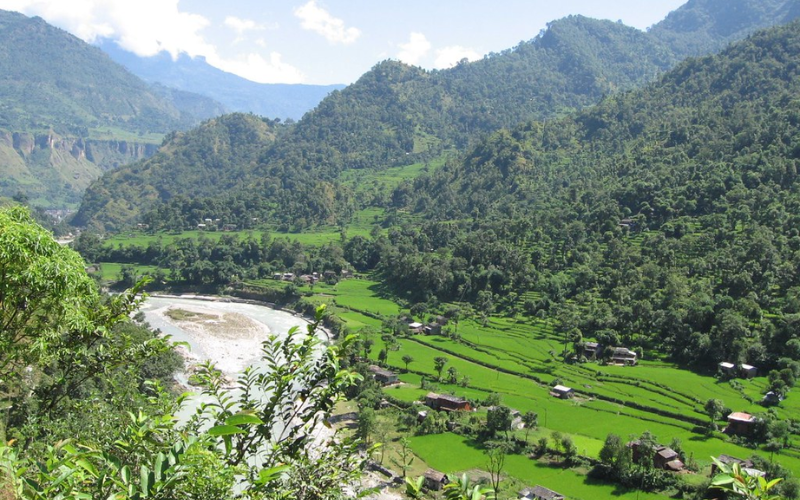
Agriculture remains the backbone of Myagdi’s economy. Locals cultivate crops such as millet, maize, barley, and potatoes on terraced hillsides. Livestock farming, remittances from overseas employment, and small-scale trade also play significant roles.
In recent years, eco-tourism and trekking-based tourism have emerged as supplemental income sources. Lodges, homestays, and teahouses are gradually expanding, especially along trekking routes like Dhaulagiri and towards Ghorepani (shared with neighboring districts).
Infrastructure and Access
Myagdi is connected by road to Pokhara and Baglung, although travel is often slow due to mountainous terrain and narrow roads. The Mid-Hill Highway has improved access, and projects are ongoing to further develop road networks and communication infrastructure.
The nearest major airport is in Pokhara, which connects to Kathmandu and other cities via regular flights. From Pokhara, travelers continue by vehicle to Beni and onward to Myagdi’s remote villages and attractions.
Why Visit Myagdi?
If you’re looking for a destination that blends adventure, culture, and natural wellness, Myagdi offers all this in an uncrowded, off-the-beaten-path environment. Whether trekking to the base of one of the world’s highest peaks, soaking in hot springs, or experiencing traditional Magar hospitality, visitors are rewarded with unforgettable encounters and views.
As Nepal continues to evolve as a tourist destination, Myagdi stands out for its authenticity, environmental richness, and untapped potential. With sustainable tourism, conservation, and community empowerment, Myagdi can serve as a model for integrating cultural heritage with natural beauty.
PC: Greg Willis, Flickr, Georgios Giannopoulos
Also Read