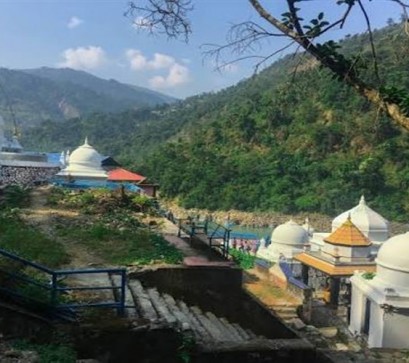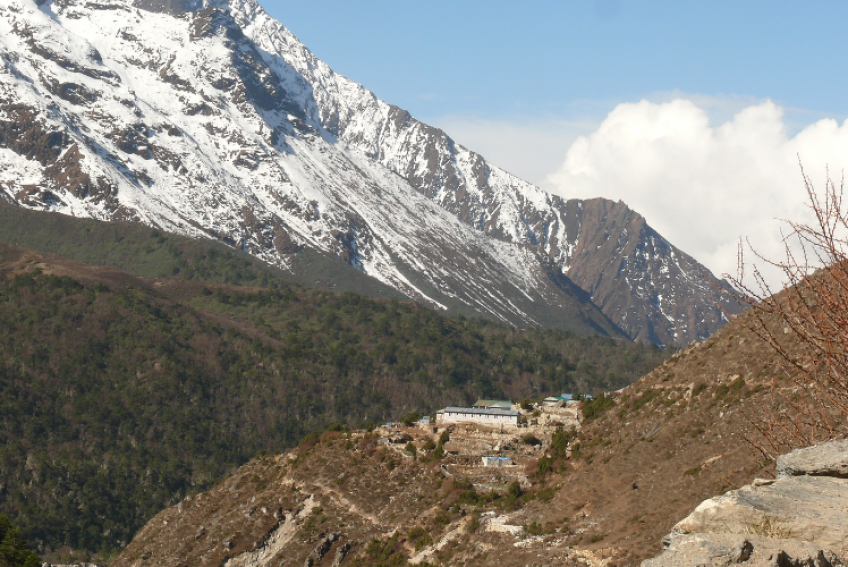
Situated at an altitude of roughly 3,985 metres in Nepal’s Solukhumbu District, Pangboche is one of the oldest Sherpa settlements in the Khumbu region. Lying on the well-travelled route towards Everest Base Camp and the approach to Ama Dablam, the village offers visitors both cultural depth and striking high-mountain scenery.
A Village on the Trail to Everest
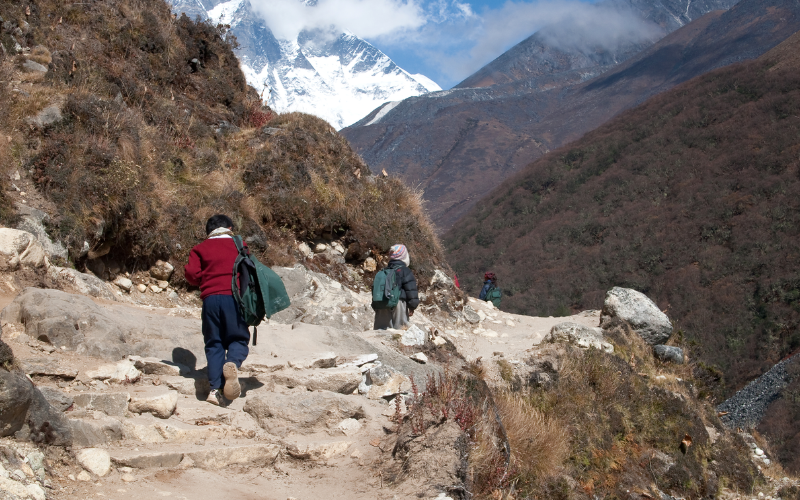
Pangboche occupies a prominent position in the Imja Khola valley, set beneath the towering south-western face of Ama Dablam, one of the most recognisable peaks in the Himalayas. Trekkers typically pass through the village after departing Tengboche and continue onwards to Dingboche or Pheriche. Its location makes it a natural stopping point for those acclimatising or heading to Ama Dablam Base Camp.
Although small and remote, Pangboche provides several lodges and teahouses, reflecting its importance as a hub along one of Nepal’s most popular trekking routes.
The Pangboche Monastery
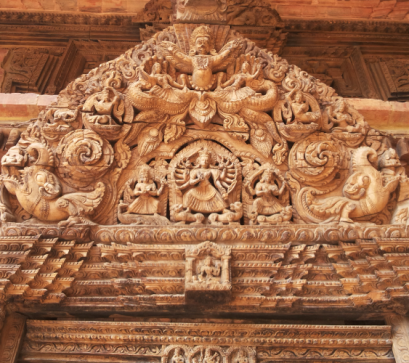
Pangboche is widely regarded as home to one of the earliest Buddhist monasteries in the Khumbu, with many local traditions attributing its founding to the Tibetan lama Sange Dorje. While exact dates are uncertain, the monastery is considered historically significant within Sherpa culture.
The site is also linked to the famous legend of the Pangboche Hand, once claimed to be a relic of a Yeti. Scientific analysis later showed the bones to be human, though the story remains part of the village’s heritage. The relic itself was reportedly stolen decades ago and never recovered.
Culture and Daily Life
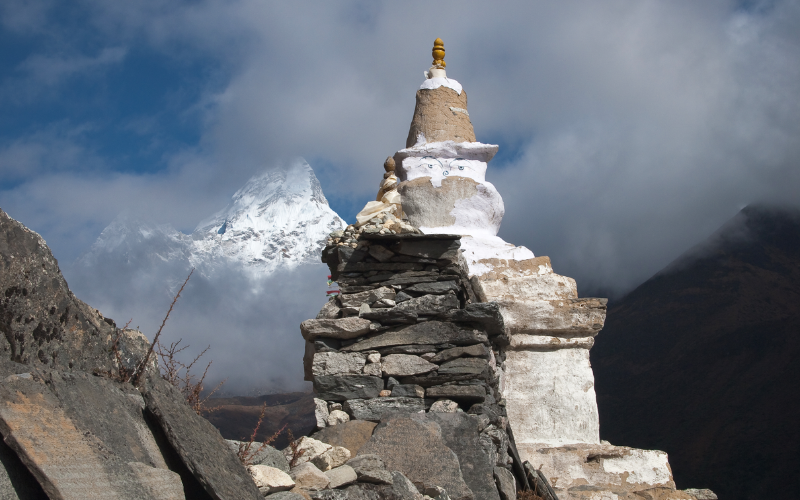
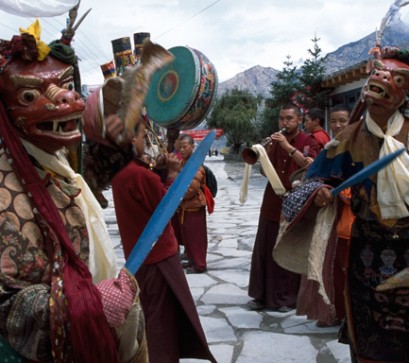
The village is inhabited mainly by Sherpa families, whose traditions are closely tied to Tibetan Buddhism and the rhythms of high-altitude life. Stone houses, prayer flags, chortens and carved mani walls form a distinctive landscape that reflects centuries of cultural continuity.
Agriculture at nearly 4,000 metres is limited, but residents maintain small fields and keep livestock such as yaks. Tourism plays a significant role in the local economy, especially during the main trekking seasons.
Connection to Mountaineering
Pangboche has long been associated with Himalayan climbing, particularly on Ama Dablam, whose base camp lies a short trek above the village. Many Sherpa climbers have come from Pangboche and surrounding settlements, contributing to the region’s mountaineering legacy. Although not a primary staging point for Everest expeditions, the village remains an important waypoint for trekkers heading deeper into the high Khumbu.
A Place of Tradition and Mountain Grandeur
With its historic monastery, dramatic views of Ama Dablam, and strong sense of Sherpa heritage, Pangboche offers a glimpse into life in one of the Everest region’s oldest communities. For many travellers, it is both a cultural highlight and a milestone on the journey towards the world’s highest peaks.
PC: Wikimedia Commons
Also Read

.jpg)
.jpg)