Bardiya District lies in the western Terai of Nepal, along the southern plains that border India. Known for its expansive forests, powerful river systems, and strong indigenous heritage, Bardiya is one of the country’s most ecologically significant yet least crowded regions. Its quiet landscapes and community-led conservation efforts make it a distinctive destination for those seeking a deeper understanding of Nepal beyond the Himalayas.
Geography and Landscape
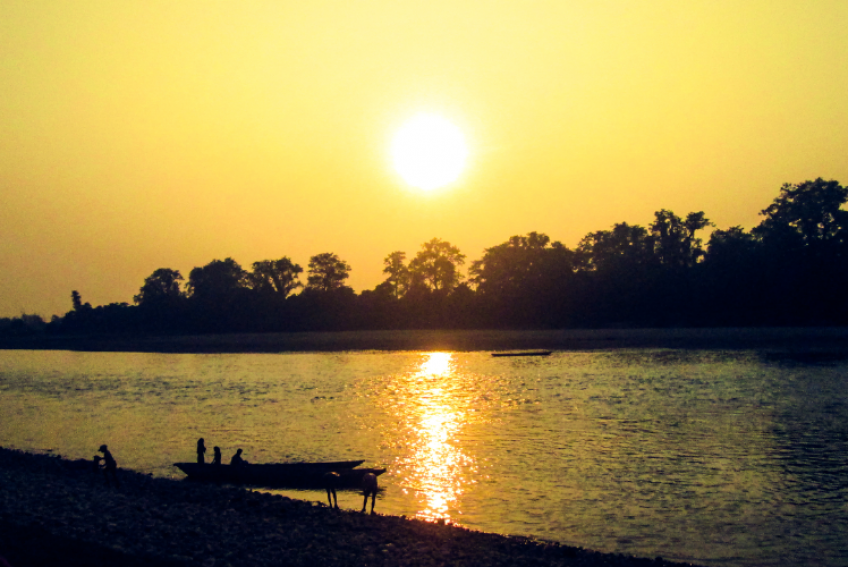
Bardiya District covers approximately 2,025 square kilometres and forms part of Lumbini Province. The land is largely flat and fertile, shaped by major rivers including the Karnali, Babai, and Geruwa, which support agriculture, wetlands, and wildlife habitats.
The climate is subtropical, with hot summers, a monsoon season from June to September, and mild winters. Agriculture is central to life in Bardiya, with rice, wheat, maize, mustard, and lentils widely cultivated across the district.
Bardiya National Park and Biodiversity
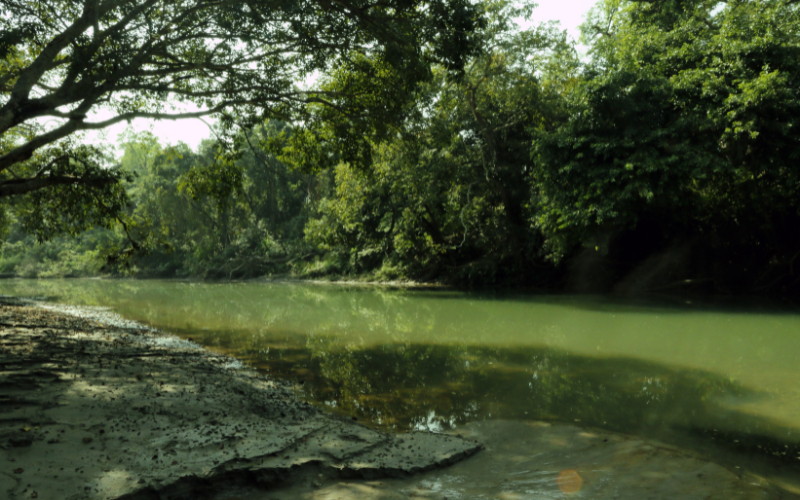
At the northern edge of the district lies Bardiya National Park, the largest national park in Nepal’s Terai, covering about 968 square kilometres. The park protects sal forests, riverine woodland, grasslands, and floodplains, making it one of the most intact lowland ecosystems in South Asia.
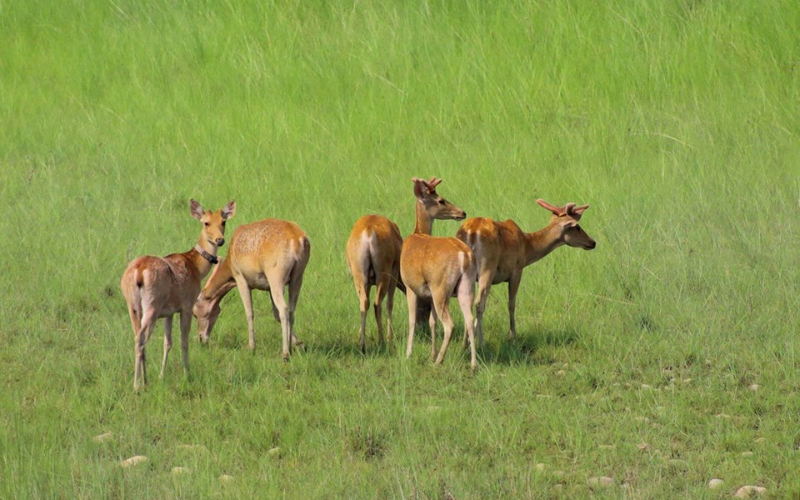
The park is home to some of Nepal’s most endangered wildlife, including Royal Bengal tigers, greater one-horned rhinoceroses, Asian elephants, swamp deer, leopards, and sloth bears. Its rivers support gharial and marsh-mugger crocodiles, as well as occasional Gangetic dolphins. More than 250 species of birds have been recorded, making Bardiya a major site for bird conservation.
Unlike busier parks, Bardiya is known for low visitor density. Wildlife experiences often include guided jungle walks, vehicle safaris, and river excursions. Elephant rides are now limited and discouraged in favour of more ethical wildlife viewing practices.
People, Culture, and Daily Life
Bardiya has a population of approximately 460,000 people. The Tharu community forms the largest ethnic group in the district and has lived in the Terai for centuries. Traditionally adapted to the region’s forested and malaria-prone environment, the Tharu possess a rich cultural heritage expressed through distinctive architecture, dress, music, and dance.
Nepali is widely spoken, alongside Tharu languages and Awadhi. Most residents depend on farming, fishing, forest resources, and small-scale trade. Weekly markets remain important social and economic centres, particularly in rural areas.
The Significance of Bardiya
Bardiya stands as one of Nepal’s most important conservation landscapes. Its forests shelter endangered species, its rivers sustain ecosystems and agriculture, and its communities preserve deep cultural knowledge of the Terai. Quiet, resilient, and biologically rich, Bardiya offers a powerful example of how nature and human life continue to coexist in Nepal’s western lowlands.
PC: Wikimedia Commons
Also Read