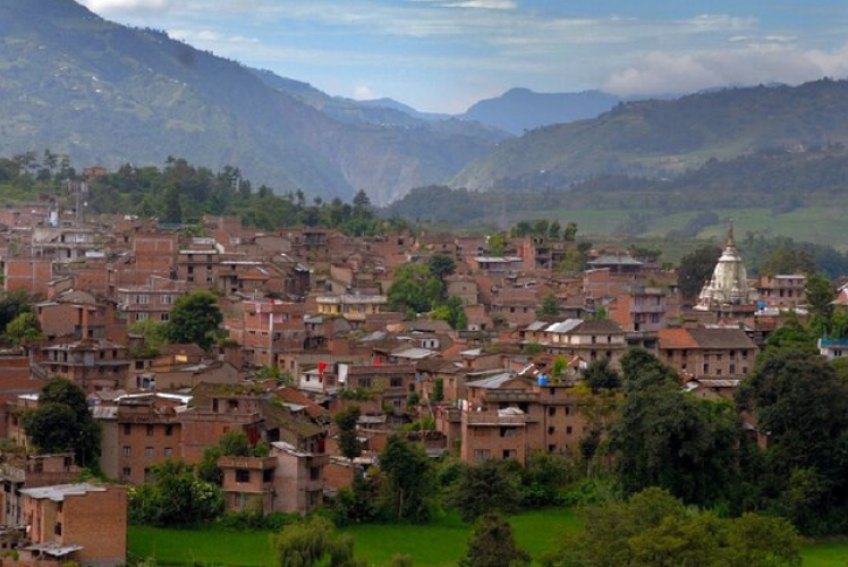
Hidden just south of the bustling capital lies a settlement where time appears to move differently. Khokana is not merely a village; it is one of the Kathmandu Valley’s most remarkable surviving examples of traditional Newar civilisation. With its narrow brick lanes, carved wooden windows, sacred courtyards and centuries-old mustard oil mills, Khokana offers travellers an immersive glimpse into Nepal before urban modernity transformed the valley.
Often overshadowed by the grandeur of Kathmandu’s larger heritage sites, Khokana remains deeply authentic. Here, farmers still tend terraced fields, elders gather in communal courtyards, and ancient rituals continue to shape community life. For those seeking cultural depth beyond Nepal’s trekking trails and mountain panoramas, Khokana is among the valley’s most rewarding experiences.
Located approximately eight kilometres south of Kathmandu near Bungamati, Khokana dates back several centuries and is regarded as one of the oldest traditional Newar settlements in the valley. The village is internationally recognised for its remarkably preserved medieval layout and mustard-oil production heritage. UNESCO has included Khokana on Nepal’s Tentative World Heritage List under the title “Khokana, the vernacular village and its mustard-oil seed industrial heritage.”
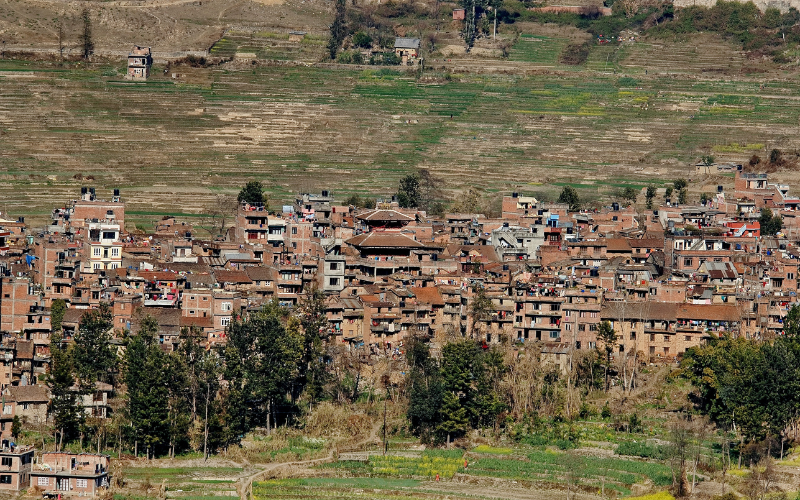
The settlement reflects a classic Newar urban pattern: compact brick homes arranged around courtyards, interconnected alleys, resting platforms, water systems and shrines. The architectural harmony is striking. Unlike rapidly modernising urban centres, Khokana still retains much of its original settlement character.
The village also holds a unique place in Nepal’s technological history. Khokana is widely regarded as the first settlement in Nepal to receive electricity during the Rana era in the early twentieth century.
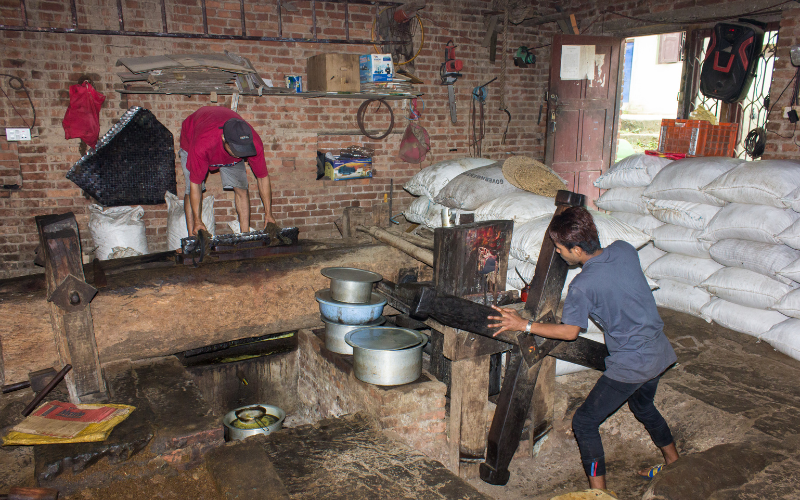
For generations, Khokana has been synonymous with mustard oil. The village’s identity has long revolved around traditional oil extraction using massive wooden presses locally known as kol. The aroma of freshly pressed mustard oil once defined the atmosphere of the settlement.
Historically, surrounding farmlands turned bright yellow during the mustard flowering season, creating one of the valley’s most beautiful rural landscapes. The oil produced here earned a reputation throughout Kathmandu Valley for its purity and rich flavour.
Even today, a few traditional wooden mills continue operating, preserving a craft believed to date back hundreds of years. One historic mill in Khokana is said to be around 300 years old and still functions using traditional techniques.
However, this heritage faces growing challenges. Urbanisation, declining agricultural production, changing market demands and rising production costs have reduced mustard cultivation across the region. Many younger residents now seek employment outside the village, threatening the continuity of traditional practices.
Yet despite these pressures, Khokana’s mustard oil heritage survives as a powerful symbol of cultural resilience.
Walking through Khokana feels like stepping into a living open-air museum. The village’s red-brick houses, intricately carved wooden windows and low-roofed structures represent classic Newar craftsmanship at its finest.
The settlement’s narrow lanes naturally guide visitors through hidden courtyards, temples and communal spaces. Unlike modern planned towns, Khokana evolved organically over centuries, shaped by social, religious and agricultural life.
Traditional homes often feature elaborately carved timber frames and lattice windows that display the artistic sophistication of Newar artisans. Many structures remain family-owned across generations, preserving a strong connection between architecture and ancestry.
The village’s layout itself is historically significant. UNESCO specifically acknowledges Khokana as a model of medieval settlement planning with organised drainage systems and communal chowks.
Religion remains deeply woven into everyday life in Khokana. Small shrines appear at nearly every turn, while larger temples anchor the spiritual life of the community.
Among the village’s most important religious sites is the Rudrayani Temple, dedicated to the goddess Rudrayani. The temple plays a central role during local festivals and ritual ceremonies.
Khokana’s festivals are vibrant expressions of Newar identity. Traditional masked dances, communal feasts and processions continue to unite the community much as they have for centuries. These festivals are not staged performances for tourists but living cultural traditions passed down through generations.
The rhythms of agricultural life also remain spiritually significant. Planting seasons, harvests and communal rituals are closely intertwined with the village calendar.
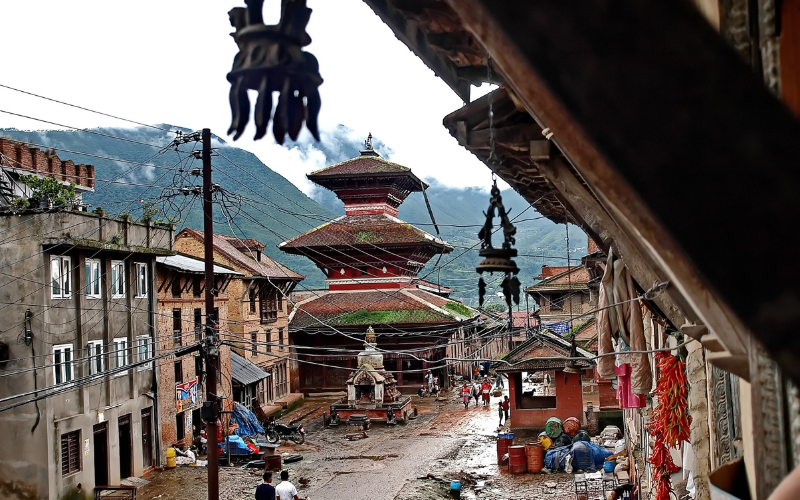
As Kathmandu Valley expands rapidly, settlements like Khokana have become increasingly vulnerable to uncontrolled urbanisation and infrastructure development. Conservationists and local communities have repeatedly expressed concerns regarding road expansion, heritage destruction and the gradual erosion of traditional Newar settlements.
Khokana therefore represents more than a picturesque destination; it stands at the centre of broader conversations about heritage preservation in modern Nepal.
The contrast between ancient brick alleys and nearby urban expansion is impossible to ignore. Yet this tension also makes Khokana especially important. It remains one of the few places where travellers can still experience the Kathmandu Valley’s traditional cultural landscape in a relatively intact form.
The beauty of Khokana lies not in grand monuments but in atmosphere. Morning sunlight on brick facades, women drying grains in courtyards, children playing through narrow lanes and the scent of mustard oil drifting from old presses together create an experience that feels profoundly intimate.
Visitors can wander through the village on foot, observe traditional architecture, interact respectfully with locals and combine the visit with nearby Bungamati for a fuller exploration of Newar heritage.
Winter is particularly beautiful, especially when mustard fields bloom around the village outskirts. Early mornings and late afternoons offer the most photogenic light and a quieter atmosphere.
Unlike Nepal’s more commercial tourist hubs, Khokana rewards slow travel. It invites observation rather than hurried sightseeing.
As historic settlements vanish beneath rapid urban expansion, Khokana remains a rare cultural treasure preserving not just architecture and traditions, but an entire way of life rooted in community, craftsmanship and resilience. Here, heritage is not preserved behind glass; it is lived every day.
PC: Wikimedia Commons, Viator
Also Read