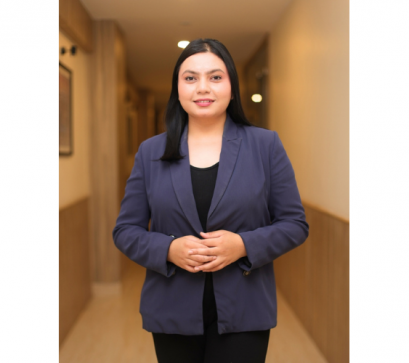
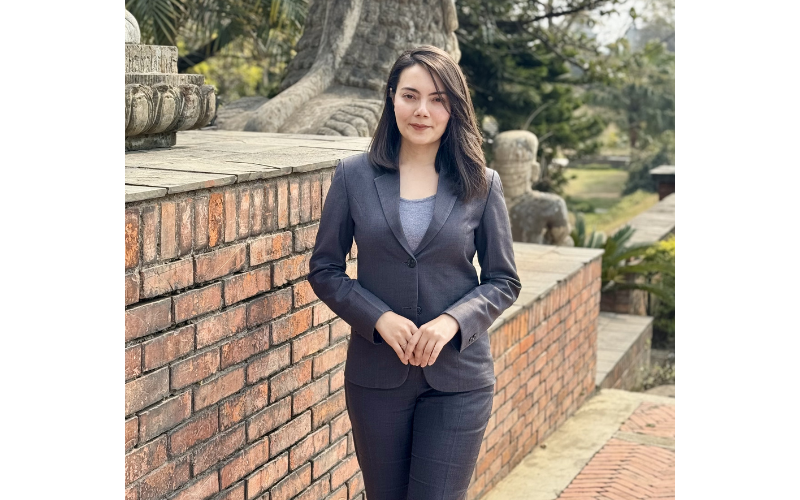
Simran Sapkota leads Marketing and Communications at Hyatt Place Butwal, bringing with her a storyteller’s instinct to the world of hospitality. With a passion for crafting narratives around places, people, and experiences, she ensures that every message reflects the emotions guests carry with them long after their stay. Having been with Hyatt for over four years, beginning her journey in Kathmandu, Simran took on the exciting challenge of joining the pre-opening team in Butwal, an opportunity that allowed her to shape the brand’s identity from the ground up in a new and evolving market.
What inspired your journey into marketing, and how did it lead you to Hyatt Place Butwal?
I have always been fascinated by how brands connect with people, not just visually, but emotionally. That curiosity naturally drew me into marketing. Hospitality made it even more compelling, as you are not simply selling a product; you are shaping an experience.
I have been with Hyatt hotel cooperation for over four years, having started my journey in Kathmandu. Moving to Butwal during its pre-opening phase presented an entirely new challenge, one I was eager to embrace. It offered a unique opportunity to build the brand from the ground up in a new market, where every idea has the potential to make a visible impact.
What does “home” mean to you, especially in an industry centred around welcoming others?
To me, home is more of a feeling than a place, it is comfort, familiarity, and a sense of being understood without needing to explain yourself. In hospitality, that is precisely what we strive to recreate through anticipatory service: understanding guest needs even before they are expressed. Even if a guest stays for just one night, if they feel at ease and experience something personal, then we have done our job well.
How do you approach cultivating long-term guest loyalty beyond transactional engagement?
Loyalty is not built on discounts or offers; it is rooted in consistency and memory. Guests remember how you made them feel. Our focus, therefore, is on creating meaningful touchpoints: personalised communication, thoughtful gestures, and experiences that go beyond expectations. Marketing plays a crucial role in sustaining that connection even after the guest has departed, rather than only engaging when we want them to return.
If you could innovate one aspect of hotel marketing today, what would it be, and why?
I would focus on deepening emotional engagement through storytelling that feels authentic and continuous. Rather than one-off campaigns, marketing should evolve into an ongoing narrative that reflects real guest experiences and human connections. This approach builds stronger brand recall and fosters genuine loyalty, rather than short-term engagement.

What do you see as the biggest challenge for Nepal’s hospitality sector today, and how can marketers help address it?
One of the key challenges is positioning Nepal beyond its identity as a destination defined solely by natural beauty. The country offers far more; rich culture, diverse cuisine, and evolving urban experiences, but these stories are not always effectively communicated. Marketers can play a pivotal role by crafting layered, contemporary narratives that shift perception from a “once-in-a-lifetime visit” to a destination people wish to return to.
What will success mean to you in the coming years?
Success, for me, lies in building something enduring. It is not just about executing campaigns, but about shaping a brand that people genuinely remember and connect with. I aspire to create work that feels authentic, drives tangible growth, and fosters strong teams. Looking back and knowing I have transformed ideas into meaningful impact particularly in emerging markets would define success for me.
Also Read