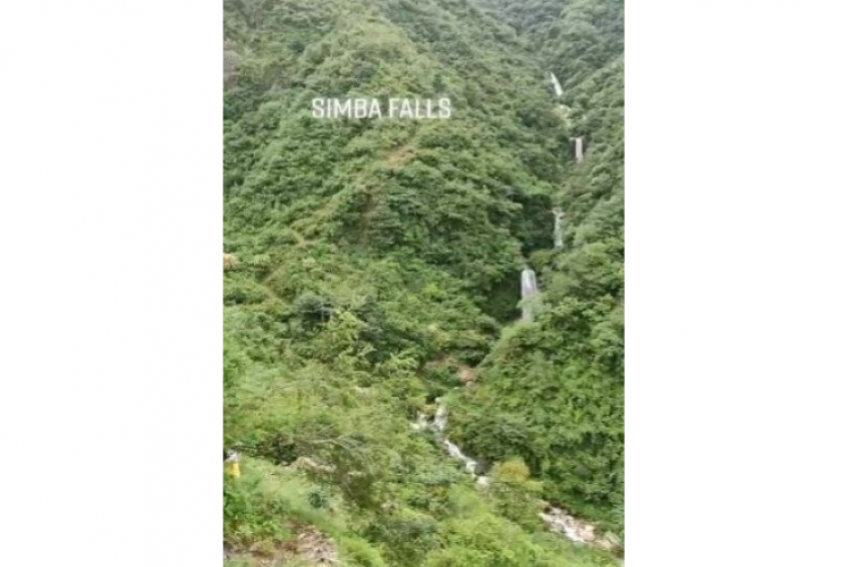
Nestled in the quiet hills of southern Lalitpur, Simba Falls is one of the lesser-known natural gems near the Kathmandu Valley, offering a refreshing blend of adventure, nature, and rural Tamang culture. Located around 45-50 km from Kathmandu, this multi-tiered waterfall has gradually gained popularity among hikers seeking a short yet rewarding escape from city life.
Simba Falls lies in the Mahankal Rural Municipality area, between Rigin Danda and Manikhel Khawa. It is not a single drop but a series of around five cascading streams that collectively form the waterfall system, flowing through dense forested terrain. The total height of the waterfall is estimated at around 300 metres, making it one of the more dramatic hidden waterfalls in the region.
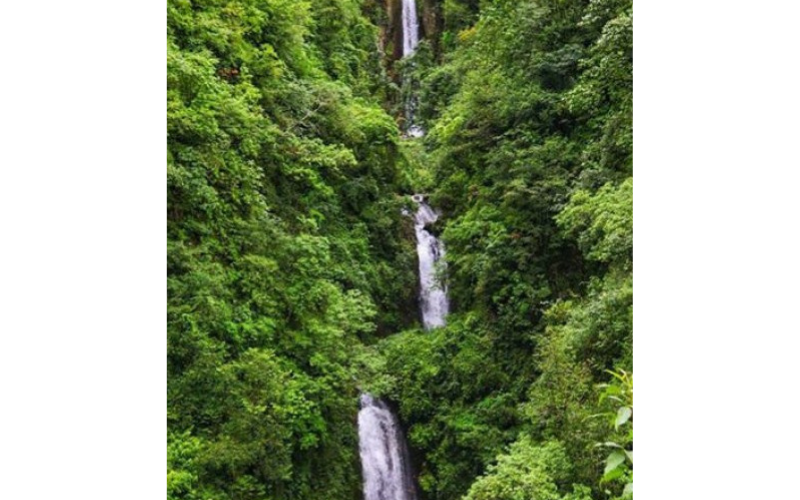
The name “Simba” comes from the Tamang language, meaning “cold”, a reference to the icy mountain water that flows throughout the year. Locals from the surrounding Tamang settlements of Manikhel have long regarded the area as part of their natural landscape, though it has only recently begun to attract visitors from outside the region.
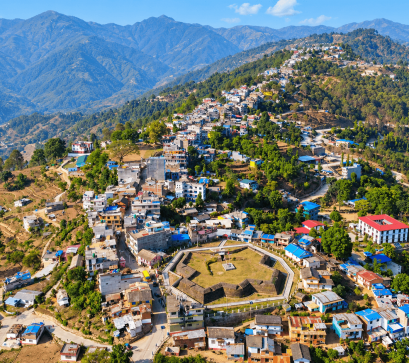
Simba Falls is situated in southern Lalitpur, within the Manikhel region, at an altitude of roughly 2,000 metres above sea level. The area is surrounded by terraced fields, forest trails, and traditional villages that offer sweeping views of the mid-hills.
The journey from Kathmandu typically takes 3 to 5 hours depending on road conditions, followed by a short hike through forest paths to reach the waterfall viewpoint.
Reaching Simba Falls is part of the experience itself. The route passes through Satdobato, Chapagaun, Lele, Bhardeu, Chaughare, and Gotikhel before reaching Manikhel.
While the initial stretch of road is relatively smooth, conditions gradually become rough and off-road-like, especially after Lele. Travellers often switch between jeep rides and short walks, with the final approach requiring a hike of around 30-60 minutes depending on the chosen trail.
The trail is known for being narrow and sometimes slippery, particularly during the monsoon season, when the waterfall is at its most powerful and scenic.
Unlike mainstream tourist attractions, Simba Falls remains relatively untouched, offering a raw and authentic nature experience. The waterfall flows through thick greenery, creating a cool microclimate that contrasts sharply with the warmer valley below.
Visitors often describe the sound of rushing water, misty surroundings, and forest silence as the most memorable aspects of the visit. The site is particularly striking during the monsoon months (June to September), when water volume is at its peak and the cascades are fully active.
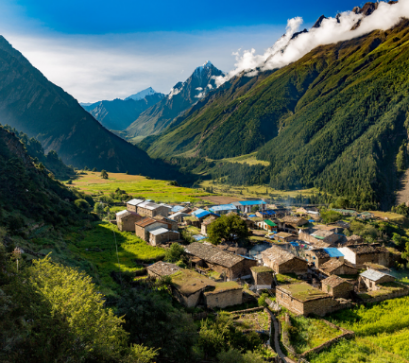
Beyond the waterfall itself, the surrounding Manikhel region is home to traditional Tamang villages, where visitors can experience rural Himalayan lifestyles, local farming practices, and warm community hospitality.
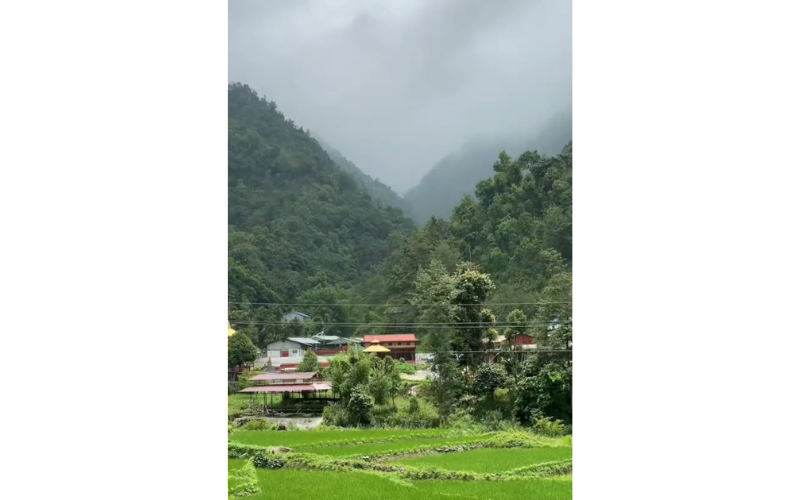
Travellers heading to Simba Falls often combine the trip with nearby cultural and spiritual sites, including Saraswati Kunda near Lele and various local temples scattered along the route. These stops add cultural depth to what is otherwise a nature-focused excursion.
Simba Falls is ideal for travellers looking for a quick nature escape from Kathmandu without committing to a long trek. It offers a mix of forest hiking, waterfall scenery, rural exploration, and peaceful isolation; all within a single day trip.
For those seeking a lesser-known destination that still feels adventurous and untouched, Simba Falls remains one of Lalitpur’s most rewarding hidden escapes.
Also Read