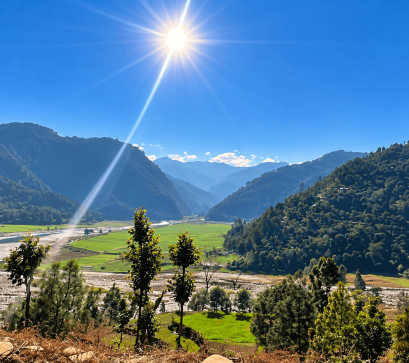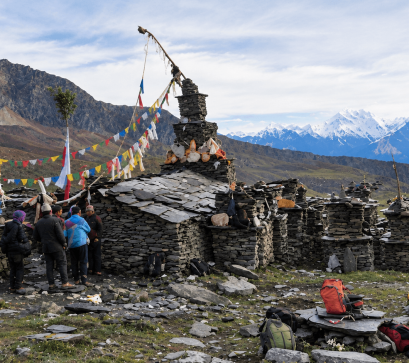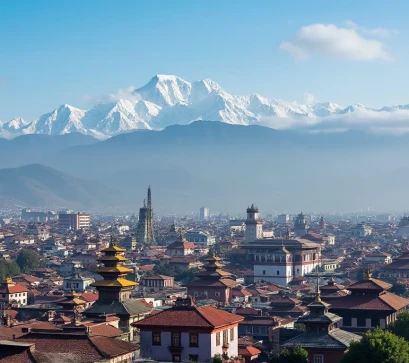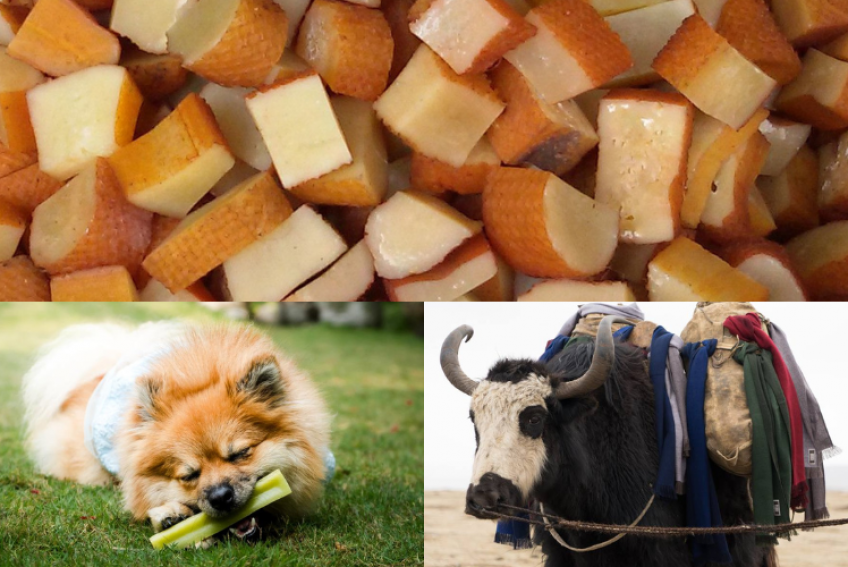
In the highlands of Nepal, where yaks graze across windswept ridgelines and life moves to the rhythm of the mountains, a simple food carries deep cultural and economic significance. Chhurpi, made from yak or cow’s milk is more than sustenance; it is a symbol of Himalayan resilience and tradition.
Consumed in both soft and hardened forms, chhurpi has long been integral to mountain diets. The soft variety features in local dishes, while the hardened version often considered one of the world’s hardest cheeses is chewed slowly, sometimes for hours. Once a subsistence staple, chhurpi is now finding new relevance within Nepal’s evolving tourism landscape.
From Pastures to Plates: The Making of Chhurpi
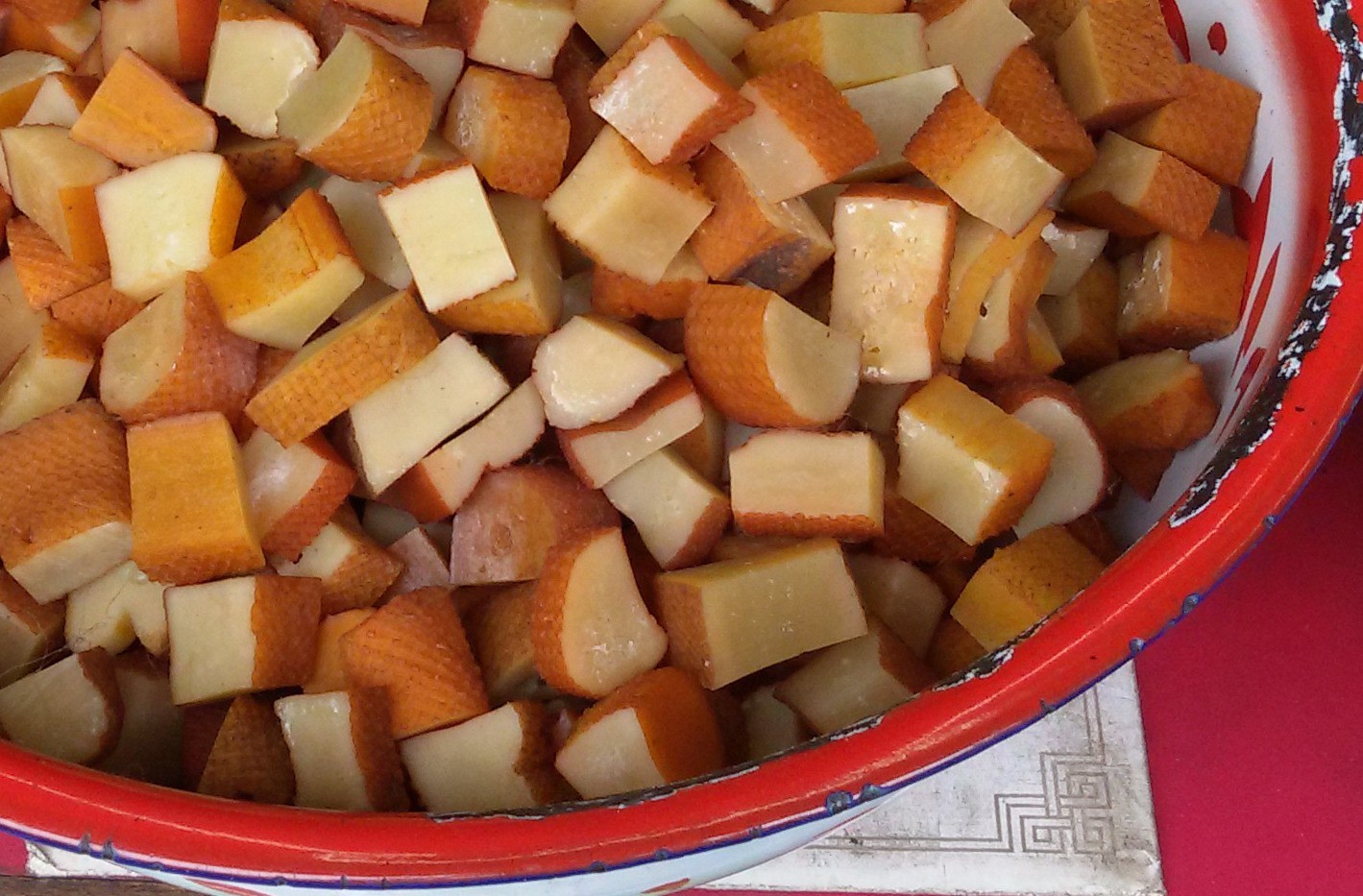
Chhurpi production is rooted in traditional knowledge systems passed down through generations. In regions such as Solukhumbu, Dolpa, Rasuwa, Mustang, and Manang, herders collect milk from yaks or chauris and process it using time-honoured techniques.
Milk is boiled, curdled, and strained before being pressed into blocks. For hard chhurpi, these blocks are sun-dried and often smoked over several weeks, producing a dense, long-lasting food suited to high-altitude life. The labour-intensive, organic process itself has become a point of interest for travellers seeking authentic, slow experiences.
Chhurpi as an Experiential Tourism Product
As Nepal pivots towards sustainable and community-based tourism, chhurpi is emerging within the broader framework of agro-tourism. Today’s travellers increasingly seek cultural immersion over passive sightseeing.
In select regions such as Langtang Valley and parts of Mustang, visitors can participate in chhurpi-making, stay in traditional homes, and, in limited community settings, accompany herders along grazing routes. Meanwhile, places like Ilam are incorporating dairy-based experiences into their agro-tourism offerings, albeit outside the high-altitude yak culture.
These interactions not only deepen the travel experience but also generate direct income for rural households, reducing reliance on seasonal trekking flows.
Fueling the Rural Economy
Chhurpi’s economic relevance now extends beyond local consumption. In recent years, it has gained international traction particularly in the United States and parts of Europe, primarily as a natural dog chew product.
This growing demand has opened export pathways for Nepali producers, transforming a traditional food into a global commodity. Cooperatives and small-scale entrepreneurs are investing in improved processing, packaging, and supply chains, supported by both government and development initiatives.
For communities in highland districts like Mustang and Manang, where agricultural options are limited, chhurpi provides a stable income stream. It supports household economies, encourages youth retention, and strengthens resilience in remote mountain regions.

Challenges and the Road Ahead
Despite its rising profile, the chhurpi sector faces structural constraints. Limited market access, inconsistent quality standards, and logistical challenges in remote terrain continue to hinder scalability.
Additionally, climate change is increasingly cited as a concern, with shifting weather patterns affecting pasture quality and livestock health in some regions. These pressures could directly impact milk production and long-term sustainability.
To unlock its full potential, Nepal must prioritise branding, certification, and quality assurance. Positioning chhurpi as a premium, organic Himalayan product could significantly enhance its value across both tourism and export markets.
A Taste of Sustainability
Chhurpi reflects the essence of slow, meaningful travel rooted in tradition, community, and sustainability. It offers more than flavour; it provides a connection to a way of life shaped by altitude, ecology, and heritage.
As Nepal diversifies its tourism offerings, chhurpi stands out as a compelling example of how indigenous knowledge and local resources can generate sustainable economic opportunities. In every bite lies a story of endurance, culture, and the quiet strength of the Himalayas.
Also Read