
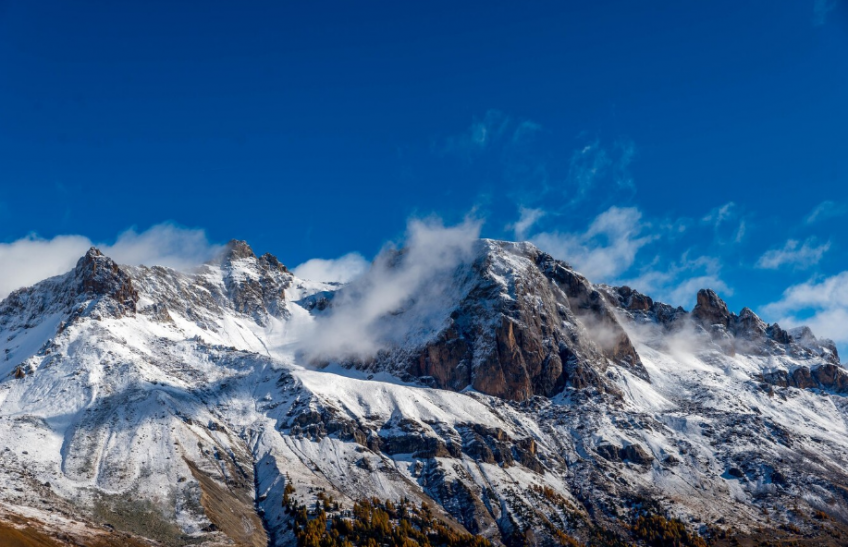
The Langtang valley trek is sometimes overlooked in favour of slightly more famous trails such as Everest Base Camp and Annapurna Circuit. For those that know Langtang, you will discover what this trek has to offer as it possesses a level of accessibility, unspoiled nature, and rich cultural experiences that are quite unparalleled. The primary advantage is you don’t need weeks to get it done. It is possible to walk in glacial valleys, hike up high-altitude ridges, and spend the overnight in secluded Tamang villages in just FIVE days from Kathmandu.
The Langtang Valley is located in central Nepal, adjacent to Tibet. The Langtang Valley is a part of Langtang National Park, Nepal's first ever Himalayan national park established in 1976. The Langtang Valley consists of high and tilted ridges, spectacular mountains, forests, meadows, alpine pastures, and vibrant Tibetan Buddhist culture. The Langtang Trek is less crowded, well priced, and still new to many travelers compared to Everest or Annapurna treks. The trek is an easy 5-day trek that is great for short-term travelers looking for a trip outdoors without requiring a high-altitude trip over a much longer period of time.
Your trip commences with a drive from Kathmandu in the early hours of the morning to the small town of Syabrubesi, the starting point for the Langtang trek. The drive takes about 6-7 hours, traveling through terraced fields, rural villages and beside the Trishuli river. Although the road is somewhat bumpy, it offers you a taste of rural Nepal and a representation of the transition from the urban disorder of Kathmandu to the peaceful mountain environments. Syabrubesi is a small village with basic guesthouses, shops, and a mixture of trekkers and local people.
Distance: 117 km
Duration: 6–7 hours by jeep/bus
Tip: Sit on the right side of the vehicle for better mountain views.
This first trekking day shows you the diversity of the Langtang ecosystem. You will cross the Bhote Koshi River on a suspension bridge and head into the wooded valley of the Langtang Khola, following the river upstream. The trek will be mostly uphill through a dense forest of large oak and rhododendron trees.
This part of the trek you will be surrounded by birdsong, rushing water from the river, and sometimes if you look up you may see a langur monkey in the trees. You will pass a few small settlements like Bamboo and Rimche and then eventually arrive at your lodging for the night, Lama Hotel, a collection of lodges in the forest.
Distance: 11 km
Trek Time: 6–7 hours
Difficulty: Moderate
Elevation Gain: ~830m
The further you go, the more the scenery starts to open up. Snow-capped peaks start to emerge through the trees, not least the imposing Langtang Lirung (7,234m). The forest gets thinner as you get higher, replaced by bushes and shrubs typical of the alpine area.
You will pass Ghodatabela - a small clearing with a checkpost (somewhere to stop and have some refreshments) - and progress through yak pastures and the odd prayer walls before you arrive at Langtang Village - a delightful village that has been rebuilt from the rubble of the intense earthquake that occurred in the area in 2015.
This day will allow you to experience high-altitude air and the traditional Tamang culture.
Distance: 14 km
Trek Time: 6–7 hours
Difficulty: Moderate to strenuous
Elevation Gain: ~1,050m
Today's trek is shorter than the average day yet visually jaw droopingly spectacular. You are walking past expansive yak pastures, glacial moraine, ancient stone structures and with fluttering prayer flags and distant peaks you are well on your way to Kyanjin Gompa, the spiritual and visual apex of this trek.
This tiny hamlet contains an ancient Buddhist monastery and a yak cheese factory. Once you have settled in, many trekkers enjoy hiking Kyanjin Ri for expansive panorama views of Langtang Lirung, Yala Peak and glaciers.
Distance: 7 km (to Kyanjin)
Optional Hike: 5 km round trip to Kyanjin Ri
Trek Time: 3–4 hours (to Kyanjin), 2–3 hours extra for Kyanjin Ri
Elevation Gain: ~440m to Kyanjin, ~900m for Kyanjin Ri
Depending on your pace and your time frame, you can walk all the way back to Syabrubesi, or you can stop at Lama Hotel to take it a little easy to end the trek. Although most trekkers chose to return to Lama Hotel and continue to Syabrubesi the following day, one can return to Syabrubesi in one day if they start early.
As you descend, the same landscapes appear from new perspectives, usually with relaxed muscles and clearer skies.
Distance: 21 km (to Syabrubesi)
Trek Time: 7–9 hours
Tip: Use trekking poles for the descent to reduce strain on knees.
The inhabitants of Langtang are essentially all Tamang, an ethnicity that comes almost entirely from Tibetan culture. Their villages are filled with the practices of Buddhism, which includes prayer flags, mani walls, and old monasteries.
For Langtang, the 2015 earthquake caused the absolute devastation of whole communities. The character of these people, their traditional, welcoming hospitality, and their efforts to recover have enriched the trekking in this area.
You will have opportunities to:
Visit Buddhist monasteries like the one in Kyanjin Gompa.
Taste yak cheese made locally.
Interact with local families and learn about traditional Himalayan life.
The 5-day Langtang trek is different from a longer trek for several reasons:
Balances effort and beauty: You will see a variety of terrain, culture and altitude in a short amount of time.
Avoids large crowds: You don't need to deal with crowded touristy trails or the crowd of tourists like you do in Everest or Annapurna.
Is more accessible: You don't need internal flights; just make a road trip from Kathmandu.
Offers the least effort / reward: Glaciers, high peaks, and local culture with no extreme altitude and no long expedition time.
The best times to trek Langtang Valley are:
Spring (March to May): Rhododendrons in bloom, warm days, and clear skies.
Autumn (September to November): Best weather, crystal-clear mountain views, and dry trails.
Avoid the monsoon (June to August) due to slippery trails and leeches, and winter (December to February) unless you're experienced in cold trekking conditions.
Pack light but pack smart your hiking backpack. You will need:
Layers: T-shirts, thermal clothing, fleece, and down jacket.
Rain gear: Weather can change rapidly.
Hiking boots: broken in and waterproof.
Trekking poles: Used all you get to descent down steep trails.
Reusable water bottles and purification tablets.
First aid kit, sunscreen, and sunglasses.
Cash: there are no ATMs after you leave Kathmandu.
Although the altitude doesn’t exceed 5,000 meters, you’ll still be trekking above 3,000m for multiple days. To minimize risk of Acute Mountain Sickness (AMS):
Ascend gradually.
Drink plenty of water.
Avoid alcohol.
Don’t skip the optional rest day if needed.
Two main permits are needed:
Langtang National Park Entry Permit – NPR 3,000 (approx. $25)
TIMS Card (Trekkers’ Information Management System) – NPR 2,000 (approx. $17)
Both are available in Kathmandu through trekking agencies or the Tourism Board office.
Expect basic but comfortable teahouses with twin-sharing rooms, shared bathrooms, and communal dining areas. Electricity is available in most villages, and Wi-Fi is present (but slow and paid) in some places.
Food includes:
Dal Bhat (rice, lentils, and curry) – the staple.
Noodles, pasta, eggs, and Tibetan bread.
Tea, hot lemon, and coffee are widely available.
Pro tip: The higher you go, the more expensive everything gets, due to porting costs.
Langtang is a safe region for trekking. However, it's wise to:
Inform someone of your route.
Hire a local guide if you’re unfamiliar with the area.
Carry a local SIM card (NTC has better coverage in Langtang).
The five-day trek into Langtang Valley is exceptional — it is rich in experience but light in time. Langtang provides glacial rivers, striking mountains, welcoming culture, and tranquil forests in an achievable itinerary. If you are a seasoned trekker with little time or first-time trekkers looking for a taste of what the Himalayas offer, Langtang provides pleasure and no headache.
Dodge the crowds. Experience the calm. Let the mountains speak for themselves.