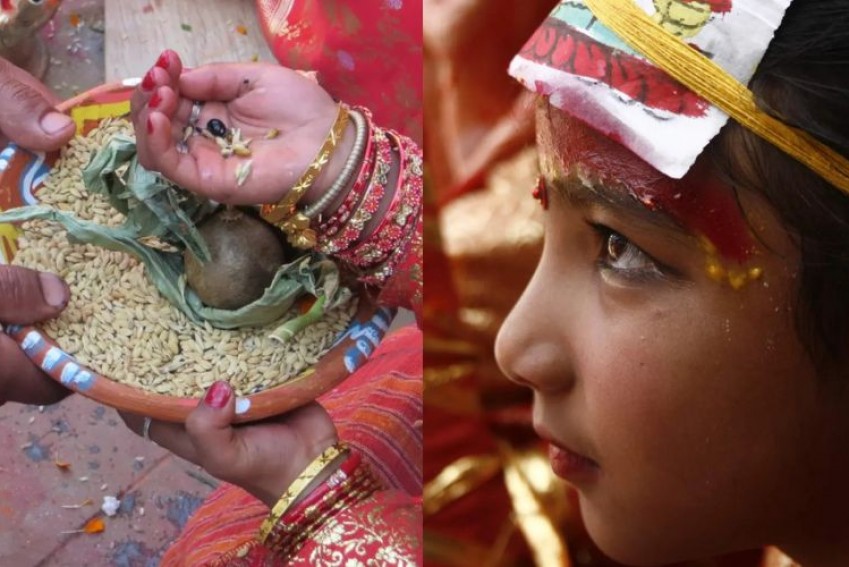
In the rich cultural tapestry of Nepal, few rituals are as distinctive and symbolic as Bel Bibaha, a pre-puberty marriage ceremony practised by the Newar community. Rooted in centuries-old tradition, this ritual is less about matrimony and more about spiritual safeguarding, social identity, and cultural preservation.
What is Bel Bibaha?
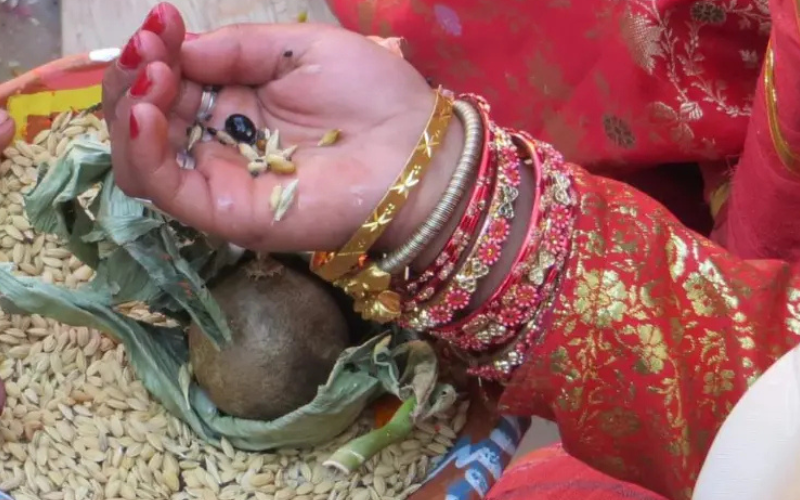
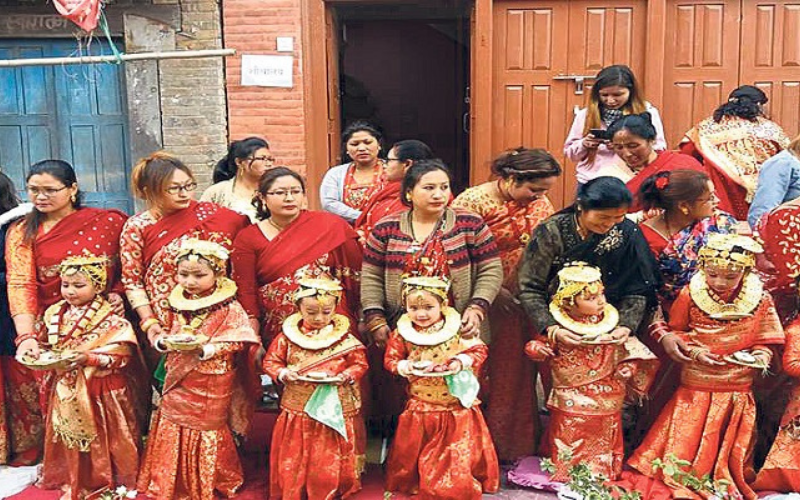
Bel Bibaha, also known as Ihi, is a traditional ceremony in which young Newar girls are symbolically married to the bael fruit (Aegle marmelos), a sacred fruit associated with Lord Vishnu. The bael fruit, believed to be eternal and imperishable, serves as a divine husband.
This ritual typically takes place before a girl reaches puberty and is considered one of the most important rites of passage in Newar culture.
Cultural and Spiritual Significance
The underlying belief of Bel Bibaha is that since the girl is symbolically married to an immortal deity, she can never be considered widowed even if her human spouse passes away later in life. This reflects a deeply rooted social philosophy that safeguards women from the historical stigma of widowhood.
The ceremony also marks a girl’s transition into the social fabric of her community, introducing her to cultural responsibilities and traditions.
Rituals and Ceremonial Process
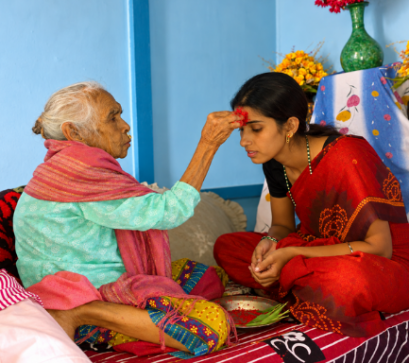
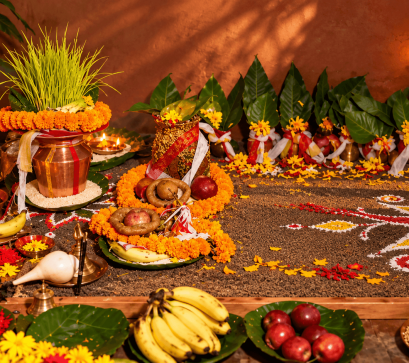
The Bel Bibaha ceremony is elaborate and often performed over several days with family gatherings, traditional attire, and rituals. Key elements include:
The event is both solemn and celebratory, blending spirituality with communal joy.
Why the Bael Fruit?
The bael fruit holds immense religious significance in Hindu traditions. Its hard shell symbolises resilience and eternity, making it an ideal representation of an everlasting divine partner. Its association with Lord Vishnu further reinforces its sacred role in the ritual.
A Living Tradition
Despite modernisation, Bel Bibaha continues to thrive within Newar communities across the Kathmandu Valley and beyond. Today, it is celebrated not only as a religious obligation but also as a vibrant cultural event that strengthens familial and community bonds.
For travellers and cultural enthusiasts, witnessing or learning about Bel Bibaha offers a fascinating glimpse into Nepal’s intangible heritage where symbolism, belief, and tradition intertwine seamlessly.
PC: Namrata Nakarmi, Hop Nepal
Also Read