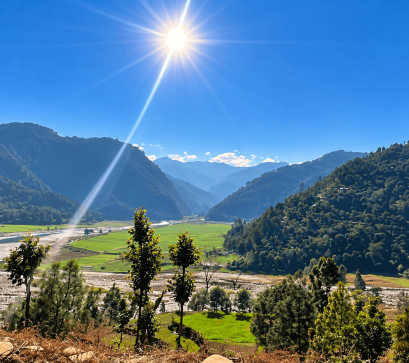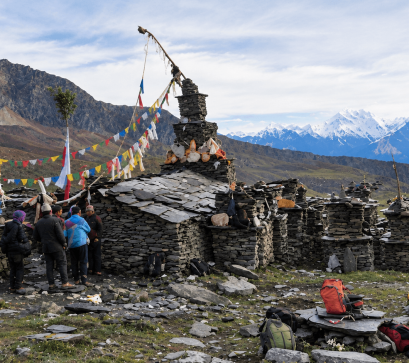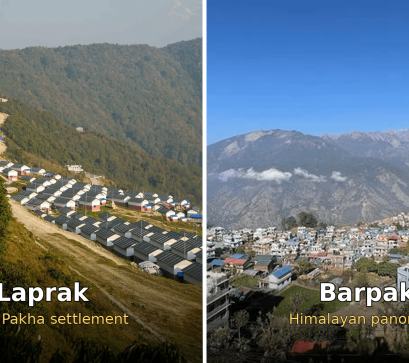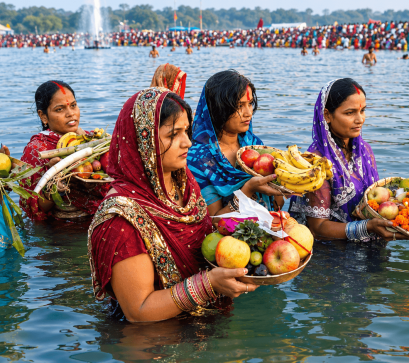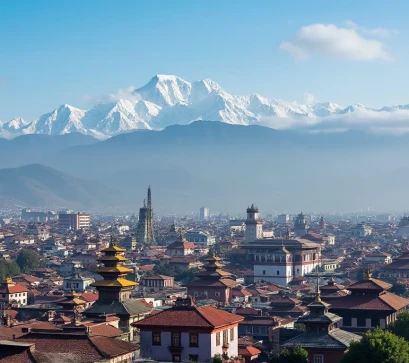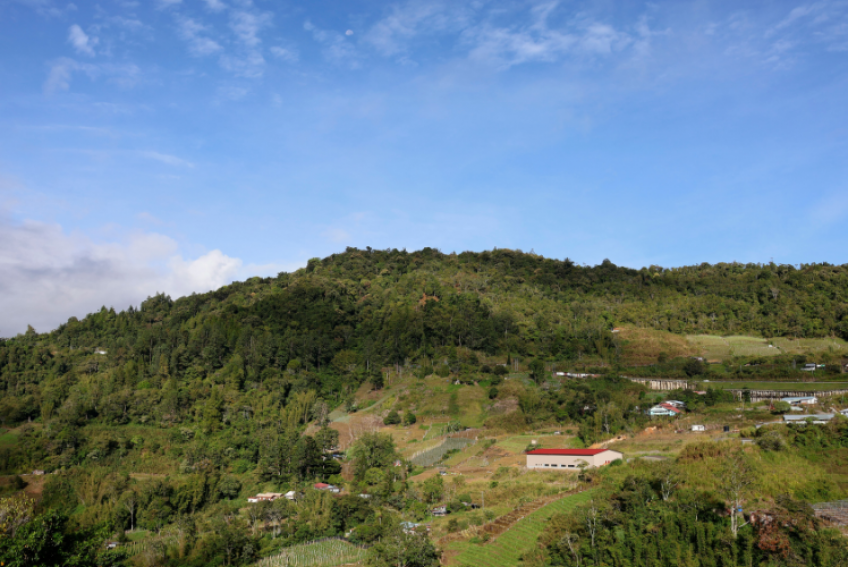
Across Nepal, from the mid-hills to highland settlements, hillsides unfold in layered steps of green and gold. These terraced fields are far more than scenic, they are a necessity. In a country where flat arable land is scarce, terracing represents a highly adaptive agricultural system that has enabled communities to thrive in challenging terrain for centuries.
Nepal’s geography is dominated by hills and mountains, with only about 17-20% of land considered arable. This constraint has shaped farming practices across generations, making terraces a defining feature of the national landscape.
A Solution to Steep Terrain
Much of Nepal’s terrain particularly in districts such as Lamjung and Gorkha is characterised by steep slopes. Cultivating these gradients without modification would accelerate soil erosion and render farming unsustainable.
Terracing converts slopes into a sequence of flat or gently sloped platforms, stabilised by stone or earthen risers. This dramatically reduces surface runoff and allows crops to be grown in otherwise inhospitable conditions.
Fact: In many mid-hill regions, slopes exceeding 30 degrees are still cultivated; made possible almost entirely through terracing.
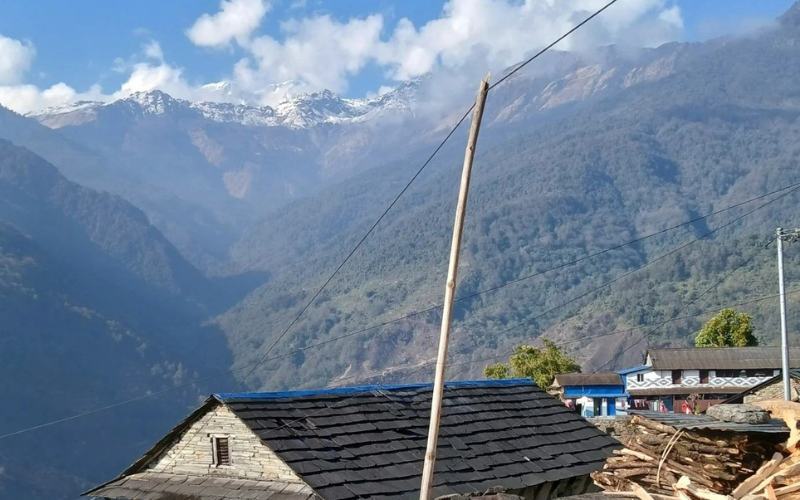
Water Management at Its Best
Terraces function as highly effective water management systems. During Nepal’s intense monsoon season, they slow down rainfall, allowing water to infiltrate the soil rather than wash it downhill.
This is particularly vital for paddy cultivation. In districts like Kaski, terraced rice fields create a cascading irrigation network, where water flows sequentially from one level to the next.
Fact: Rice accounts for roughly 50% of Nepal’s total cultivated land, and terraced paddies are central to its production in hilly regions.
Preserving Soil, Sustaining Lives
Beyond water control, terraces are essential for soil conservation. By reducing erosion and trapping sediments, they help maintain soil fertility over long periods.
This system reflects generations of indigenous engineering and ecological knowledge, fine-tuned to local conditions without reliance on modern machinery.
Fact: Without terracing, soil loss in steep Himalayan terrain can exceed 20-40 tonnes per hectare annually during heavy monsoon periods.
A Cultural Landscape
Terraced fields are deeply embedded in Nepal’s cultural and social fabric. They shape daily routines, agricultural calendars, and seasonal festivals tied to planting and harvest cycles.
In destinations such as Bandipur, these sculpted hillsides form part of the visual and cultural identity of the region offering travellers a living landscape where human adaptation and nature coexist.

A Landscape Beyond Farming
Today, Nepal’s terraced fields are more than an agricultural necessity, they are a defining tourism asset. Seen along routes in the Annapurna Region or experienced through village homestays, they reflect sustainable land use shaped by geography, climate, and generations of local knowledge.
At once functional and beautiful, these landscapes embody the principles of slow, experiential travel inviting visitors to engage with rural life rather than simply observe it. More fundamentally, they stand as a long-standing solution to steep terrain, erratic monsoons, and food security challenges, illustrating how communities have engineered resilience into one of the Himalayas’ most iconic environments.
Additional Quick Facts
.png)
Also Read