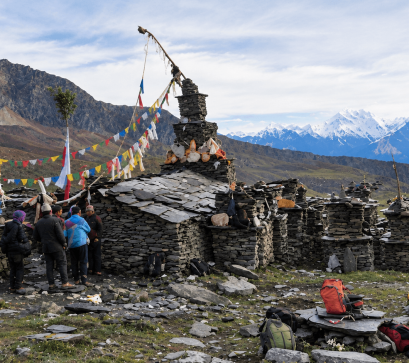
High in the remote reaches of the Himalayas, where glaciers stretch endlessly and human presence thins into silence, stories of a mysterious being have persisted for centuries. Known locally as the Yeti, this elusive creature occupies a unique space between myth, spirituality, and unexplained reality in Nepal’s mountain culture.
Often described as a large, ape-like figure covered in shaggy hair, the Yeti is said to inhabit the high-altitude regions of Nepal, particularly famous around Sagarmatha National Park and the surrounding valleys. While Western audiences may recognise it as the “Abominable Snowman,” in Nepal, the Yeti is far more than a curiosity, it is a figure deeply embedded in Himalayan belief systems.
Origins in Himalayan Folklore
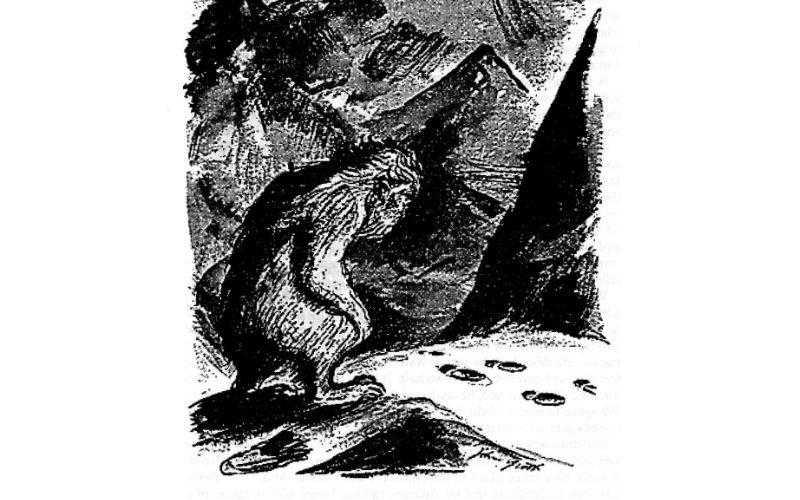
The legend of the Yeti is most strongly rooted in the oral traditions of the Sherpa people and other highland communities. For generations, these communities have passed down stories of encounters with a powerful, solitary being that roams the mountains.
In these narratives, the Yeti is not merely a creature to be feared. It is often regarded as a guardian of the mountains, an embodiment of nature’s raw, untamed force. Some tales portray it as a protector of sacred lands, warning humans against disrespecting the fragile Himalayan environment.
Encounters and Expeditions
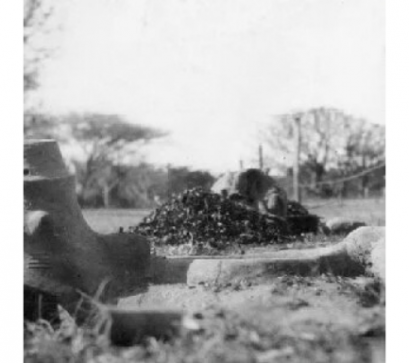
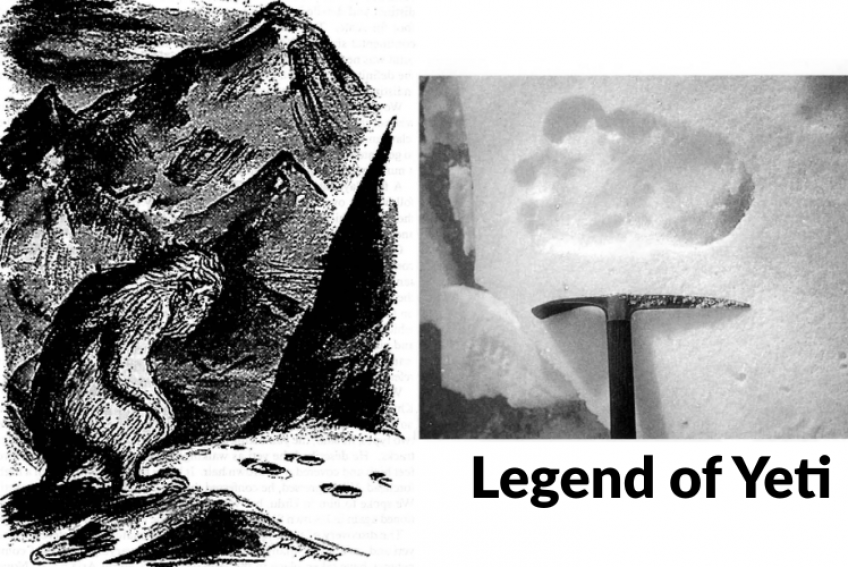
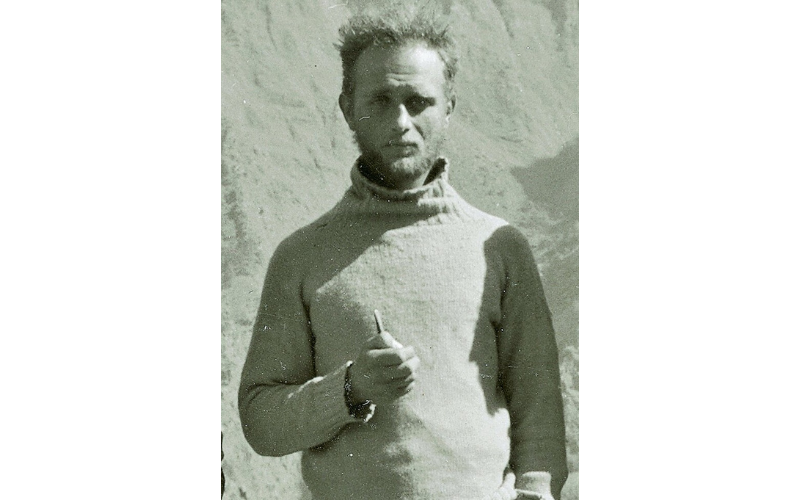
Interest in the Yeti extended beyond local folklore during the 20th century, particularly with mountaineering expeditions in the Everest region. One of the earliest widely publicised accounts came from Eric Shipton in 1951, who photographed a series of large, mysterious footprints on a glacier near Mount Everest.
These images captured global attention, fuelling fascination and debate. Subsequent expeditions attempted to gather evidence, ranging from alleged hair samples to tracks in the snow but none have conclusively proven the existence of the Yeti. Despite this, reports and sightings continue to surface, keeping the legend alive.
Between Myth and Meaning
Rather than focusing solely on whether the Yeti exists, many scholars and cultural observers emphasise its symbolic importance. In Nepal, the Yeti represents the unknown, a reminder of how much of the natural world remains beyond human understanding.
The legend also reflects a broader Himalayan worldview, where mountains are sacred and inhabited by spiritual entities. In this context, the Yeti becomes part of a larger narrative that connects people to their environment through reverence and storytelling.
A Legend
The mystique of the Yeti continues to shape Nepal’s tourism narrative, adding a layer of intrigue to journeys through the high Himalaya. Along routes such as the Everest Base Camp trail, travellers frequently encounter echoes of the legend, shared in local storytelling, preserved in monastery artefacts, and even displayed in places like Khumjung Monastery, where the famed “Yeti scalp” draws both curiosity and skepticism. While such relics remain widely debated, they enrich the trekking experience, inviting visitors to engage with the cultural and spiritual fabric of the mountains. In an age where much of the world has been charted and explained, the Yeti endures as one of Nepal’s most compelling mysteries, lingering not as something to be proven, but as a story to be felt, woven into the silence of the Himalaya where imagination travels as far as the wind.
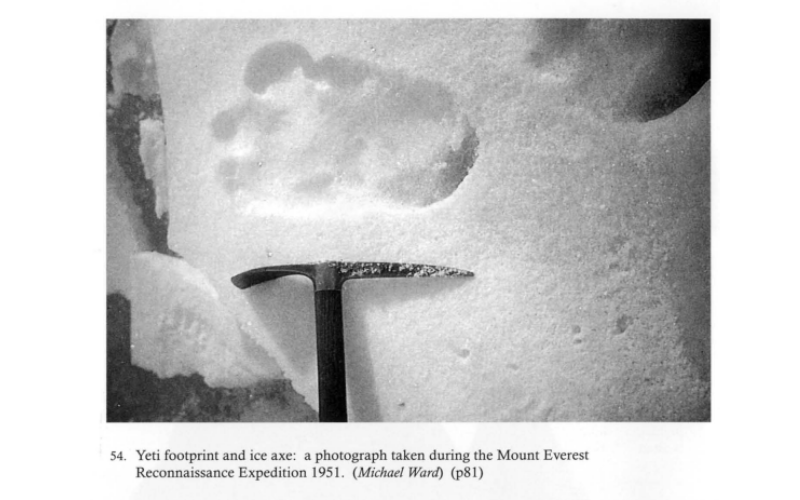
PC: AJ 1999 81-87 Ward Footprints, Wikipedia
Also Read