
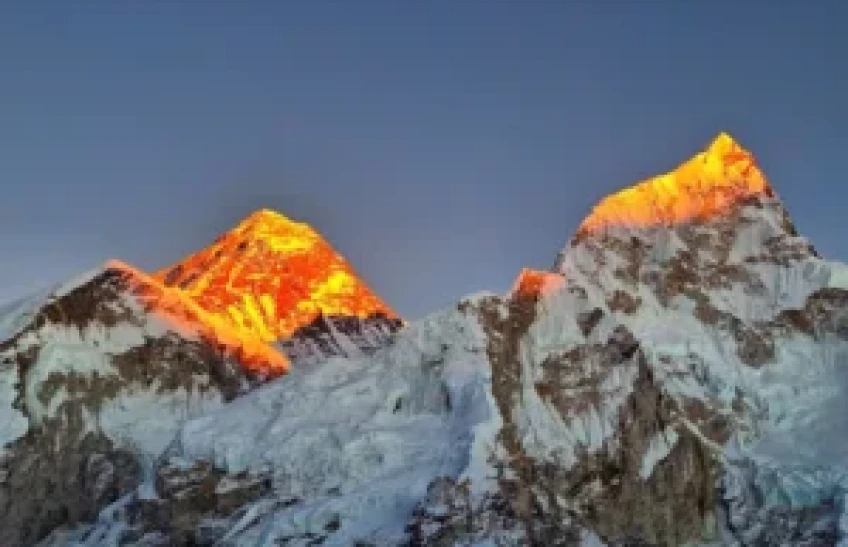
From ancient Sherpa villages and Buddhist monasteries to jaw-dropping Himalayan vistas, the Everest Base Camp Trek (EBC) is one of the most iconic hiking adventures on the planet. Whether you’re drawn by the call of Everest or the cultural richness of Nepal’s highlands, this high-altitude trek will leave you humbled, inspired, and exhilarated.
In this comprehensive guide, we’ll walk you through everything you need to know before hitting the trail, from Everest Base Camp elevation details to the daily itinerary, route distance, trek costs, and essential tips for a safe and successful journey.
Everest Base Camp (EBC) on the south (Nepal) side sits at 5,364 meters (17,598 ft). Most trekkers also summit the nearby Kala Patthar, a viewpoint at 5,545 meters (18,192 ft), often considered the highest accessible point for non-climbers.
Here’s a breakdown of altitude milestones:
Daily altitude gains range from 300 to 800 meters, so acclimatization days in places like Namche Bazaar and Dingboche are critical to avoid altitude sickness and keep your energy up.
The total distance of the trek is approximately 130 kilometers round-trip (about 65 km one-way from Lukla to Base Camp). Most people complete the journey in 12 to 15 days, depending on pace and acclimatization.
Day 01: Arrive in Kathmandu
Day 02: Preparation day – permits, gear check, final briefing
Day 03: Fly to Lukla (2,840m), trek to Phakding (2,610m)
Day 04: Trek to Namche Bazaar (3,440m)
Day 05: Acclimatization day in Namche (explore Khumjung or Everest View Hotel)
Day 06: Trek to Debuche (3,820m) via Tengboche Monastery
Day 07: Trek to Dingboche (4,410m)
Day 08: Acclimatization hike to Nagarjun Hill
Day 09: Trek to Lobuche (4,940m) via Thukla Pass
Day 10: Reach Everest Base Camp, overnight at Gorak Shep (5,164m)
Day 11: Sunrise hike to Kala Patthar, descend to Pheriche (4,240m)
Day 12: Trek back to Namche
Day 13: Trek to Lukla
Day 14: Fly back to Kathmandu
Day 15: Final departure
Want a more off-the-beaten-path experience? Consider alternatives like the Manaslu Circuit Trek, Annapurna Circuit Trek, or the Langtang Valley Trek, each with its own unique rewards and altitude profiles.
Every stop along the EBC trek offers a blend of culture, scenery, and acclimatization. Here's what to expect at key checkpoints:
Expect to spend between $1,300–$1,550 USD per person for a standard guided package. Solo trekkers may pay more due to minimum group pricing.
Pro Tip: Don’t skip travel insurance. It’s mandatory and could save you thousands in case of altitude sickness or evacuation.
Build your stamina with long hikes, stair climbing, and cardio workouts 2–3 months before departure. Focus on leg strength, core stability, and endurance.
Follow the golden rule: “Climb high, sleep low.” Use your rest days to do short hikes. Stay hydrated, avoid alcohol, and listen to your body.
Carry a 30L daypack for essentials and a duffel bag (carried by porters) for everything else. Don’t forget:
Eat often and don’t underestimate how cold it gets at night. Bring earplugs, a good sleeping bag, and maybe even a few comfort foods (instant noodles, protein bars, chocolate!).
Whether you're heading for Everest, circling Annapurna, or exploring Langtang, our local guides at BeThere are ready to help you plan the right route, pack properly, and trek confidently.