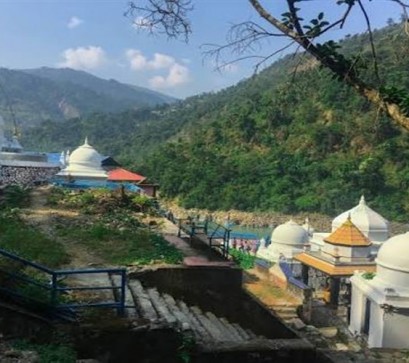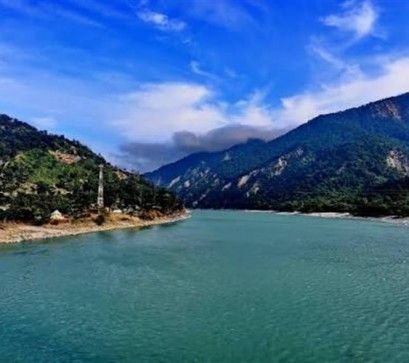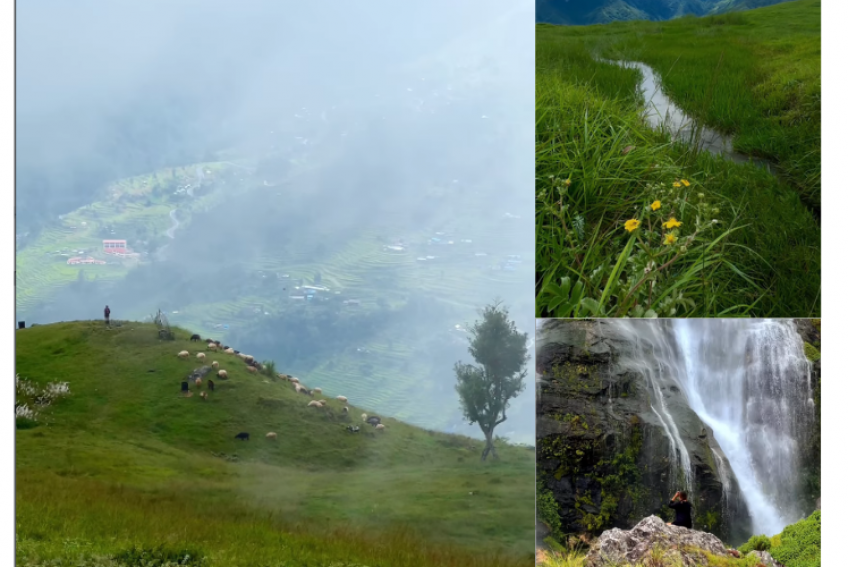
Tucked away in the serene hills of Nuwakot District, the village of Bhalche is quietly emerging as one of Nepal’s most refreshing offbeat getaways. Surrounded by rolling meadows, mist-covered ridges, grazing sheep, Tamang settlements, and panoramic Himalayan scenery, this hidden highland retreat offers a slower, softer side of travel that many urban dwellers are seeking today.
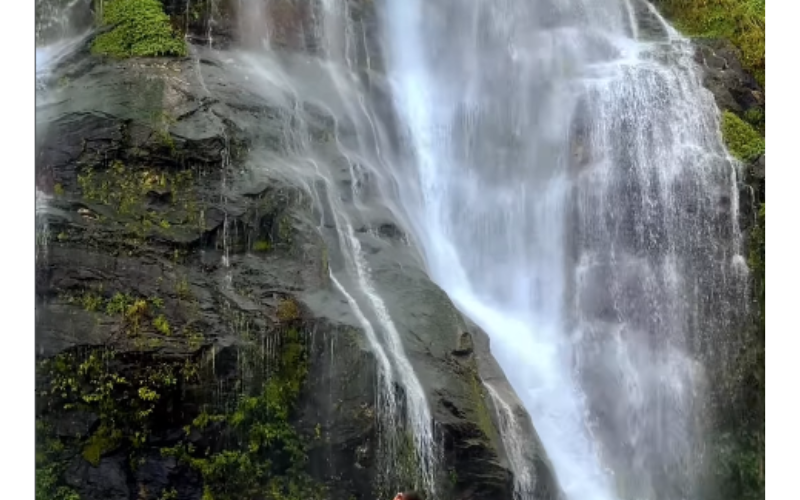
Far from the crowds of mainstream hill stations, Bhalche feels wonderfully untouched. The journey itself is part of the adventure: rugged mountain roads winding through forests, terraced fields, waterfalls, and remote villages eventually lead you to a peaceful landscape where clouds drift low over green pastures and silence becomes the loudest sound.
For travellers in search of a meaningful weekend escape from Kathmandu, Bhalche – and the surrounding highlands of Kispang Rural Municipality – delivers nature, culture, tranquillity, and rustic charm in equal measure.
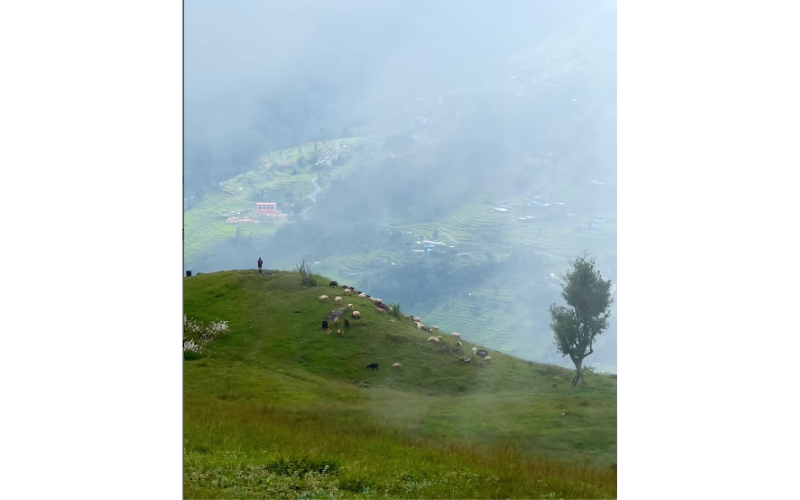
Bhalche is a village within Kispang Rural Municipality in Nuwakot District, Bagmati Province, approximately 85 kilometres north-west of Kathmandu Valley. The rural municipality was established in 2017 as part of Nepal’s administrative restructuring, and Bhalche now constitutes one of its wards. The region sits at a relatively high elevation of around 1,850 metres (6,105 feet), offering crisp mountain air and dramatic hillscapes.
Historically, Bhalche – formerly known as Pansyakhola – is renowned for possessing Nepal’s amongst largest sheep farms. The area remains closely connected to pastoral life, with livestock rearing and traditional farming forming the backbone of the local economy.
Reaching Bhalche is an adventure in its own right. The drive from Kathmandu generally takes five to seven hours, depending on road conditions and vehicle type. The route passes through Trishuli Bazaar and Betrawati before ascending towards Kispang and Bhalche via winding, sometimes precarious, hillside roads.
Travellers opting for a private jeep or motorcycle will find the journey challenging but immensely rewarding. Narrow, zigzagging roads give way to breathtaking vistas: terraced fields cascading down hillsides like green waves, dense forests, and glimpses of the Langtang and Ganesh Himal ranges. Those travelling by local bus should anticipate a considerably longer and more demanding journey, with limited schedules. An overnight stay is strongly recommended, making this a relaxed two- or three-day weekend getaway rather than a rushed day excursion.
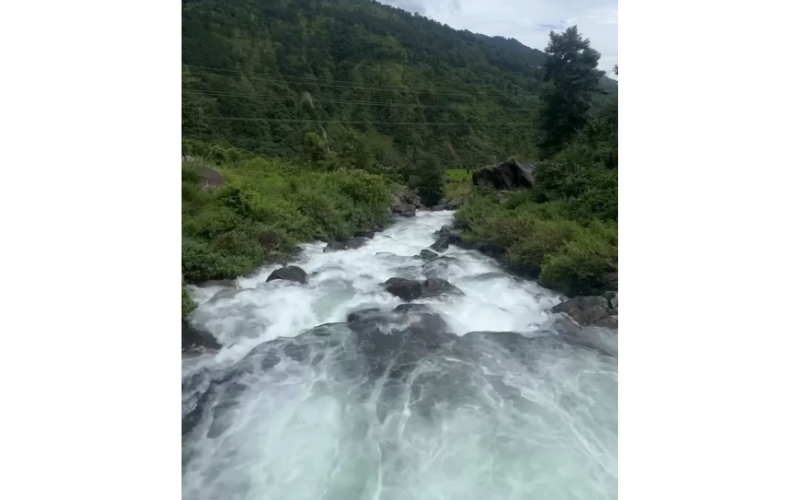
Pro tip: A high-clearance vehicle or off-road motorcycle is highly advisable, particularly during or after the monsoon season when roads can become slippery and degraded.
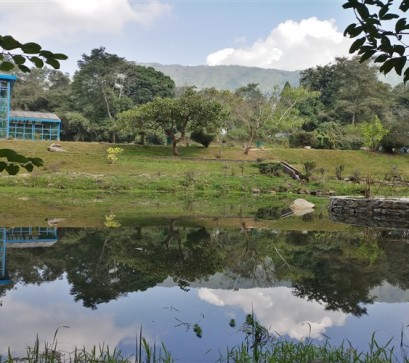
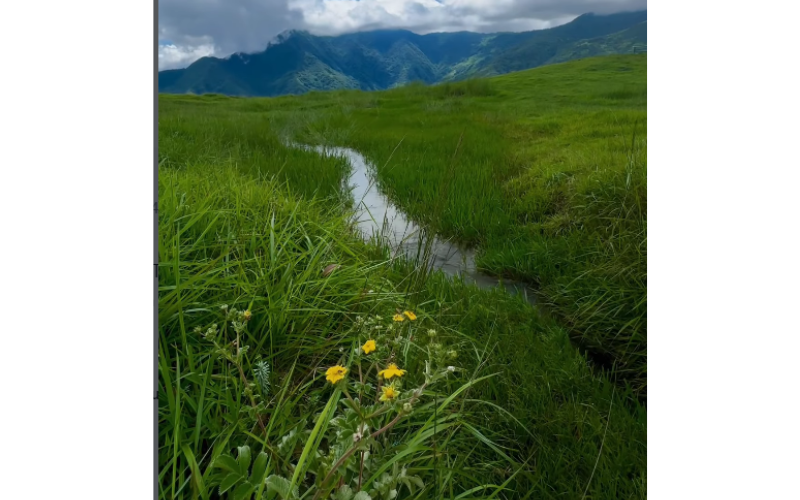
What immediately distinguishes Bhalche from many other hill destinations is its open grazing terrain. The broad meadows, dotted with sheep and bordered by dense green hills, create a distinctly alpine atmosphere rarely experienced so close to Kathmandu.
During the monsoon and post-monsoon months, the hills transform into lush carpets of emerald green. In winter, the landscape becomes golden and windswept, carrying a stark yet beautiful highland charm. Visitors frequently compare the scenery to Nepal’s more famous ridge destinations, such as Sailung.
Sunrise and sunset here are nothing short of magical. Early mornings often begin beneath drifting clouds before gradually revealing layered mountain ridges. As the first rays of sunlight kiss the snow-capped peaks of Langtang and Ganesh Himal, the entire valley glows in golden hues – a sight that lingers in the memory long after you have left.
The area’s peaceful environment also makes it ideal for:
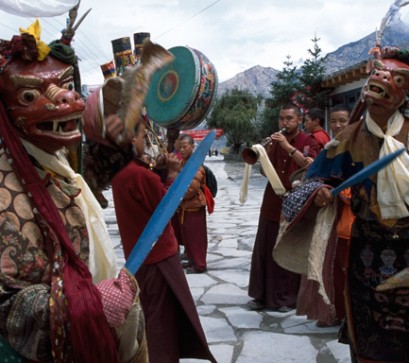
Beyond the scenery, Bhalche offers a rich cultural experience rooted in Tamang heritage and traditional mountain life. The Tamang people, one of Nepal’s indigenous ethnic groups, are known for their vibrant culture, warm smiles, and unhurried way of life.
Visitors can observe daily life unfolding slowly: women working in terraced farms, herders guiding their livestock through misty hills, prayer flags fluttering near ancient monasteries, and children walking village trails to school.
Festivals – such as Dashain, Tihar, Buddha Jayanti, and Lhosar – are celebrated with great enthusiasm, filling the air with the rhythmic beats of the damphu drum and the sound of Tamang Selo songs and traditional dances. On Ekadasi each year, the community gathers to worship the highest local mountain, known as Singhla, alongside Phikuri, as a symbolic gesture of peace.
The village is also home to a very old Buddhist monastery, established as early as 100 BC according to local tradition. This gompa, alongside the tranquil surroundings of Kispang Pokhari, offers visitors moments of quiet reflection amid nature.
One of the most authentic ways to experience Bhalche is through a homestay. Your hosts will welcome you with open arms, treating you like family. They will proudly serve you home-cooked dal bhat, perhaps accompanied by homemade raksi (local liquor), along with stories of their ancestors and way of life. By the time you leave, you will have learned not just how to cook a Tamang meal but also how to slow down and appreciate the little things.
While Bhalche is a perfect destination in its own right, it also serves as the gateway to longer treks into the Ganesh Himal and Langtang regions. The trek from Bhalche to Singla Pass (4,200 metres) is a nine-day camping trek that offers extraordinary panoramas of the Ganesh Himal massif, Manaslu, and the Langtang range.
Beyond the mountain views, the trail boasts abundant flora and fauna, magnificent village scenery, and the welcoming people of the mid-hills with their captivating customs and traditions. The best seasons for trekking are September to November and February to June.
A trip to Bhalche can easily be combined with nearby natural and cultural attractions within Kispang Rural Municipality.
Kispang Ground Apple: The rural municipality is gaining recognition for its unique agricultural products, including the ground apple (yacon) from Kispang, which is now being featured at local festivals and markets.
Shivapuri National Park: The drive from Kathmandu to Bhalche passes through a section of this peaceful, green national park, which is almost meditative in its tranquillity.
Nuwakot Durbar Square: History enthusiasts can make a detour to Nuwakot’s historic palace complex, a five-storey palace that once served as the base from which Prithvi Narayan Shah unified Nepal. Though damaged by the 2015 earthquake, restoration work is ongoing, and the area remains a deeply evocative site.
The ideal seasons for visiting Bhalche are:
During these months, skies are generally clearer, temperatures remain pleasant, and the surrounding hills appear exceptionally vibrant. The monsoon season transforms the region into a lush, green paradise, though roads become more challenging. Winter brings colder temperatures but also offers crisp mountain visibility and peaceful, crowd-free landscapes.
At a time when many popular destinations around Kathmandu are becoming increasingly commercialised, Bhalche still feels raw, quiet, and deeply connected to nature. It is not a luxury destination in the conventional sense – and that is precisely its appeal.
This is a place where travellers come not for polished infrastructure, but for mist-covered hills, open skies, grazing sheep, authentic village life, and the rare opportunity to disconnect entirely from urban noise.
For those willing to embrace a slightly rugged journey, the highlands of Kispang offer one of the most rewarding offbeat escapes in central Nepal.
Also Read

.jpg)
.jpg)