Nepal’s extraordinary biodiversity, stretching from the subtropical plains of the Terai to the alpine meadows of the high Himalaya, provides ideal conditions for a remarkable variety of medicinal and aromatic plants (MAPs). These herbs form the backbone of Nepal’s cherished herbal drinks, each closely linked to specific ecological zones, seasonal rhythms, and generations of traditional knowledge. From the refreshing aroma of mint in the mid-hills to the soothing essence of chamomile grown in warmer lowlands, Nepal’s herbal landscape offers more than flavour and wellness, it also supports rural livelihoods and strengthens sustainable, community-based herbal economies.
Jatamansi (Nardostachys grandiflora) - The Alpine Aromatic
In the high Himalayan and alpine belt, jatamansi thrives in cool, elevated habitats, most commonly between around 3,000 and 5,000 metres. It is found in remote mountain districts such as Dolpa, Humla, Jumla, and Mustang. Valued for its aromatic rhizomes, jatamansi typically flowers during the monsoon months and is harvested in late summer to autumn once the plant has matured. Traditionally collected from the wild, it is now increasingly cultivated through conservation and community programmes to ensure sustainability.
Health Benefits: Calms the mind, alleviates stress and insomnia, and supports brain health and relaxation.

Chiraito (Swertia chirayita) - The Bitter Tonic
Chiraito, prized for its intensely bitter properties, grows mainly in Nepal’s temperate hill belt, typically between about 1,800 and 2,700 metres, though it can occur more broadly across mid-hill zones. It thrives in eastern districts such as Ilam and Taplejung, where it is an important high-value medicinal herb. Chiraito flowers during the monsoon season and is usually collected from September through early winter, forming one of Nepal’s most recognised MAP exports.
Health Benefits: Detoxifies the body, supports liver function, regulates blood sugar, and aids digestion.

Tulsi (Ocimum tenuiflorum) - The Sacred Basil
Tulsi is among Nepal’s most revered and widely cultivated herbs, valued for both medicinal and religious significance. Rather than being limited only to low altitudes, tulsi thrives across warm subtropical climates and is commonly grown from the Terai up through the mid-hills, including home gardens in the Kathmandu Valley. Sown in spring and early monsoon, it can be harvested repeatedly during the warmer months, making it a staple ingredient in daily herbal teas.
Health Benefits: Boosts immunity, aids respiratory health, reduces stress, and has antimicrobial and adaptogenic benefits.

Mint (Mentha spp.) - The Refreshing Herb
Mint thrives from the lowlands up to around 1,600 metres, growing well in moist, fertile soils across Nepal’s hills and valleys. Typically planted in late winter or early spring, it is harvested from April to June when its essential oil content is at its peak. Mint remains one of Nepal’s most popular herbs for refreshing teas, culinary flavouring, and summer cooling drinks.
Health Benefits: Supports digestion, relieves nausea and bloating, refreshes the body, and enhances mental alertness.

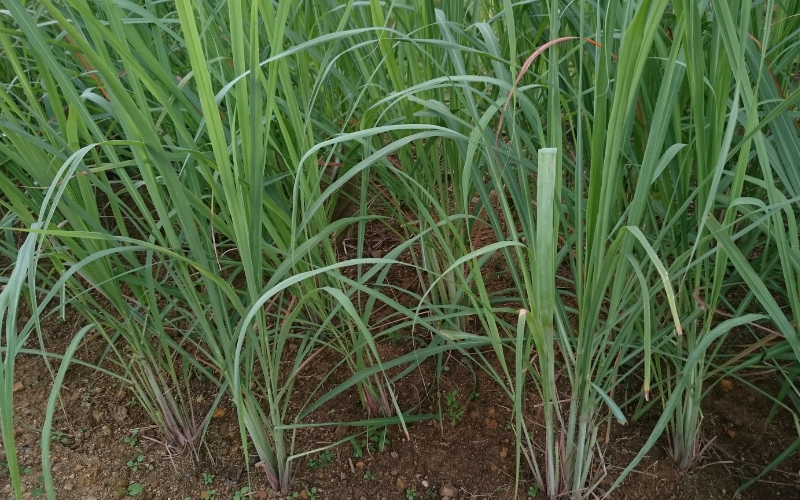
Lemongrass (Cymbopogon flexuosus) - The Citrus Grass
The Terai and inner Terai provide ideal environments for lemongrass, a perennial aromatic grass widely cultivated for both herbal teas and essential oil extraction. It is usually planted at the start of the monsoon season and harvested within three to four months, with multiple cuttings possible each year. Strongly associated with districts such as Bara, Banke, and Kailali, lemongrass is also successfully grown into the lower hills.
Health Benefits: Aids digestion, relieves bloating, reduces stress, and supports immunity through teas and herbal remedies.
Chamomile (Matricaria chamomilla) - The Calming Flower
Chamomile, though less traditional than tulsi or mint, German chamomile (Matricaria recutita), known locally as Tareful or Damini Ful is increasingly cultivated on herb farms in Nepal’s warmer plains and inner Terai. Sown in late autumn, it blooms through winter and early spring, producing delicate flowers harvested during peak flowering. Its mild aroma has made chamomile a popular ingredient in soothing herbal infusions.
Health Benefits: Promotes relaxation, eases insomnia, soothes digestive discomfort, and reduces mild anxiety.

These herbs reflect Nepal’s ecological richness and the deep relationship between landscape, season, and traditional knowledge. From the alpine origins of jatamansi to Terai fields of lemongrass and chamomile, each plant offers a distinctive flavour, cultural value, and role in rural livelihoods. For travellers, tasting local herbal teas or observing these plants in cultivation provides an immersive window into Nepal’s biodiversity, wellness heritage, and sustainable mountain-to-plain traditions
PC: Wikimedia Commons, Daraz
Also Read





.png)