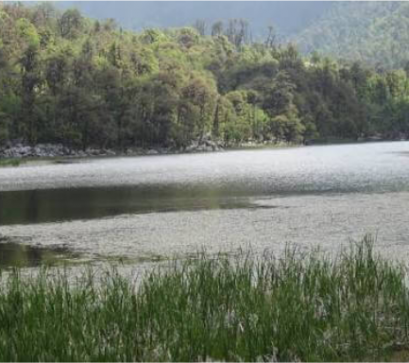
Flowing through the historic town of Sankhu on the northeastern edge of the Kathmandu Valley, Shalinadi often locally known as Sali Nadi is far more than a modest river. For centuries it has served as a sacred space of devotion, ritual and communal gathering, deeply embedded in Nepal’s religious traditions.
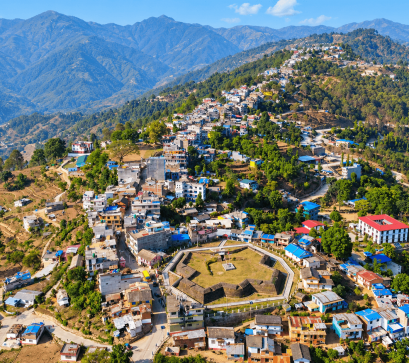
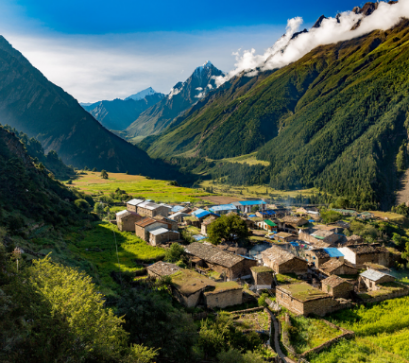
Situated roughly 17 kilometres from central Kathmandu, the river runs below Sankhu Bazaar within Shankharapur Municipality. The town itself is one of the valley’s oldest Newar settlements and is often referred to as Shankharapur, a name derived from its traditional conch-shell-like layout. Over generations, Sankhu has functioned as an important cultural and spiritual centre for communities across the region.
Cultural and Spiritual Significance
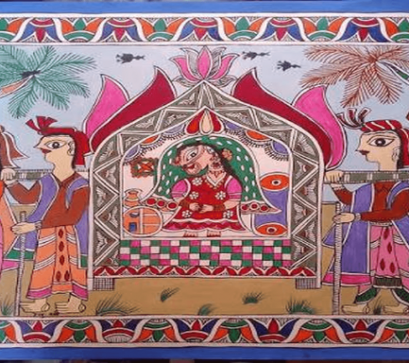
For many Nepalis, the banks of Shalinadi represent a site of profound religious importance. According to Hindu belief, Goddess Swasthani, regarded as a manifestation of Parvati, performed acts of devotion and purification at this sacred river.
These beliefs are recorded in the revered Swasthani Brata Katha, a 31-chapter Hindu scripture traditionally recited daily during the holy month of Magh. The reading of this text forms part of a month-long religious observance followed by many devotees across Nepal.
The river’s significance becomes especially visible during the Madhav Narayan Mela, a major pilgrimage festival that begins on the full moon of Poush and continues until the full moon of Magh (typically January to February).
.png)
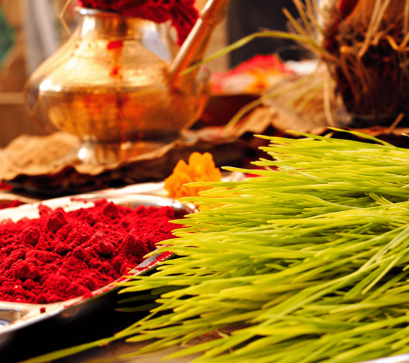
During this period, thousands of devotees travel to Sankhu to undertake the Madhav Narayan fast, perform ritual bathing in the river and participate in daily recitations of the Swasthani Brata Katha. Bathing in the cool waters of Shalinadi is widely believed to purify the soul, cleanse past sins and bring divine blessings. Women observing the Swasthani Brata in particular gather here for prayer, fasting and communal worship.
Shree Swasthani Temple and Festival Atmosphere
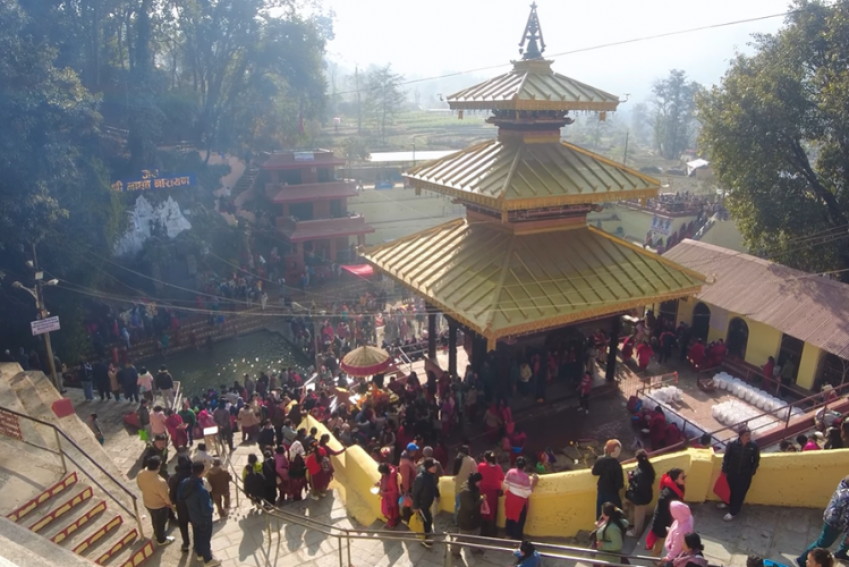
Near the riverbank stands the Shree Swasthani Temple, the principal shrine associated with the pilgrimage. Throughout the year devotees visit the temple to offer prayers seeking prosperity, spiritual merit and fulfilment of wishes.
During the Madhav Narayan Mela, however, the entire town of Sankhu transforms into a vibrant pilgrimage centre. Devotees line the riverbanks at dawn for ritual bathing, while temple courtyards fill with chanting, prayer and offerings. Temporary stalls selling local produce, traditional food and religious items add to the lively atmosphere.
For visitors, the festival offers a rare opportunity to witness a living expression of Nepal’s religious traditions and communal devotion.
Heritage, Nature and Community
Beyond its religious importance, Shalinadi forms an integral part of Sankhu’s cultural landscape. The riverbanks are dotted with shrines and stone idols dedicated to Hindu deities, including Shiva (Mahadev), Ganesh, Hanuman, and serpent deities such as Vasuki.
The surrounding town retains much of its historic character, with narrow streets, traditional Newar houses and intricately carved wooden architecture. Local crafts, temples and community spaces reflect centuries-old cultural practices that continue to shape daily life in Sankhu.
Visitors exploring the area will therefore encounter not only a sacred pilgrimage site but also a living heritage town that preserves the rich traditions of the Kathmandu Valley.
Visiting Shalinadi: Practical Information
Best Time to Visit
• January - February: Ideal for witnessing the Madhav Narayan Mela and Swasthani Brata celebrations.
How to Reach
• Sankhu lies around 45 minutes to one hour by road from Kathmandu, depending on traffic. Public buses and private vehicles regularly connect the valley to Shankharapur Municipality.
What to Expect
• Ritual bathing ceremonies
• Temple worship and devotional chanting
• Pilgrimage gatherings and community rituals
• Temporary markets selling local food and religious items
Cultural Etiquette
• Dress modestly when visiting temples and riverbanks.
• Respect pilgrims observing fasting and religious rituals.
• Avoid disturbing prayer ceremonies or sacred spaces.
Shalinadi is not merely a river but a spiritual landscape shaped by centuries of devotion, mythology and community tradition. Whether visited during the vibrant Madhav Narayan Mela or experienced in quieter moments along its peaceful banks, the sacred river offers travellers a meaningful glimpse into Nepal’s enduring religious heritage.
Also Read