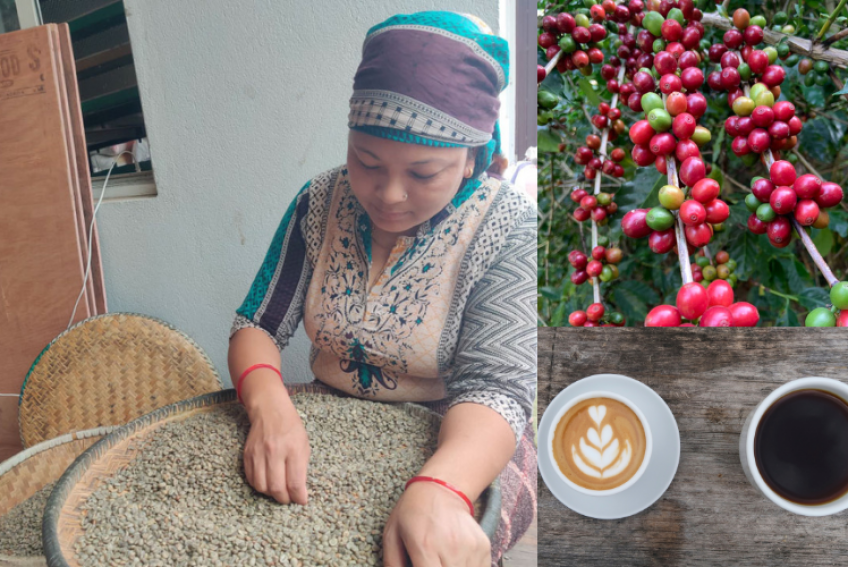
Nepal is widely known for its tea traditions, yet coffee has been steadily carving out its own place in the country’s beverage culture. Across the mid-hill regions of Nepal, farmers cultivate organic Arabica coffee that is increasingly being roasted and served locally, offering travellers a chance to experience a distinctly Himalayan brew.
From speciality cafes to boutique hotels, locally grown coffee is becoming easier to find, particularly in the Kathmandu Valley and other popular travel destinations.
.png)
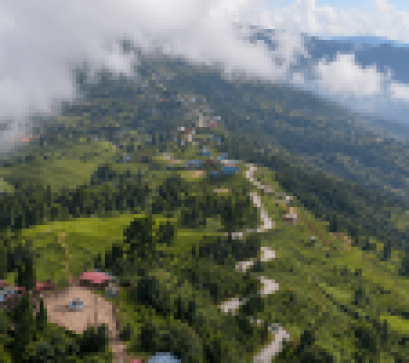
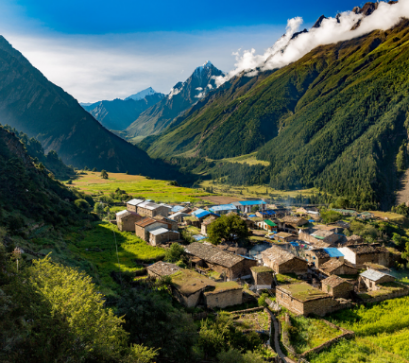
The Himalayan Coffee Landscape
Coffee cultivation in Nepal began in the early twentieth century and has gradually expanded to districts such as Gulmi, Palpa, Syangja, Lalitpur, and Kaski. Grown at elevations between roughly 800 and 1,600 metres, these beans benefit from the region’s moderate climate and fertile soil.
The result is a cup that is generally smooth, mild, and lightly acidic, often accompanied by subtle notes of chocolate, nuts, or floral undertones. Much of Nepal’s coffee is organically grown, largely because many smallholder farmers continue to rely on traditional farming practices.
As global interest in speciality coffee rises, Nepal’s small but promising coffee sector is gaining increasing recognition.
.png)
A Growing Presence in Cafes and Stores
Travellers exploring Nepal’s cities may notice that cafes are increasingly highlighting locally sourced beans. Speciality coffee shops in Kathmandu Valley often feature Nepali coffee on their menus, prepared as espresso-based drinks or through manual brewing methods such as pour-over.
Hotels and boutique accommodations are also incorporating Nepali coffee into their offerings, particularly for guests interested in tasting local produce. In addition, organic stores and speciality food outlets sometimes carry roasted beans and ground coffee from Nepali producers.
Among the local brands contributing to this growing coffee scene is Namo Coffee, a Nepali company focused on organic Himalayan Arabica beans. Like several emerging producers, it reflects a broader movement aimed at bringing locally grown coffee to both domestic consumers and international visitors.
A Small but Promising Industry
While Nepal’s coffee production remains modest compared to major coffee-producing nations, its emphasis on organic cultivation and high-altitude Arabica beans has helped it build a unique identity within the speciality coffee world.
.png)
For travellers, enjoying a cup of Nepali coffee offers more than a simple refreshment. It connects the experience of travel with the landscapes and communities of the Himalayan foothills where the beans are grown.
Whether encountered in a cosy cafe or purchased as freshly roasted beans to take home, Nepal’s organic coffee provides a flavourful reminder that the country’s culinary offerings extend well beyond its famed tea traditions.
Also Read







.png)