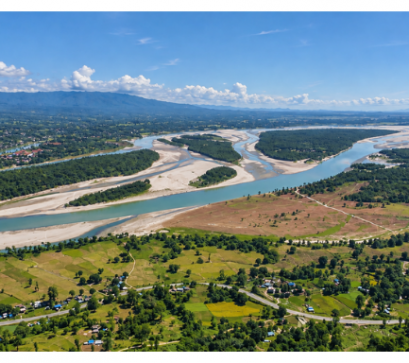
Modi Khola, also known as the Modi River, is one of the most significant tributaries of the Kali Gandaki River in western Nepal. Originating high in the Annapurna Himalayan range, this snow-fed perennial river flows through rugged mountain terrain before joining the Kali Gandaki at Modi Beni in Parbat District.
Geographical Profile
The river begins in the high elevations of the Annapurna region, where melting snow and glacial ice sustain its flow throughout the year. From its headwaters, Modi Khola travels approximately 50 km through deep valleys shaped by tectonic activity and seasonal monsoon rains, draining a catchment of around 675 km².
Several smaller tributaries, including Bhurangdi Khola, Rati Khola, Pati Khola, Malyangdi Khola, Ghandruk Khola and Ambote Khola, merge with the main river, enriching the basin’s hydrology.
The region receives most of its rainfall during the monsoon (May–October), when around 80 % of the annual precipitation occurs, contributing to a dramatic seasonal rise in water flow.

Hydropower and Development
Modi Khola is a hub of hydropower development owing to its steep gradient and consistent flow. Numerous run-of-river projects harness its energy to supply electricity across Nepal:
The Modi Khola Hydroelectric Power Plant (14.8 MW), operated by the Nepal Electricity Authority, began operating in the early 2000s.
The Lower Modi-1 Hydropower Project (10 MW) contributes further generation capacity.
Additional facilities are under construction or planned, including Middle Modi Khola (15.1 MW) and Lower Modi Hydroelectric Power Plant (20 MW).
These developments support the national grid and local communities but have also raised environmental concerns. Studies have highlighted limited compliance with environmental impact guidelines, leading to reduced aquatic habitat flows and declining fish populations.
Ecology and Riverscape
Modi Khola’s cold, clear waters are home to naturally occurring fish species such as snow trout (Asala) and various cold-water carps and catfish, though commercial fisheries are absent.
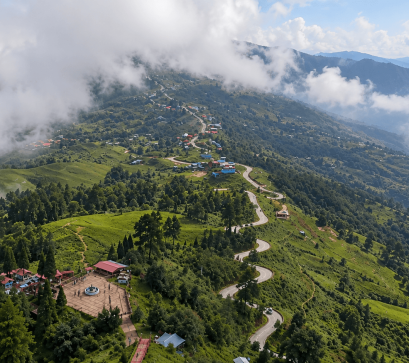
The river’s valley supports mixed land use: grassland, forest, pasture and some cultivated areas exist alongside natural terraces formed by historic fluvial processes.

Tourism and Recreation
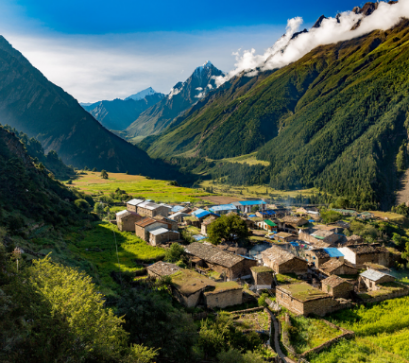
While Modi Khola is not among Nepal’s most widely promoted white-water rafting destinations, it offers spectacular mountain scenery and tranquillity for visitors exploring the western Annapurna region. The river cuts through valleys under snowcapped peaks and provides striking vistas from highways and trekking routes that connect the Annapurna foothills.
Nearby villages such as Ghandruk and Chhomrong act as gateways to popular trekking circuits in the broader Annapurna area, where visitors can experience traditional rural life amid dramatic Himalayan landscapes.
Local Livelihoods
Communities in the Modi Khola basin engage in subsistence agriculture and small-scale livestock rearing. Because the river’s water is exceptionally cold, it is generally not suitable for large-scale irrigation or widespread drinking use.
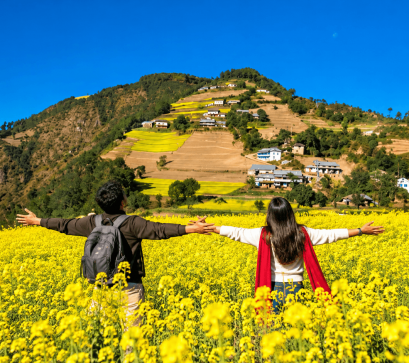
For travellers seeking a blend of natural beauty, cultural insight and energy-landscape interplay, Modi Khola offers an authentic Himalayan experience. Its dynamic watercourse and contrasting valleys emphasise the powerful geological forces that shape Nepal’s mountains and the ways in which people adapt and thrive beside them.
PC: Flickr, Janette Asche
Also Read