The Limbu people, who identify themselves as Yakthung, are one of Nepal’s major indigenous communities with an ancient presence in eastern Nepal. Predominantly settled in eastern Nepal, Limbu culture is distinguished by its ancient oral traditions, spiritual relationship with nature, and a strong sense of ancestral identity. For travellers seeking to understand Nepal beyond its monuments and mountains, Limbu culture offers a profound glimpse into the country’s living indigenous heritage.
Limbuwan: The Ancestral Homeland
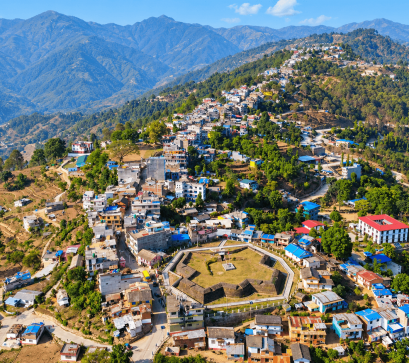
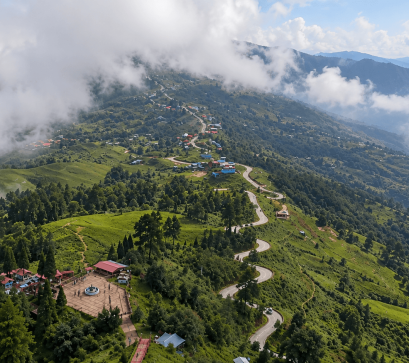
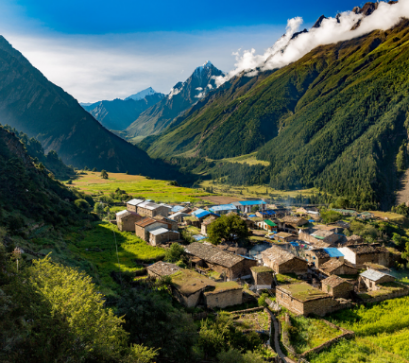
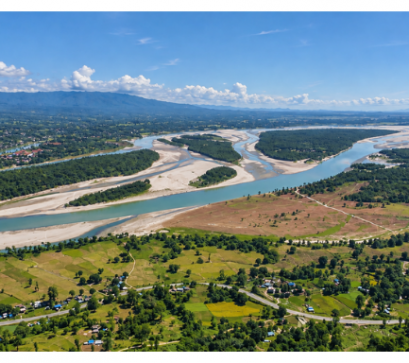
The traditional Limbu homeland, known as Limbuwan, covers parts of present-day situated in Koshi province such as Taplejung, Panchthar, Ilam, and Terhathum. Historically, Limbuwan existed as a semi-autonomous region governed by local chiefs before being integrated into the Nepali state. Land, ancestry, and place remain deeply interwoven in Limbu identity to this day.

Mundhum: Oral Scripture and Worldview
At the heart of Limbu belief lies the Mundhum, an ancient oral corpus that guides religious rituals, social conduct, and philosophical thought. Passed down through generations by ritual specialists such as Sambas and Phedangmas, the Mundhum explains creation myths, ancestral worship, and the sacred relationship between humans and the natural world. Unlike written religious texts, its oral transmission reinforces communal memory and continuity.
Festivals Inspired by Nature
The most important Limbu festival is Chasok Tangnam, a post-harvest celebration dedicated to thanking nature, ancestral spirits, and deities for agricultural abundance. Observed with rituals, music, dance, and communal feasts, the festival reflects the Limbu worldview that human prosperity is inseparable from ecological balance.
Language and the Sirijonga Script
The Limbu language, part of the Tibeto-Burman family, is central to cultural identity. It is written in the Sirijonga script, one of Nepal’s rare indigenous writing systems. The script was revived in the 18th century by scholar Sirijonga Xin Thebe, playing a crucial role in preserving Limbu literature, rituals, and oral traditions.
Clan System and Social Values
Limbu society follows a clan-based structure, with clans tracing descent from common ancestors. Surnames such as Chemjong, Lingden, Menyangbo, Phago, and Tumbapo signify lineage and ritual roles. Respect for elders, collective decision-making, and strong kinship bonds remain fundamental social values.
Traditional Dress and Cultural Identity
Traditional attire is a visible expression of Limbu heritage. Women commonly wear mekhli, paired with choubandi cholo and patuka, often adorned with symbolic gold jewellery. Men may wear traditional Limbu garments or national dress, sometimes accompanied by cultural headgear. These garments are especially prominent during festivals and ceremonial occasions.

Music, Dance, and the Chyabrung
Music and dance occupy a central place in Limbu cultural life. The Kelang dance, performed to the powerful rhythms of the Chyabrung (double-sided drum), symbolises harmony between humans, ancestors, and nature. The dance is both celebratory and spiritual, embodying collective memory and identity.
Despite rapid modernisation and migration, Limbu culture remains vibrant. Language revitalisation, ritual practice, festivals, and community organisations continue to sustain traditions that have endured for centuries. For visitors to eastern Nepal, engaging with Limbu culture offers an authentic encounter with one of the country’s most enduring indigenous legacies.
PC: Wikimedia Commons
Also Read