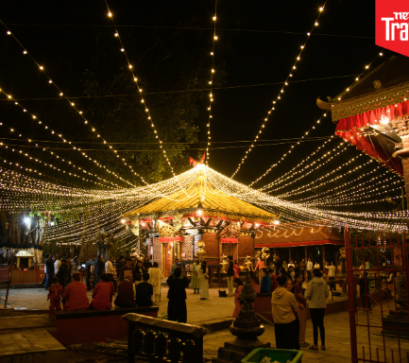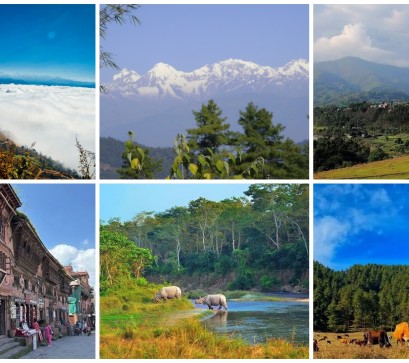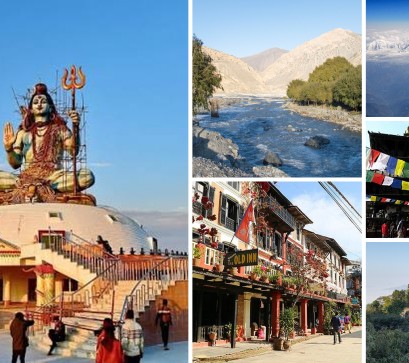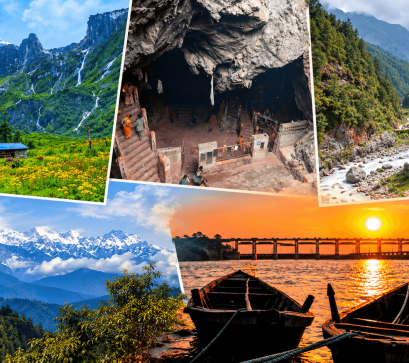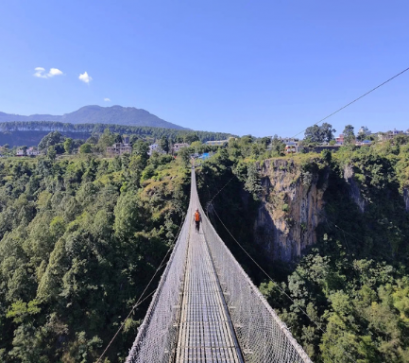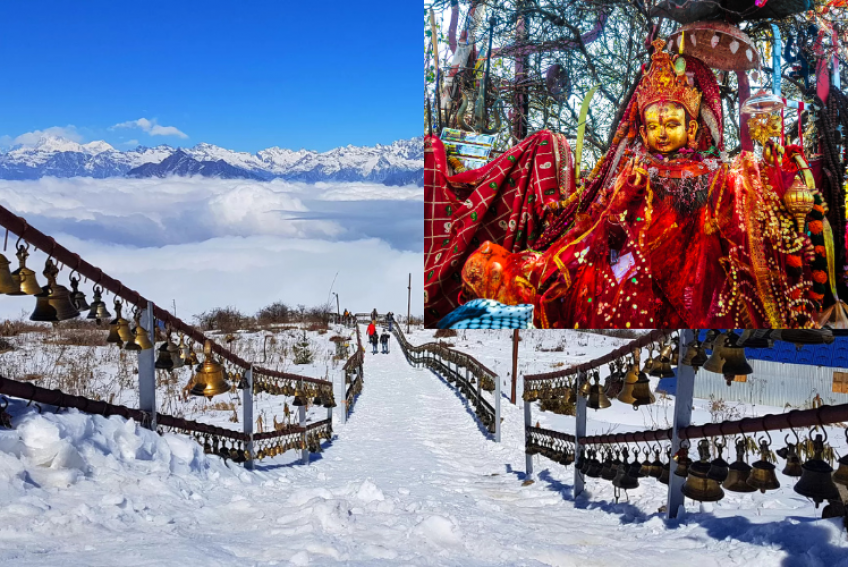
Perched at an elevation of 3,794 metres above sea level, Pathibhara Temple stands as one of Nepal’s most revered pilgrimage destinations. Located in Taplejung in eastern Nepal, the shrine draws thousands of devotees and travellers each year who journey through winding mountain trails to seek blessings from Goddess Pathibhara. Beyond its spiritual aura, the temple also captivates visitors with its striking mountain setting, cultural depth, and traditional Himalayan architecture.
For tourists, Pathibhara offers far more than a religious visit, it is a harmonious blend of spirituality, architecture, trekking, and sweeping views of the eastern Himalayan range, including the majestic Kangchenjunga.
Historical and Religious Significance
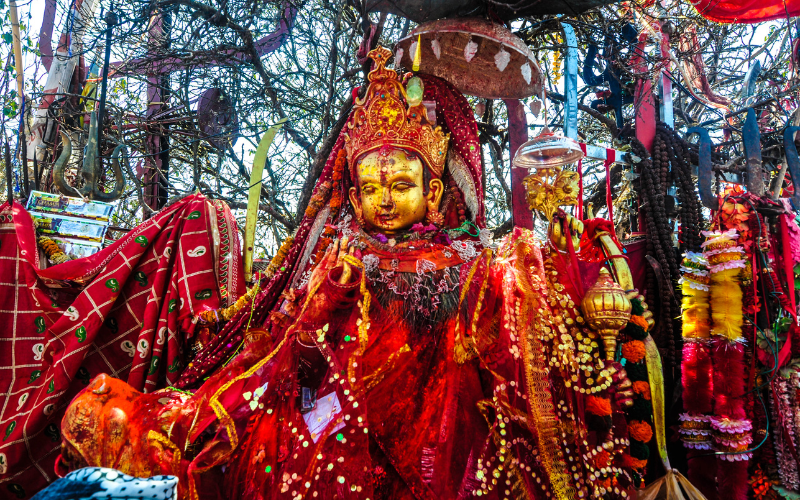
Pathibhara Temple, also known as Pathibhara Devi Temple, is dedicated to Goddess Pathibhara, a manifestation of Goddess Durga. It is widely revered as one of Nepal’s sacred Shakti Peeths, believed to fulfil the wishes of devotees. Worshippers from Nepal, India, and beyond visit the shrine, especially during Dashain and Navratri, when the temple witnesses a remarkable surge in pilgrims.
The site also holds deep significance for the indigenous Limbu community, who have long worshipped the hill and sacred rock as Mukkumlung, associating it with their spiritual tradition and deity Yuma Sammang. This layered religious history adds profound cultural richness to the destination.
The site is thus both a Hindu pilgrimage center and a Limbu sacred site, making it a rare example of overlapping religious traditions. Dashain and Navratri are peak Hindu pilgrimage times, while Limbu rituals emphasize ancestral worship and offerings at Mukkumlung.
Architectural Features of Pathibhara Temple
One of the most fascinating aspects of Pathibhara Temple is its understated yet deeply symbolic architecture.
Vernacular Himalayan Shrine Design
The temple is built in the pagoda style, consistent with many Nepalese shrines, but simplified due to its high-altitude location. Its current structure dates back to the 19th century.
Sacred Sanctum and Shrine Core
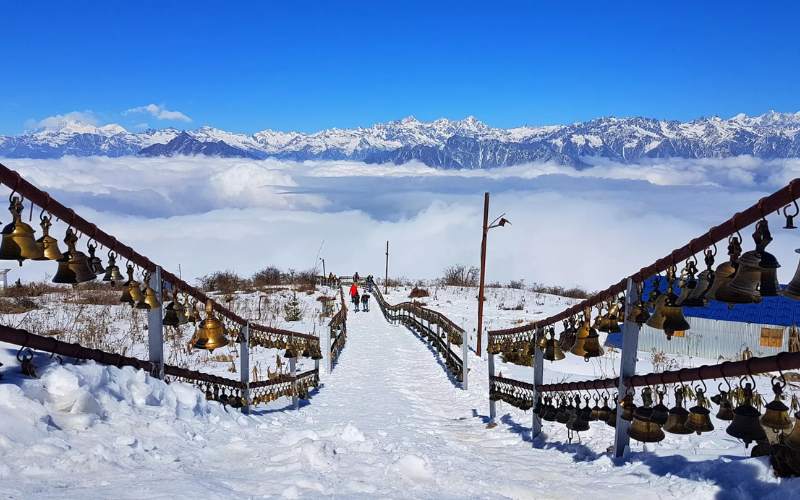
At the heart of the temple lies the sanctum housing the revered deity. The sacred space is adorned with bells, prayer flags, metal tridents, copper offerings, and ritual lamps, reflecting a fusion of Hindu and Himalayan devotional aesthetics.
Metal Craft and Ornamental Elements
A notable architectural detail is the temple’s copper and brass ornamentation, including ceremonial gates and ritual objects donated by pilgrims. These metallic elements not only enhance the sacred ambience but also showcase Nepal’s long-standing tradition of religious metal craftsmanship.
Rest Houses and Pilgrim Shelters
The surrounding architectural landscape includes stone-paved pathways, resting shelters, prayer stops, and small lodges, designed to accommodate pilgrims making the uphill journey. These functional structures contribute significantly to the temple’s cultural landscape.
The Journey: Trekking to Pathibhara
For many visitors, the journey to Pathibhara is as memorable as the destination itself.
The trek usually begins from Fungling, the district headquarters of Taplejung, and continues through scenic forests, rhododendron trails, mountain ridges, and local settlements. Depending on the route, the trek may take one to three days.
The recently improved walking paths have further enhanced accessibility for pilgrims and tourists alike.
Why Tourists Should Visit
Pathibhara Temple is ideal for travellers seeking:
The panoramic Himalayan vistas from the shrine are particularly breathtaking during autumn when the skies are clear.
Best Time to Visit
The best seasons to visit are:
Autumn (October-November): clear mountain views and festive atmosphere
Spring (March-April): blooming rhododendrons and pleasant trekking weather
Dashain and Navratri are particularly significant for cultural and spiritual experiences.
FAQs
Where is Pathibhara Temple located?
Pathibhara Temple is located in Taplejung district, eastern Nepal, at an altitude of 3,794 metres.
How difficult is the trek?
The trek is moderate and suitable for most travellers with basic fitness levels.
What makes its architecture unique?
Its architecture is defined by a modest Himalayan shrine design with metal ritual ornamentation, stone pathways, and mountain-adapted structures.
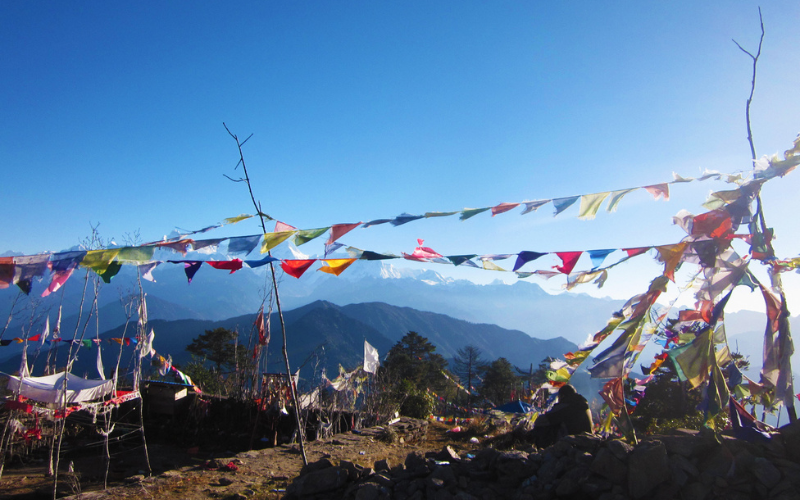
PC: Hike On Trek & Travel, Wikimedia Commons
Also Read