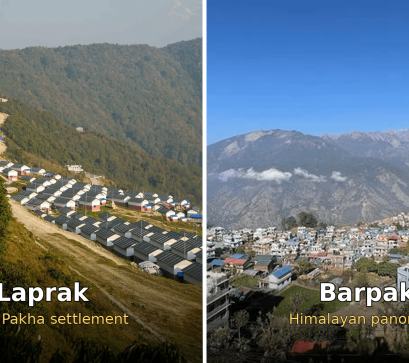
Perched at around 1,900 metres in northern Gorkha, Barpak is a scenic hilltop village known for its Gurkha heritage, traditional Ghale culture, and sweeping Himalayan views. Located about 41 kilometres from Gorkha Bazaar and northwest of Kathmandu, the village gained global recognition as the epicentral region of the 2015 Nepal Earthquake. Today, Barpak stands as a symbol of resilience and also serves as a gateway to trekking routes towards Laprak and the Manaslu Conservation Area.
Surrounded by rolling hills and framed by the majestic Himalayan range, Barpak offers travellers an immersive glimpse into rural mountain life shaped by tradition, military heritage, and community resilience.
Barpak is widely recognised as the home village of the late Victoria Cross recipient Captain Gaje Ghale, one of Nepal’s most celebrated Gurkha soldiers. The village’s association with Gurkha bravery has long contributed to its national and historical importance. According to village tourism records, generations of residents have served in the British and Indian Gurkha regiments, embedding military tradition deeply into local identity.
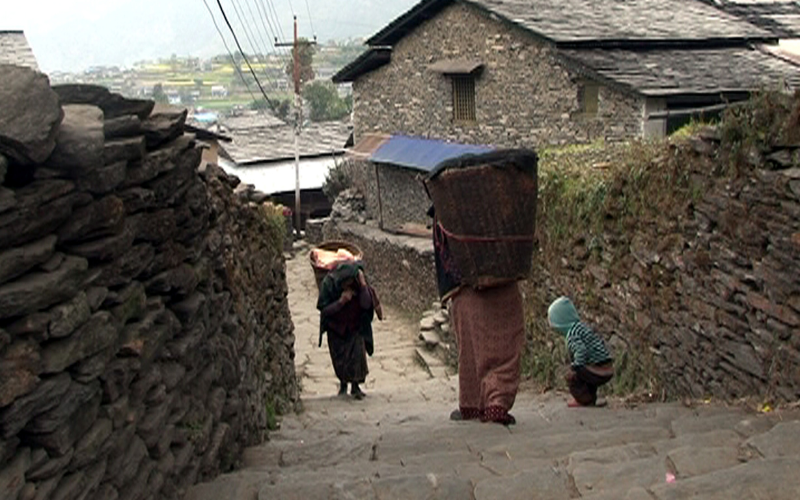
The village is predominantly inhabited by the Ghale and Gurung communities, whose traditions continue to shape everyday life. Traditional attire, communal lifestyles, local rituals, and warm hospitality remain central to Barpak’s cultural fabric.
Historically, Barpak also sat along ancient salt-trading routes linking Nepal and Tibet, giving the settlement both strategic and cultural significance in the Himalayan region.
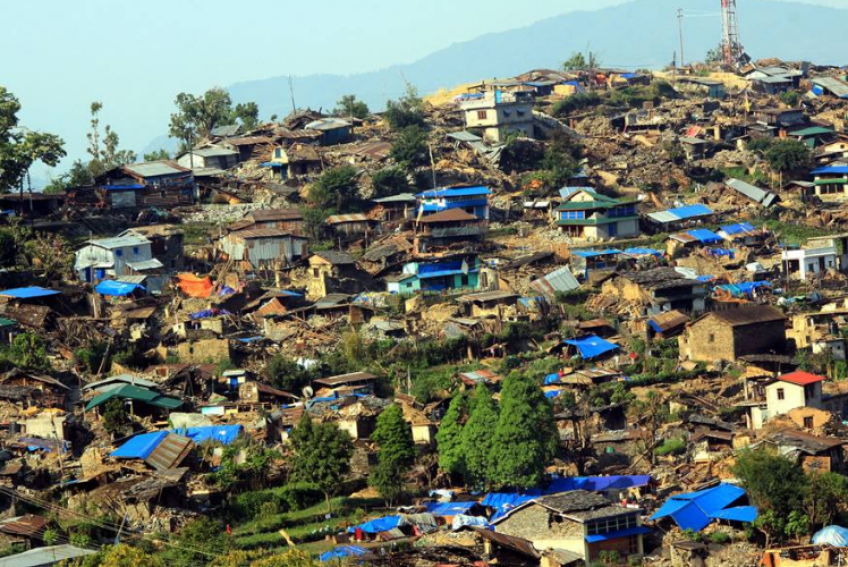
Barpak became globally known after the catastrophic 2015 Nepal Earthquake, as the village lay near the earthquake’s epicentre. The disaster caused immense destruction across the settlement, damaging thousands of homes and altering the architectural identity that once defined the village.
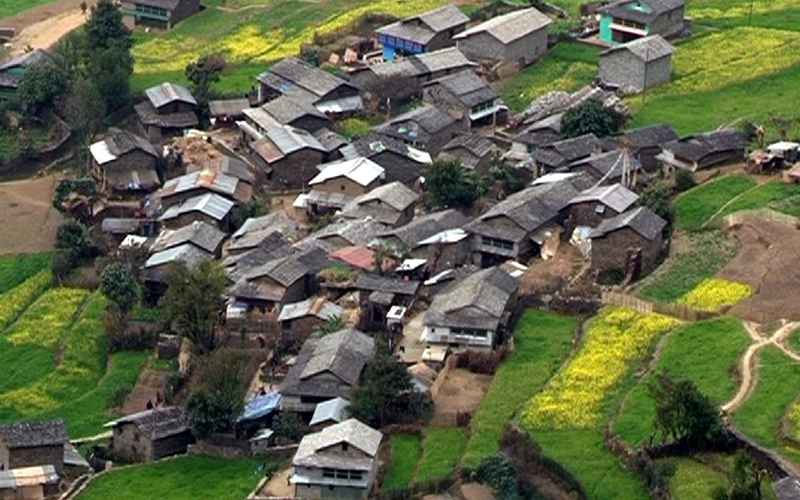
Before the earthquake, Barpak was renowned for its tightly clustered stone-roofed houses and slate-paved courtyards that blended harmoniously into the mountainside landscape. Several reports and tourism studies note that much of this traditional architecture was lost during reconstruction, replaced largely by reinforced concrete structures designed for seismic safety.
Yet despite the tragedy, Barpak stands today as a powerful symbol of resilience. Over the years, the community has rebuilt homes, schools, trails, and tourism infrastructure while continuing to preserve local traditions and cultural memory.
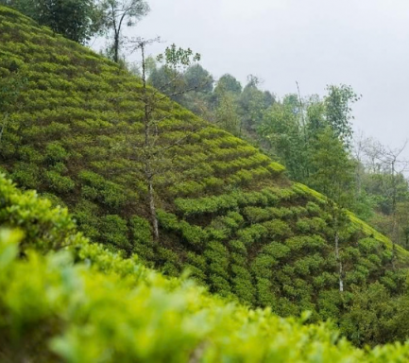
What makes Barpak particularly captivating is its dramatic setting. On clear days, travellers can witness panoramic views of the surrounding Himalayan landscape, including sections of the Manaslu region and neighbouring peaks. Terraced hillsides, grazing fields, and rhododendron forests add to the village’s visual appeal throughout the year.
Spring and autumn remain the best seasons to visit, offering crisp mountain visibility and comfortable trekking weather. The village also serves as an entry point to trekking routes connecting settlements such as Laprak and other parts of the Manaslu region.
Homestay tourism has gradually become an important part of the local economy, allowing visitors to experience authentic mountain hospitality, traditional food, and rural lifestyles firsthand.
Today, Barpak is more than a destination. It is a living narrative of cultural endurance, community rebuilding, and Himalayan identity. For travellers seeking meaningful journeys beyond mainstream tourist circuits, the village offers not just scenic beauty, but also a profound connection to Nepal’s history and resilience.
Whether one arrives for mountain views, cultural encounters, or historical reflection, Barpak leaves behind an experience that is deeply human and unmistakably Nepali.
Also Read