
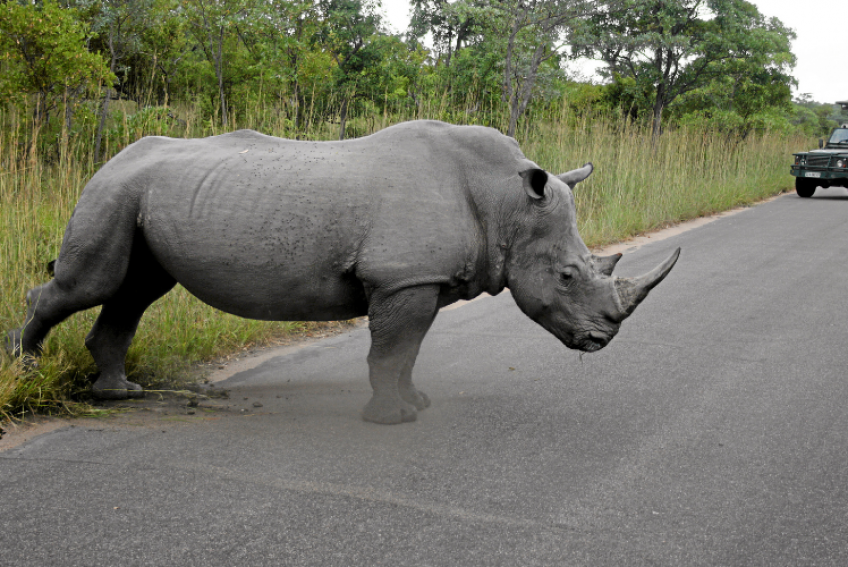
“In our rush to connect cities and villages, we have unknowingly disconnected the very ecosystems that sustain us.”
The Freedom of movement is a significant one. The complexity and mode of movement in the modern society has risen up. Humans have evolved mentally quite fast and as a result of that, the infrastructures and technologies have developed at an exponential rate. But the case is not the same for Wildlife. They are on the same trend of evolution as they always have been. But the world has not been the same for them for the last few centuries.
In Nepal, the total road length reached 36,132 kilometers (including black-topped, gravel, and earthen) by mid-March 2024 as per the Economic Survey presented by the then Finance Minister Bishnu Prasad Paudel in Parliament on May 29, 2024. That is quite an achievement, but only for the sapiens.
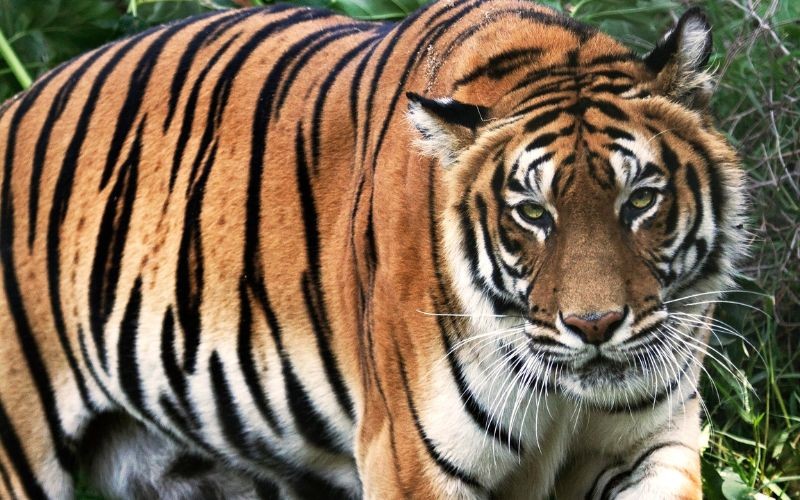
With almost 500 Wildlife Vehicle Collisions in the last decade along road segments traversing BaNP, the 550 sq km National Park—which has roughly 97 km of road—loses approximately 50 to 55 wildlife in WVC annually. Calculating to the whole of Nepal’s area the number of losses seems to be quite high. Especially the midhills which have gone through a fast paced black topping and concretization of roads pose similar threats to wildlife. What should have only been the life line of the economy and development of a nation is turning out also to be life reckoning for wildlife, with which we share the same earth. As per Department of National Park and Wildlife Conservation (DNPWC) 133 wild animals from nine national parks, one wildlife reserve area and one conservation area died in various road accidents in the fiscal 2016/17 alone. It shows that roads passing through such areas have posed a serious threat to wildlife. The actual death number is surely higher. A separate study conducted by Pushpa Rana Magar and her team along the Tikauli section of the East-West Highway, which passes through the Barandabhar Corridor Forest, recorded 33 wildlife fatalities due to vehicle collisions in 2019 and 2020. Among the species documented, the spotted deer was the most frequent victim (n = 11), followed by the garden lizard. Some of the species listed regionally and globally threatened including striped hyena, Royal Bengal Tiger, One-Horned Rhinoceros, Leopard Cat, Wild Dog (Dhole), Leopard have fallen victim to road accidents as well.
We need to understand the webbed nature of the relation of the organisms in the ecosystem if we are to understand the complexity. And we must also remember that we are also part of the same web where each thread represents structural and functional aspects of an ecosystem. The loss of a thread in the web might not seem significant. But it is sure to lead to the loss in strength of strings on the other end and slowly but gradually the web is sure to fall apart. The unit of the ecosystem is species and we as humans fail to understand that any biological structure is the result of the compilation of the multiple units. The alarming loss of biodiversity is already at its peak advanced by habitat fragmentation, degraded habitat quality, hunting-poaching, and multiple human induced actions. The web is already falling apart in various regions of the country and with poor design of the transportation infrastructure we are putting more strain on the rope. The web of life is ancient, intricate, and resilient but not invincible. Each road cut, each collision, each neglected underpass pulls at its threads.
There have been some initiatives in Nepal to tackle the problem. One of such projects is Wildlife Underpasses Built along Narayanghat - Mugling Road in Barandabhar Corridor Forest. Initially it had shown positive results with multiple animals recorded in camera traps crossing the segment of the road. The effectiveness of wildlife underpasses has been compromised by their misuse as dumping grounds, insufficient maintenance and monitoring, a lack of noise and light mitigation for sensitive species, and inadequate roadkill documentation to inform future design improvements. Countries in Europe are leading the way in the sector, Especially Netherlands with over 600 ecoducts and underpasses, including the world’s longest, the 800 meter Natuurbrug Zanderij Crailoo.
The collection of Nepal's Human Wildlife Vehicle Collision data nationwide is lacking. Institutions like DNPWC are responsible for the data collection in the protected areas of Nepal. While most of the research suggests that the majority of incidents occur outside of the protected areas, a proper system for management of the records is missing. The lack of nationwide data puts us at a disadvantage to examine the magnitude of the impact and plan accordingly for adaptation. Without a concerted effort to monitor, mitigate, and maintain, the same highways that fuel our economy will continue to silently erode Nepal’s extraordinary biodiversity.
A coordinated national strategy to reduce wildlife–vehicle collisions must rest on three pillars: unified data, science‑based infrastructure, and sustained accountability. The Department of National Parks and Wildlife Conservation and the Ministry of Transport should create a centralized, georeferenced collision database species, location, date, habitat with mandatory reporting. Then, infrastructure that works for both people and wildlife. Where studies show need, policymakers must mandate wildlife crossings like overpasses, underpasses, well‑designed culverts and fund their maintenance. Drivers can slow down in wildlife zones, especially at dawn and dusk, and report collisions. Citizens can report roadkill while students and researchers can study what works. Private institutions can fund awareness campaigns. NGOs can train engineers in road ecology and pilot low‑cost solutions like canopy bridges. And a technical working group of ecologists, engineers, and policy experts should regularly review data and adapt best practices to Nepal’s context.
The science is clear, the tools are available. What remains is collective action.
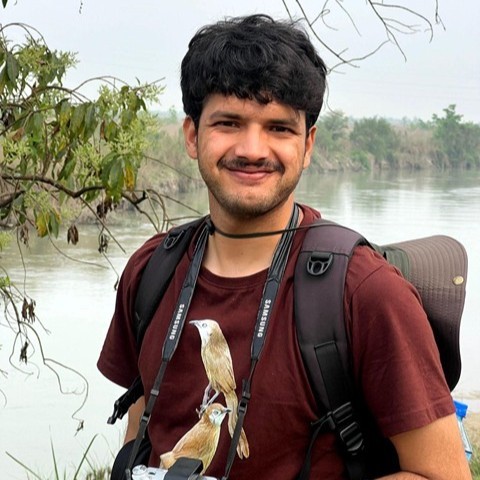
Amrit Neupane is an environmental science student with a strong interest in biodiversity conservation and natural resource management. He is currently interning with Friends of Nature, a youth-led NGO dedicated to environmental and biodiversity conservation. Previously, he worked in the field of sustainable urban mobility at Cycle City Network Nepal (CCNN), a non-profit non-governmental organization advocating for sustainable transportation to combat air pollution and greenhouse gas emissions while prioritizing public health. . In addition, he serves as a Startup Fellow at KGS Inc., a business management consulting and advisory firm.
Also Read
.jpg)