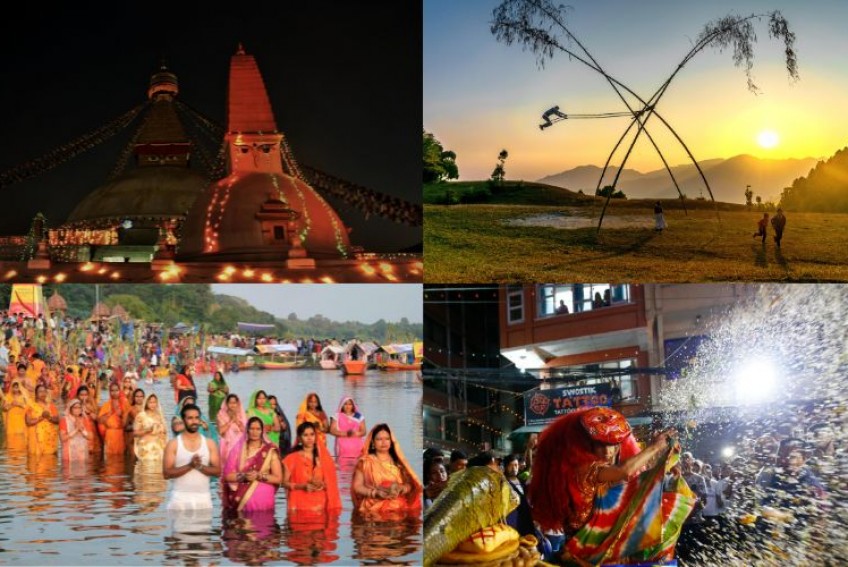
Have you ever wondered why there always seems to be a festival unfolding in Nepal? For travellers, it often feels less like coincidence and more like a delightful certainty; arrive at almost any time of the year, and you are likely to find yourself immersed in a celebration. Whether it’s vibrant processions, sacred rituals, or streets adorned with colour and light, festivals here are not occasional events but an ever-present rhythm of daily life. From the grandeur of Dashain to the luminous charm of Tihar, and from the spiritual serenity of Buddha Jayanti to the cultural pride of Indra Jatra, festivals are deeply embedded in everyday life. But why does Nepal celebrate so many festivals?
.jpg)
A Mosaic of Cultures and Ethnicities
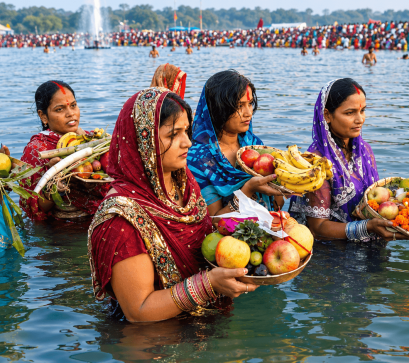
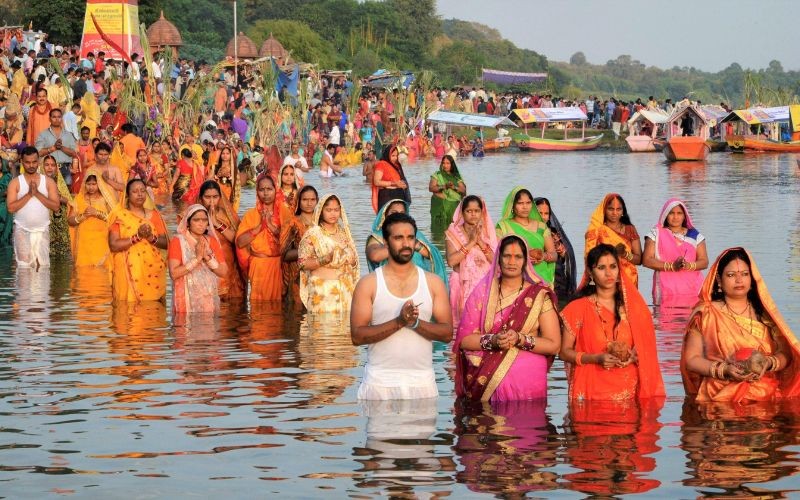
Nepal is home to over 120 ethnic groups and more than 120 languages. Each community carries its own traditions, deities, and seasonal celebrations. The Newar community alone observes numerous festivals throughout the year, many of which are unique to the Kathmandu Valley. Similarly, festivals such as Lhosar are celebrated by Himalayan communities like the Sherpas, Tamangs, and Gurungs, while the Terai region comes alive with the devotion of Chhath, particularly among the Madhesi communities.
This diversity naturally results in a rich and frequent festival calendar, where nearly every week holds cultural significance for someone, somewhere.
A Harmonious Blend of Religions
Nepal is a rare example of religious harmony, where Hinduism and Buddhism coexist seamlessly, alongside Kirat, Islam, Christianity, and indigenous belief systems. It is not uncommon for people to participate in festivals beyond their own faiths.
For instance, Hindus and Buddhists alike celebrate Buddha Jayanti, while many communities partake in Teej and Holi. This shared cultural participation amplifies the number and scale of celebrations across the country.
.jpg)
Agriculture and the Rhythm of Nature
Traditionally an agrarian society, Nepal’s festivals are closely tied to the agricultural cycle. Celebrations often mark planting, harvesting, and seasonal transitions.
Maghe Sankranti signals the end of winter and the beginning of longer days, while Janai Purnima coincides with monsoon rhythms and purification rituals. These observances reflect a deep respect for nature and the land, turning everyday survival into moments of gratitude and festivity.
Mythology, Legends, and Living Heritage
Many Nepali festivals are rooted in ancient myths and oral traditions passed down through generations. Indra Jatra, for instance, honours the rain god Indra and features masked dances and the chariot procession of the Living Goddess Kumari.
Such festivals are not merely symbolic, they are living performances of history, belief, and identity. They keep stories alive in a way that is both immersive and communal.
.jpg)
Community, Connection, and Celebration
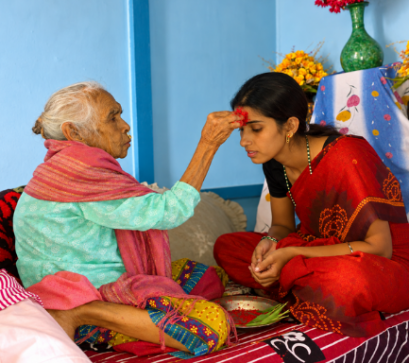
At its heart, the abundance of festivals in Nepal reflects a cultural emphasis on togetherness. Festivals are occasions to reunite with family, strengthen social bonds, and celebrate life’s rhythms.
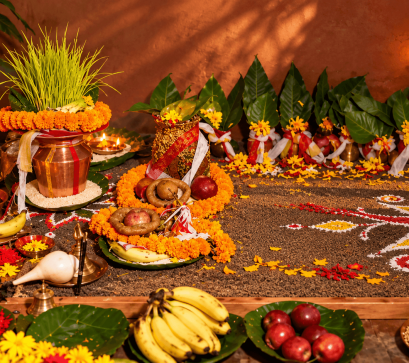
During Dashain, families gather from across the country to receive blessings, while Tihar transforms homes and streets into radiant displays of light and devotion. These moments foster a sense of belonging that transcends geography and generation.
A Way of Life, Not Just Celebration
In Nepal, festivals are not confined to special occasions, they are a way of life. They punctuate the year with meaning, offering moments of joy, reflection, and cultural continuity.
For travellers, this means there is almost always a celebration to witness, whether in bustling city squares or quiet mountain villages. For locals, it is a reminder that life, in all its complexities, is best embraced with colour, community, and a spirit of festivity.
Also Read